
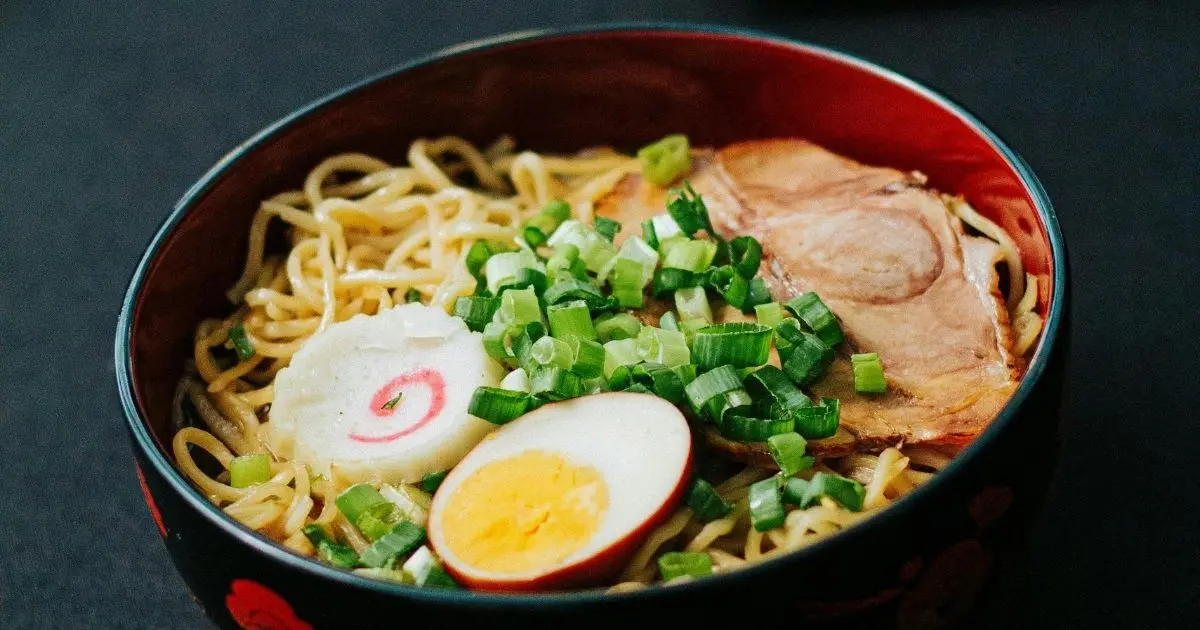
The Costco Ramen Swap: A Better Way to Build a Healthier Ramen Bowl
If instant ramen is a regular Costco pickup, it may be worth taking a closer look at what’s actually in the package. Traditional instant noodles are convenient and inexpensive, but many come with highly processed seasoning packets, refined noodles, sodium, added sugars, and food additives.
The good news is that you can keep the noodles, warm broth, and comfort of a ramen bowl while having much more control over the ingredients. Here’s what you need to know.
Why Take a Closer Look at Instant Ramen?
The concern with conventional instant ramen isn’t that noodles are inherently unhealthy. It’s the overall formulation of many products, particularly the combination of refined noodles and highly processed seasoning packets.
Ingredients such as TBHQ and maltodextrin have received attention in food research. TBHQ is a preservative used to protect foods from oxidation, and laboratory research has found that it can affect immune-cell signaling under experimental conditions. However, these findings do not mean that eating a food containing TBHQ automatically causes immune dysfunction in humans.
Maltodextrin is another common food additive used for texture, bulking, and formulation. Research suggests that maltodextrin can influence gut physiology and the microbiome, but the effects vary depending on the type, dose, duration, and individual context. Some forms of maltodextrin, such as resistant maltodextrin, can behave more like fermentable fiber.
For a non-toxic kitchen, the takeaway is to choose simpler formulations when convenient alternatives are available.
The Swap: Lotus Foods Organic Millet & Brown Rice Ramen
Lotus Foods Organic Millet & Brown Rice Ramen is made with organic brown rice and organic millet. The plain noodle cakes don’t rely on a long list of flavor enhancers or preservatives, and they are certified gluten-free, organic, Non-GMO Project Verified, and kosher.
The biggest advantage may be the control it gives you. Instead of being tied to a seasoning packet, you decide what goes into the broth, how much salt you use, which protein you add, and how many vegetables make it into the bowl.
Why Brown Rice and Millet Make a Good Ramen Base
Brown rice and millet provide a different nutritional profile from the refined wheat noodles commonly used in conventional instant ramen. Lotus Foods describes its millet and brown rice ramen as a source of fiber and protein, while millet naturally provides carbohydrates and minerals such as magnesium. Brown rice also retains more of the grain’s outer layers than white rice.
This doesn’t make the noodles a “superfood.” The real benefit is simplicity. Starting with a short ingredient list gives you more control over what the finished meal contains.
How to Turn Ramen Into a Real Meal
A bowl of noodles alone is primarily a carbohydrate-based meal. Add protein, vegetables, and a flavorful broth, and you have a much more complete dish.
A simple ramen bowl can include:
- Organic millet and brown rice ramen
- Organic chicken
- Chicken, vegetable, or mushroom broth
- Garlic and fresh ginger
- Mushrooms
- Carrots
- Broccoli
- Spinach or another leafy green
- Green onions
- Fresh herbs
- Black pepper
- A small amount of tamari or miso
- Optional sesame seeds
The basic formula is simple: noodles + protein + vegetables + broth + flavor.
You don’t need every ingredient, and you don’t need a complicated recipe. Use whatever is already in your refrigerator.
Add Protein
Chicken is an easy way to turn ramen into a more substantial meal. Cook it separately with simple seasonings such as garlic, ginger, black pepper, or paprika, then slice or shred it into the finished bowl.
Leftover roasted chicken works especially well. The same approach can also work with eggs, tofu, shrimp, or another protein you enjoy.
Load the Bowl With Vegetables
Vegetables are one of the easiest ways to upgrade ramen. Mushrooms, carrots, broccoli, spinach, bok choy, cabbage, zucchini, snap peas, and green onions all work well.
Fresh, frozen, or leftover vegetables can go straight into the broth. They add fiber, vitamins, minerals, and plant compounds that aren’t found in a packet of noodles and seasoning alone.
Build Your Own Broth
The seasoning packet is another easy part of instant ramen to replace.
Start with a quality chicken, vegetable, or mushroom broth. Add garlic, ginger, herbs, spices, miso, tamari, sesame oil, chili flakes, or fresh cilantro depending on the flavor you’re after.
You don’t need to make broth from scratch. A well-prepared broth combined with recognizable ingredients can turn a basic bowl of noodles into a satisfying meal without making dinner a major project.
Ramen Can Be a Balanced Meal
Ramen itself isn’t the problem. The word “ramen” can refer to everything from a highly processed cup of noodles to a homemade bowl with noodles, broth, protein, vegetables, and toppings.
When you choose the ingredients yourself, the bowl can provide carbohydrates for energy, protein for satiety and tissue maintenance, vegetables for fiber and micronutrients, and fluids from the broth.
And this isn’t just a meal for kids. Adults can customize their bowls, too. One person can add extra chicken, another can add more vegetables, and someone else can choose eggs, tofu, mushrooms, or chili. One basic meal can easily accommodate different preferences.
How to Make a Simple Non-Toxic Ramen Bowl
Cook the Lotus Foods noodles according to the package directions. While they cook, warm your broth with garlic, ginger, and seasonings.
Add vegetables that need more cooking time first, such as carrots, broccoli, or mushrooms. Add leafy greens toward the end, then combine the cooked noodles and protein with the broth.
Finish with green onions, fresh herbs, sesame seeds, or another topping you enjoy.
The result is a ramen bowl built around a handful of ingredients you can actually recognize.
The Simple Ramen Formula
Once you know the formula, you don’t really need a recipe.
- Choose your noodles: Organic brown rice and millet ramen.
- Choose your protein: Chicken, eggs, tofu, shrimp, or another protein.
- Choose your vegetables: Fresh, frozen, or whatever is already in the refrigerator.
- Choose your broth: Chicken, vegetable, mushroom, or another quality broth.
- Add flavor: Garlic, ginger, herbs, spices, miso, tamari, sesame, or chili.
- Finish the bowl: Green onions, fresh herbs, seeds, or additional vegetables.
This keeps ramen fast and convenient while giving you considerably more control over what’s going into the bowl.
What Makes This a Better Non-Toxic Swap?
Replacing a highly processed instant ramen product with noodles made from two organic grains is a straightforward way to live a non-toxic lifestyle. You’re not giving up convenience or ramen. You’re simply starting with a simpler base and choosing the rest of the ingredients yourself.
The research surrounding ingredients such as TBHQ and maltodextrin deserves nuance. Experimental research has identified biological effects of TBHQ in laboratory immune cell models, while systematic review evidence suggests that maltodextrin can influence gut physiology and microbiome measures. Neither supports the blanket claim that normal consumption automatically causes immune dysfunction or intestinal damage in humans.
The more useful approach is simple: read ingredient labels, choose simpler foods when practical, and build meals around ingredients you recognize.
Ramen doesn’t have to be the emergency meal you reach for when there’s nothing else in the house. With better noodles, quality protein, vegetables, and flavorful broth, it can become a genuinely satisfying meal for the whole household.
Frequently Asked Questions
Is ramen healthy? Ramen can be part of a healthy meal, but its nutritional quality depends on the ingredients. A bowl made with whole-grain noodles, protein, vegetables, and broth can be substantially more balanced than a highly processed instant noodle product.
What is a healthier alternative to Top Ramen? One option is Lotus Foods Organic Millet & Brown Rice Ramen. The plain noodles are made with organic brown rice and organic millet and are certified gluten-free, organic, Non-GMO Project Verified, and kosher.
Is Lotus Foods ramen gluten-free? Yes. Lotus Foods states that its Millet & Brown Rice Ramen is certified gluten-free.
What can I add to ramen to make it healthier? Add protein such as chicken, eggs, tofu, or shrimp, along with vegetables such as mushrooms, broccoli, carrots, spinach, cabbage, or bok choy. A quality broth, herbs, and spices can add flavor without relying entirely on a processed seasoning packet.
Is TBHQ dangerous? TBHQ is a food preservative that has been studied for its biological effects, including its effects on immune cell signaling in laboratory research.
Does maltodextrin damage the gut? Research indicates that maltodextrin can influence gut microbiota and other physiological measures, but effects vary depending on factors such as type, dose, and context.
References:
- Khezerlou, A., Akhlaghi, A. P., Alizadeh, A. M., Dehghan, P., & Maleki, P. (2022). Alarming impact of the excessive use of tert-butylhydroquinone in food products: A narrative review. Toxicology Reports, 9, 1066–1075.https://doi.org/10.1016/j.toxrep.2022.04.027
- Arnold, A. R., & Chassaing, B. (2019). Maltodextrin, modern stressor of the intestinal environment. Cellular and Molecular Gastroenterology and Hepatology, 7(2), 475–476.https://doi.org/10.1016/j.jcmgh.2018.09.014
- Fuhrman, J. (2018). The hidden dangers of fast and processed food. American Journal of Lifestyle Medicine, 12(5), 375–381.https://doi.org/10.1177/1559827618766483
- Institute of Medicine (US) Committee on Strategies to Reduce Sodium Intake; Henney, J. E., Taylor, C. L., & Boon, C. S. (Eds.). (2010). Strategies to reduce sodium intake in the United States (Chapter 4: Preservation and physical property roles of sodium in foods). National Academies Press (US).https://www.ncbi.nlm.nih.gov/books/NBK50952/
- Vitale M, Costabile G, Testa R, D’Abbronzo G, Nettore IC, Macchia PE, Giacco R. Ultra-Processed Foods and Human Health: A Systematic Review and Meta-Analysis of Prospective Cohort Studies. Advances in Nutrition. 2024;15(1):100121. doi: 10.1016/j.advnut.2023.09.009. PMID: 38245358; PMCID: PMC10831891.
Keep updated on latest posts
-

Best Coffee Creamers at Target: Cleanest Options
If you are buying coffee creamer at Target, the ingredient list matters more than the pretty packaging on the front of the bottle. I went…
-
3 Ways I Use Thyme for Coughs and Colds Every Fall
When fall rolls around, and coughs, congestion, and sore throats start making their way through the house, I reach for an herb that has been…
-
Can Rosemary Aroma Improve Memory and Focus?
Rosemary is usually thought of as something you throw into a pan with potatoes, chicken, or vegetables. But this familiar herb may have another interesting…
-

Homemade Chicken Feet Bone Broth for Dogs
A collagen-rich, joint-supporting bone broth made with two ingredients — safe, simple, and something your dog will genuinely go crazy for Chicken feet bone broth…
One swap a week
Every week, one small change worth making, why it matters, and where to get it. Two minutes, then back to your life.