
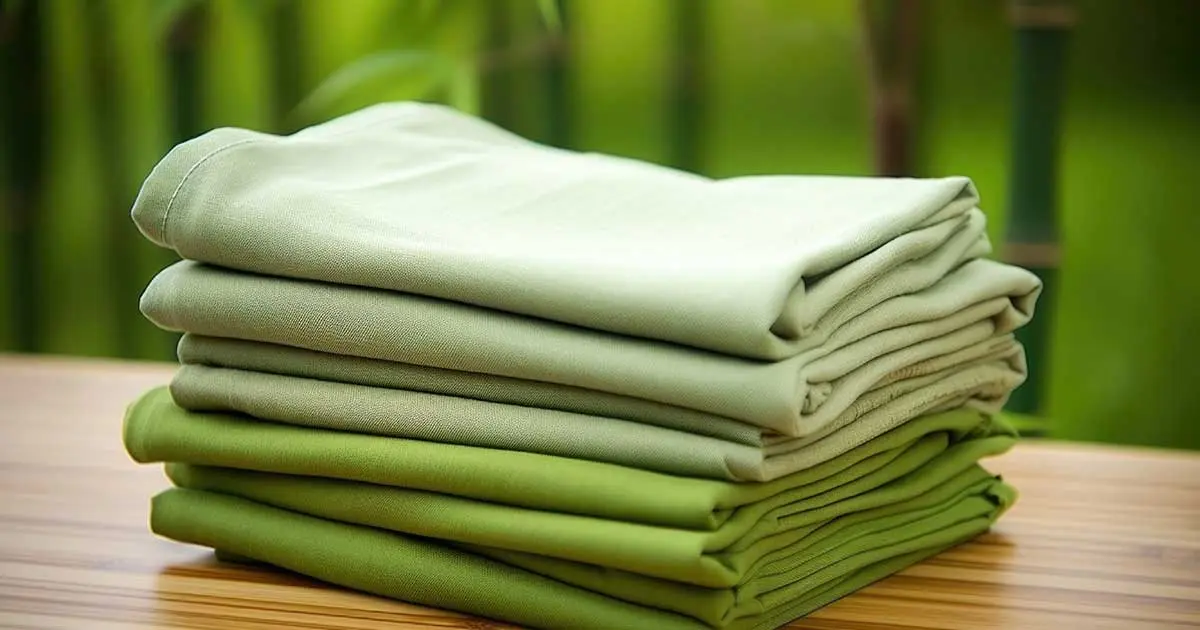
Bamboo Fabric: A Guide to Its Eco-Friendly Claims
Hey there! Today, let’s chat about bamboo fabric. We’ve all heard about its eco-credentials, right? Fast-growing, low on water needs, no nasty pesticides – it’s like the superhero of the sustainable fashion world. But, as I’ve learned, the story isn’t as straightforward as it seems.
The Bamboo Myth
Bamboo’s got a lot going for it. It grows like a weed, matures quickly, and is kind to the earth in its raw form. It’s like that kid in school who’s good at everything without trying. That’s why it’s been the go-to for those of us looking to make greener choices. But here’s the twist: turning bamboo into fabric isn’t as green as you’d think.[1]
How Bamboo Becomes Fabric
Picture this: bamboo, a tough plant, needs to be softened up to become the cozy fabric we love. This transformation is a bit of a chemical cocktail party – not the fun kind. We’re talking about strong solvents like carbon disulfide and sodium hydroxide.[2] Not only are these chemicals a nightmare for the environment, but they’re also hazardous for the workers handling them.
The final product, usually called bamboo viscose or rayon, is a far cry from its eco-friendly roots. The waste from this production can’t be fully recycled, leading to pollution.[3] Our green hero has a dark side.
The Real Impact
The impact of bamboo fabric is two-fold: it’s not great for the environment, and it’s risky for people. The chemical process contributes to pollution,[3] and the workers face health hazards. There’s evidence linking these chemicals to serious health issues like neurological damage and even cancer.[4] Plus, the communities near these factories aren’t safe from these risks either.[4]
Even beyond production, the environmental cost of bamboo fabric continues. The finishing stages – bleaching, dyeing, treating – all have their own environmental footprints.[5]
What Can We Do?
As consumers, it’s on us to stay informed. Be wary of labels. Products marked as Viscose or Rayon have likely gone through the chemical-heavy process we discussed. Instead, watch for “Bamboo Linen” or “Lyocell Bamboo,” which are more planet-friendly.
Be mindful of how you use bamboo products, especially those that touch your skin. Advocate for transparency in production and support brands that are truly eco-conscious and care about worker safety.
Alternatives to Bamboo Fabric
Given these concerns, let’s explore other sustainable textiles:
- Organic Cotton: It’s soft, breathable, and grown without harmful chemicals.
- Hemp: Super sustainable, needs little water, no pesticides, and gets softer over time.
- Linen: Made from flax plants, it’s traditional and biodegradable, with fewer chemicals involved.
- Tencel (Lyocell): A soft and sustainable option made from wood pulp in an eco-friendlier way.
Conclusion
The story of bamboo fabric shows the complexities of sustainable fashion. While bamboo starts off as an eco-friendly material, its journey to becoming fabric is filled with environmental and health concerns. As consumers, our power lies in making informed choices and advocating for transparent, responsible production. By understanding the impact of our choices and supporting ethical practices, we contribute to a healthier, more sustainable fashion industry.
Stay curious, question sustainability claims, and let’s make choices that truly make a difference.
References:
- FTC Business Alert – Federal Trade Commission,www.ftc.gov.
- Campo, Pierre et al. “Chemical exposure and hearing loss.” Disease-a-month : DM vol. 59,4 (2013).
- Cho, Renee “Why Fashion Needs to Be More Sustainable.” State of the Planet, 16 Dec. 2021.
- “Fake Silk. The Lethal History of Viscose Rayon” Yale University Press, 2 June 2023.
- Parisi, Maria Laura, et al. “Environmental Impact Assessment of an Eco-Efficient Production for Coloured Textiles.” Journal of Cleaner Production, vol. 108, 2015.
Keep updated on latest posts
-

Best Coffee Creamers at Target: Cleanest Options
If you are buying coffee creamer at Target, the ingredient list matters more than the pretty packaging on the front of the bottle. I went…
-
3 Ways I Use Thyme for Coughs and Colds Every Fall
When fall rolls around, and coughs, congestion, and sore throats start making their way through the house, I reach for an herb that has been…
-
Can Rosemary Aroma Improve Memory and Focus?
Rosemary is usually thought of as something you throw into a pan with potatoes, chicken, or vegetables. But this familiar herb may have another interesting…
-

Homemade Chicken Feet Bone Broth for Dogs
A collagen-rich, joint-supporting bone broth made with two ingredients — safe, simple, and something your dog will genuinely go crazy for Chicken feet bone broth…
One swap a week
Every week, one small change worth making, why it matters, and where to get it. Two minutes, then back to your life.