
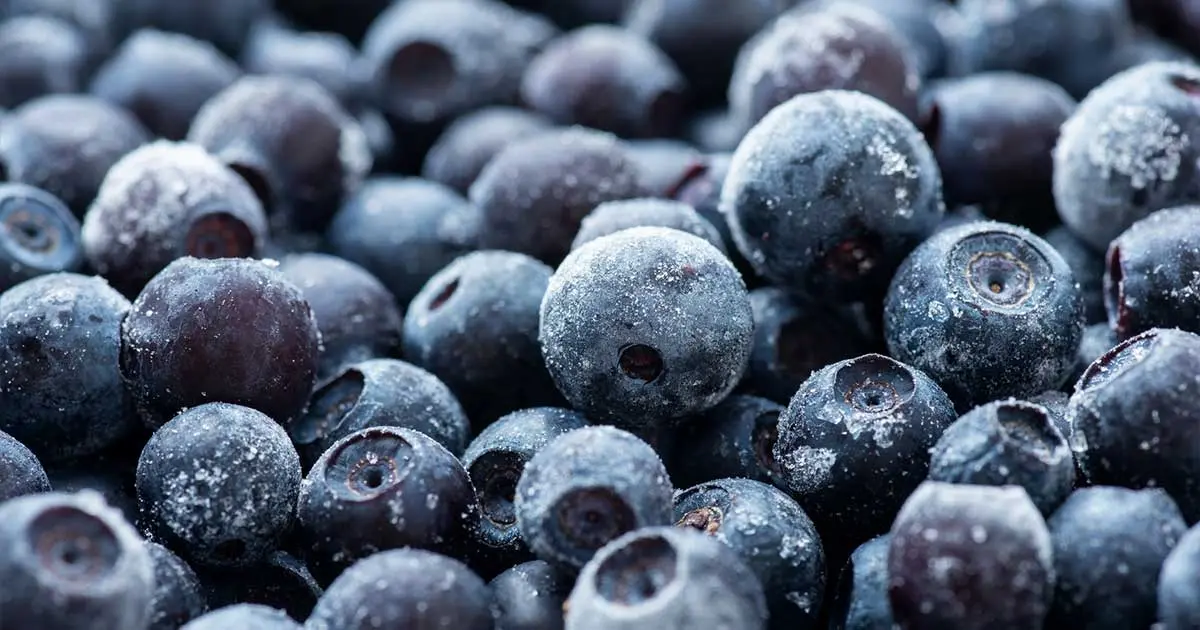
Why Frozen Blueberries May Be the Healthiest Choice
Frozen blueberries have long been celebrated as a superfood, packed with vitamins, minerals, and antioxidants that support overall health. Whether blended into smoothies, sprinkled over yogurt, or enjoyed by the handful, they are a go-to fruit for anyone looking to boost their nutrition. However, many people don’t realize that how you eat blueberries can impact their health benefits.
It turns out that frozen blueberries may be an even better choice than fresh or dried blueberries when it comes to preserving their potent antioxidants. Studies have found that freezing can actually increase the bioavailability of one of blueberries’ most powerful compounds—anthocyanins—which provide a range of brain and heart benefits.
The Power of Anthocyanins
Anthocyanins are a type of flavonoid responsible for the deep blue, purple, and red colors found in many fruits and vegetables, including blueberries. These antioxidants have been extensively studied for their ability to protect cells from oxidative stress, reduce inflammation, and support cognitive function.[1]
Research suggests that anthocyanins may offer several health benefits, including:
- Brain protection – Anthocyanins have been linked to a reduced risk of Alzheimer’s disease and age-related cognitive decline by protecting brain cells from oxidative damage. They may also help improve memory and learning by increasing blood flow to the brain.[2]
- Heart health – Studies indicate that anthocyanins can lower blood pressure, improve circulation, and reduce the risk of cardiovascular disease. They may also support healthy cholesterol levels by preventing LDL oxidation, a key factor in heart disease.[3]
- Anti-inflammatory effects – Chronic inflammation is at the root of many health issues, from autoimmune conditions to metabolic disorders. Anthocyanins have been shown to help regulate inflammatory pathways, reducing the risk of chronic disease.[4]
While blueberries are already rich in anthocyanins, how they are processed and stored can affect how much of this antioxidant remains available to your body.
Why Frozen Blueberries Are a Better Choice
Many people assume that fresh blueberries are the best option, but a recent study found that frozen blueberries actually retain higher levels of anthocyanins compared to fresh or dried blueberries.[5] Over time, fresh blueberries lose some of their antioxidant power as they age. Meanwhile, the process of drying blueberries can reduce anthocyanin content by up to 43%.
Freezing blueberries helps preserve anthocyanins in several key ways:
- Protects against oxidation – Fresh blueberries naturally degrade over time as they are exposed to oxygen. Freezing locks in their antioxidants, preventing premature loss of nutrients.
- Breaks down cell walls – The freezing process causes ice crystals to form within the blueberry, breaking down the cell structure and making anthocyanins more bioavailable—meaning your body can absorb them more effectively.
- Extends shelf life – Unlike fresh blueberries, which can spoil within a week, frozen blueberries can last for months without losing their nutrient content. This makes them a convenient and cost-effective way to get a steady supply of antioxidants.
The Bioavailability Factor
One of the biggest advantages of frozen blueberries is that they may increase the bioavailability of anthocyanins. Bioavailability refers to how easily your body can absorb and utilize a nutrient. If a food is rich in a particular antioxidant but your body struggles to absorb it, you won’t experience its full benefits.
Research has shown that freezing helps anthocyanins become more accessible to the body, likely because the freezing process softens the cellular structure of the blueberry. This allows the beneficial compounds to be more easily digested and absorbed into the bloodstream.[6]
In contrast, drying blueberries exposes them to heat and air, which degrades anthocyanins and makes them less effective. This is why dried blueberries, while still nutritious, may not provide the same level of brain-boosting and heart-protecting benefits as frozen ones.
Should You Always Eat Blueberries Frozen?
While frozen blueberries provide a significant antioxidant advantage, fresh blueberries still offer plenty of benefits. If you prefer fresh, aim to eat them soon after purchase to get the highest levels of anthocyanins before they start to degrade. If you plan to store blueberries for more than a few days, freezing is the best option.
You can also mix frozen and fresh blueberries in your diet to get the best of both worlds. For example, adding frozen blueberries to smoothies, oatmeal, or yogurt can provide a nutrient boost while maintaining convenience. Meanwhile, fresh blueberries can still be a great meal snack or ingredient.
Final Thoughts
If you’ve been eating blueberries fresh or dried, you may want to reconsider how you enjoy this powerful superfood. Freezing blueberries helps preserve and even enhance the bioavailability of anthocyanins, one of the key antioxidants responsible for their brain and heart benefits.
Compared to fresh blueberries, frozen ones offer:
- Better preservation of antioxidants
- Increased bioavailability of anthocyanins
- Longer shelf life without nutrient loss
- A cost-effective way to enjoy blueberries year-round
Next time you’re looking for a healthy snack, consider reaching for frozen blueberries instead. Your brain, heart, and overall health will thank you.
References:
- Khoo, Hock Eng, et al. “Anthocyanidins and Anthocyanins: Colored Pigments as Food, Pharmaceutical Ingredients, and the Potential Health Benefits.” Food & Nutrition Research, vol. 61, no. 1, Aug. 2017, p. 1361779.
- Afzal, Mohammad, et al. “Anthocyanins Potentially Contribute to Defense against Alzheimer’s Disease.” Molecules, vol. 24, no. 23, Nov. 2019, p. 4255.
- Wallace, Taylor C. “Anthocyanins in Cardiovascular Disease1.” Advances in Nutrition, vol. 2, no. 1, Jan. 2011, pp. 1–7.
- Kozłowska, Aleksandra, and Tomasz Dzierżanowski. “Targeting Inflammation by Anthocyanins as the Novel Therapeutic Potential for Chronic Diseases: An Update.” Molecules, vol. 26, no. 14, July 2021, p. 4380.
- Lohachoompol, Virachnee, et al. “The Change of Total Anthocyanins in Blueberries and Their Antioxidant Effect After Drying and Freezing.” Journal of Biomedicine and Biotechnology, vol. 2004, no. 5, Dec. 2004, pp. 248–52.
- Kalt, Wilhelmina, et al. “Recent Research on the Health Benefits of Blueberries and Their Anthocyanins.” Advances in Nutrition, vol. 11, no. 2, Mar. 2020, pp. 224–36.
Keep updated on latest posts
-

3 Kids’ Clothing Types I’d Think Twice About at Target
Kids’ clothing seems simple until you start looking at what actually goes into making a garment perform a certain way. A T-shirt can be designed…
-
The Cream Cheese Ingredient You May Want to Rethink
Cream cheese seems like one of those foods that should be simple. Milk, cream, salt, maybe a culture, and that’s about it. But flip over…
-
Could Choosing Different Fruits and Vegetables Support Fertility?
When you’re trying to improve fertility, the conversation usually turns to hormones, supplements, sleep, stress, exercise, alcohol, and overall diet. There’s another piece worth considering,…
-
Ricotta Raspberry Toast: An Easy 5-Minute Breakfast
Some mornings you want something that feels a little special without any actual effort. This is that breakfast. Creamy ricotta, sweet-tart raspberries, and a scatter…
One swap a week
Every week, one small change worth making, why it matters, and where to get it. Two minutes, then back to your life.