
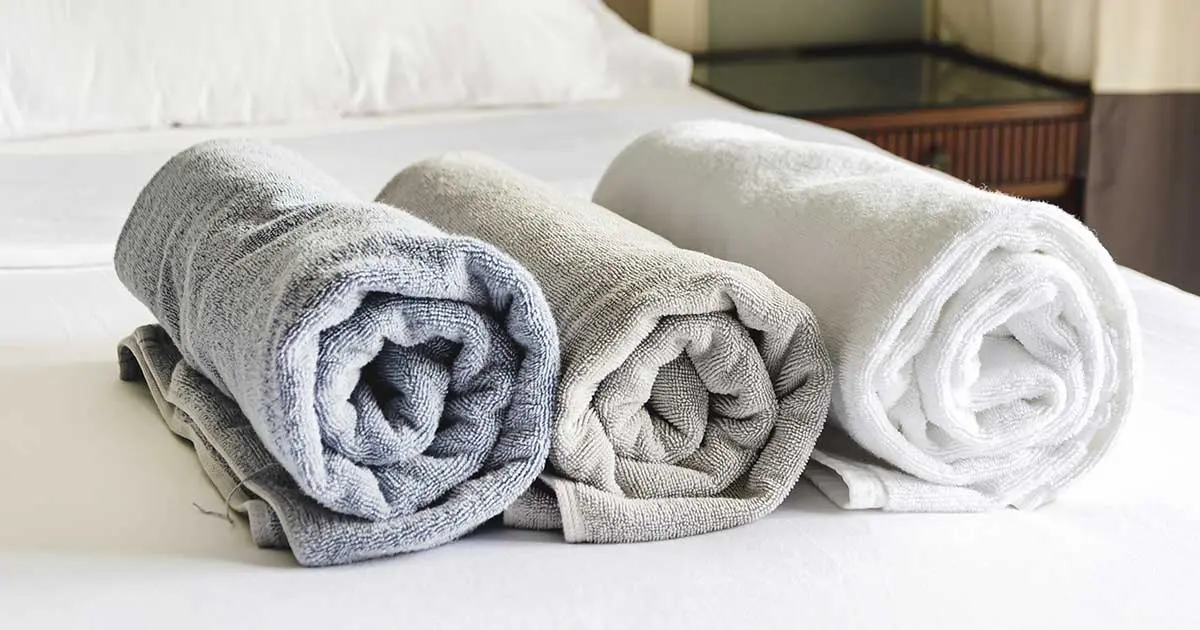
Are Your Bath Towels Hiding Harmful Bacteria?
Bath towels are essential daily, but did you know they could hide harmful bacteria like E. coli and coliform? Even more alarming, towels kept in humid areas can harbor bacteria such as MRSA, potentially leading to serious infections. It’s time to rethink your bath towel-washing routine to protect your health.
The Hidden Dangers in Your Towels
Using a bath towel collects dead skin cells, sweat, and moisture from your body, creating a perfect breeding ground for bacteria. If your towels are not washed frequently enough, these bacteria can multiply rapidly, risking your health. Among the most common bacteria found on towels are E. coli and coliform, known to cause gastrointestinal issues and other infections.[1] In humid environments, bacteria like MRSA can thrive, leading to even more serious health concerns.
How Often Should You Wash Your Towels?
To prevent the spread of harmful bacteria, it’s crucial to wash your bath towels regularly. Microbiologists recommend washing bath towels at least every three days, or after 3-5 uses. This frequency helps minimize the risk of spreading bacteria and keeps your towels fresh and clean. By following this advice, you can take a proactive step in maintaining a healthy home environment.
When it comes to kitchen towels, the rules are even stricter. Microbiologists suggest washing kitchen towels daily, as they are often exposed to raw food and other contaminants that can quickly lead to the spread of bacteria and disease.
Tips for Keeping Towels Fresh and Clean
To ensure your towels stay non-toxic and bacteria-free, here are some practical tips:
- Sanitize with Vinegar or Bleach: Regularly wash your towels with a cup of vinegar or a small amount of bleach to kill bacteria. Both vinegar and bleach are effective at eliminating germs and keeping your towels clean.
- Dry Towels Outside the Bathroom: Hang your towels in a well-ventilated area outside the bathroom to allow them to dry faster. This reduces the chance for bacteria to grow, as bacteria thrive in moist environments.
- Use a Towel Drying Rack in Humid Areas: If you live in a humid climate, consider using a towel drying rack. This will help your towels dry more quickly and reduce the likelihood of bacteria multiplying on the fabric.
Conclusion
Your bath towels might seem harmless, but they can harbor dangerous bacteria if not cared for properly. By washing your bath towels every three days and your kitchen towels daily, you can significantly reduce the risk of spreading harmful bacteria in your home. Also, proper drying techniques and sanitizing methods will help keep your towels fresh, clean, and non-toxic. Make these simple changes to your routine and enjoy peace of mind knowing your towels are safe for you and your family.
References:
- Mueller, Matthew, and Christopher R. Tainter. “Escherichia Coli Infection.” StatPearls, StatPearls Publishing, 2024. PubMed, http://www.ncbi.nlm.nih.gov/books/NBK564298/.
Keep updated on latest posts
-

3 Kids’ Clothing Types I’d Think Twice About at Target
Kids’ clothing seems simple until you start looking at what actually goes into making a garment perform a certain way. A T-shirt can be designed…
-

The Cream Cheese Ingredient You May Want to Rethink
Cream cheese seems like one of those foods that should be simple. Milk, cream, salt, maybe a culture, and that’s about it. But flip over…
-

Could Choosing Different Fruits and Vegetables Support Fertility?
When you’re trying to improve fertility, the conversation usually turns to hormones, supplements, sleep, stress, exercise, alcohol, and overall diet. There’s another piece worth considering,…
-

Ricotta Raspberry Toast: An Easy 5-Minute Breakfast
Some mornings you want something that feels a little special without any actual effort. This is that breakfast. Creamy ricotta, sweet-tart raspberries, and a scatter…
One swap a week
Every week, one small change worth making, why it matters, and where to get it. Two minutes, then back to your life.