
Are Your LED Lights Secretly Draining You?
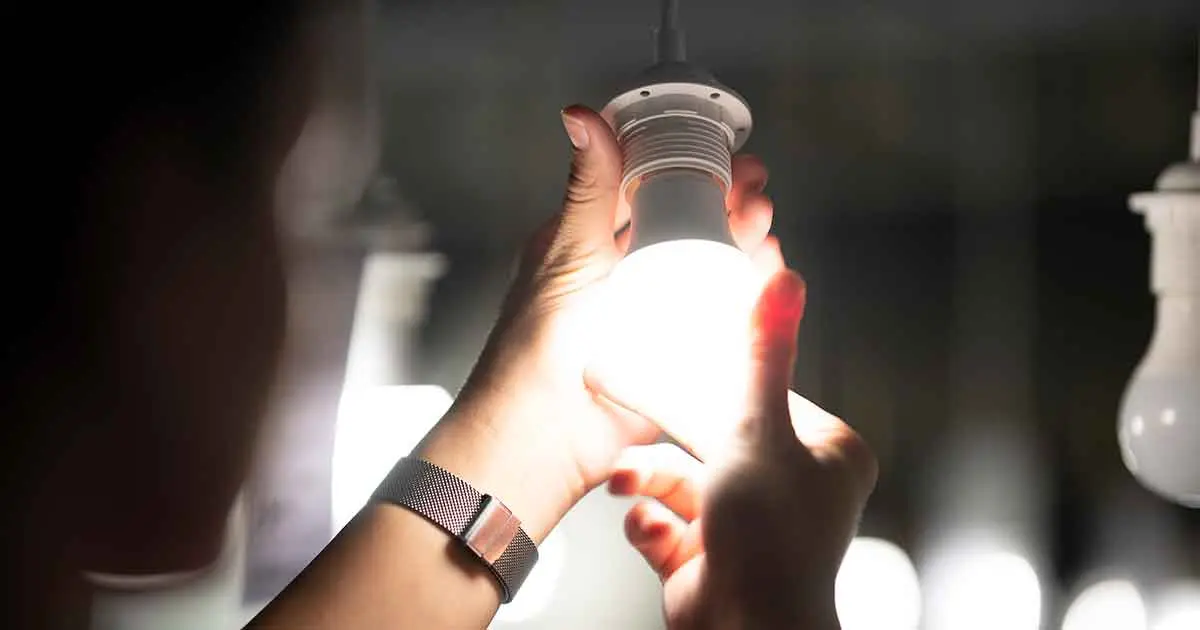
LED lights are everywhere—in our homes, offices, and kids’ classrooms. They’ve become the default choice for lighting and are sold to us as efficient and eco-friendly. But behind that bright, bluish glow lies a hidden cost to your health. We’re talking about neurological stress, hormone disruption, and long-term cognitive fatigue. These aren’t just buzzwords—they’re real effects of constant exposure to artificial light that’s out of sync with how our bodies are wired to function. If you’ve been feeling mentally foggy, wired at night, or just off in a way you can’t explain, your lighting might be part of the problem. Let’s break down what’s going on—and what safer alternatives you can use instead.
The Hidden Flicker Problem with LEDs
Let’s start with the science. LED lights typically flicker around 120 times per second—an invisible frequency, but very much detected by your brain and nervous system. Your eyes aren’t seeing it as a strobe, but your visual and neurological systems are working overtime to process and stabilize what feels (internally) like a constant, low-level disturbance.
Over time, this flicker effect can contribute to a range of symptoms:
– Eye strain and visual fatigue
– Headaches and difficulty concentrating
– Cognitive sluggishness or “brain fog”
– Adrenal fatigue due to constant sensory stress
– Disrupted sleep patterns, especially when exposed at night
You might be thinking: I’m not epileptic, so why should I care about flickering light? But this isn’t about seizures—this is about chronic, sub-perceptual stress on your nervous system. And for those of us trying to optimize energy, focus, and recovery (especially in a modern world filled with digital stimulation), every input matters.
How LED Light Affects Sleep and Hormones
Beyond flicker, there’s another major problem with standard LED bulbs: blue light emission. LEDs are often heavily weighted in the blue spectrum, which stimulates the brain and is known to suppress melatonin production, a hormone essential for deep, restorative sleep.
If you’re turning on cool-toned LEDs in the evening—or worse, using them in your bedroom—you could be throwing off your circadian rhythm and disrupting your sleep and hormonal balance. This is especially true for children and teens, whose sleep cycles are more sensitive to blue light. But the truth is, we’re all affected.
Sleep disruption isn’t just an inconvenience. Over time, poor sleep contributes to:
– Weakened immune function
– Poor glucose regulation
– Increased cortisol levels
– Mood disorders like anxiety and depression
– Brain inflammation and cognitive decline
What You Can Do to Make LED Lights Safer
The good news? You don’t have to rip out every LED bulb today. But if you want to support your health—and your family’s—it’s time to get smart about your lighting setup.
Here are practical, science-backed ways to minimize the harmful effects of LED light:
- Choose Flicker-Free LEDs
Some manufacturers have caught on to the flicker issue and offer flicker-free certified LED bulbs. Look for third-party certifications or claims directly on the packaging. Not every LED is the same. Choosing higher-quality, flicker-free models can dramatically reduce the strain on your nervous system. - Avoid Blue Light LEDs at Night
Stick to warm-toned LED bulbs (around 2700K or lower) for evening use. Swap to red-orange lighting after sunset to mimic natural firelight and support your body’s sleep-wake cycle. You can also use full-spectrum bulbs that better replicate natural daylight during the day and switch to warmer tones at night. - Get Your LEDs Third-Party Tested
Some LED bulbs emit what’s known as “dirty electricity”—a type of electrical pollution that travels along your wiring and may add stress to the body. Look for bulbs tested for low electromagnetic emissions and avoid ultra-cheap, off-brand options that may cut corners on safety. - Consider Incandescent or Halogen Alternatives
Here’s the big one. Returning to incandescent or halogen bulbs is the best upgrade if you’re serious about reducing light-induced stress. These old-school options are naturally flicker-free, emit a complete, balanced light spectrum, and contain no electronics that generate dirty electricity. They’re warmer, more soothing, and far more in sync with how our brains are wired to perceive light.
Though incandescent bulbs have been phased out in many areas due to energy efficiency standards, some stores and online suppliers are starting to carry them again, especially for those prioritizing health over minor energy savings. Halogen is also a solid step in the right direction and is widely available.
Let Your Light Support Your Health
Start with the rooms you spend the most time in—your bedroom, kitchen, and home office—and make small swaps, especially with your LED lights. The effects might be subtle initially, but you’ll likely notice improved focus, deeper sleep, and less fatigue over time.
If you’ve been doing everything right—eating clean, exercising, managing stress—but still feel mentally drained, wired but tired, or struggling with sleep, your lights may play a bigger role than you think.
Start with the rooms you spend the most time in—your bedroom, kitchen, and home office—and make small swaps. The effects might be subtle initially, but you’ll likely notice improved focus, deeper sleep, and less fatigue over time.
We live in a world where convenience often trumps common sense. But that doesn’t mean we have to settle for choices that slowly chip away at our health. Lighting is one of the simplest, most overlooked places to make a real impact. So next time you flip that switch, ask yourself: Is this light helping or hurting me?
References:
- Nash, T.R., Chow, E.S., Law, A.D., Fu, S.D., Fuszara, E., Bilska, A., Bebas, P., Kretzschmar, D., & Giebultowicz, J.M. (2019). Daily blue-light exposure shortens lifespan and causes brain neurodegeneration in Drosophila. NPJ Aging and Mechanisms of Disease, 5, Article 8. https://doi.org/10.1038/s41514-019-0038-6
PMID: 31636947; PMCID: PMC6797782 - Bauer, M., Glenn, T., Monteith, S., Gottlieb, J.F., Ritter, P.S., Geddes, J., & Whybrow, P.C. (2018). The potential influence of LED lighting on mental illness. World Journal of Biological Psychiatry, 19(1), 59–73. https://doi.org/10.1080/15622975.2017.1417639
PMID: 29251065 - Bedrosian, T.A., & Nelson, R.J. (2017). Timing of light exposure affects mood and brain circuits. Translational Psychiatry, 7(1), e1017. https://doi.org/10.1038/tp.2016.262PMID: 28140399; PMCID: PMC5299389
Keep updated on latest posts
-

Best Coffee Creamers at Target: Cleanest Options
If you are buying coffee creamer at Target, the ingredient list matters more than the pretty packaging on the front of the bottle. I went…
-

3 Ways I Use Thyme for Coughs and Colds Every Fall
When fall rolls around, and coughs, congestion, and sore throats start making their way through the house, I reach for an herb that has been…
-

Can Rosemary Aroma Improve Memory and Focus?
Rosemary is usually thought of as something you throw into a pan with potatoes, chicken, or vegetables. But this familiar herb may have another interesting…
-

Homemade Chicken Feet Bone Broth for Dogs
A collagen-rich, joint-supporting bone broth made with two ingredients — safe, simple, and something your dog will genuinely go crazy for Chicken feet bone broth…
One swap a week
Every week, one small change worth making, why it matters, and where to get it. Two minutes, then back to your life.