

Arsenic in Candy: What Testing Reveals
Candy has always occupied a strange place in the modern diet. It is rarely considered nutritious, yet it remains a staple at holidays, movie nights, road trips, office snack bowls, and convenience store counters. Most people assume the biggest concern with candy is sugar, artificial dyes, or perhaps ultra-processed ingredients. Recently, however, another issue has been getting attention: heavy metal contamination.
A Florida-based analysis that tested dozens of popular candies found detectable levels of arsenic in many of them, raising questions about how contaminants end up in foods widely consumed by both kids and adults. While the phrase “rat poison in candy” is meant to grab attention, the underlying issue is more nuanced. Arsenic is a naturally occurring element found in soil, water, and crops, so it can occasionally appear in processed foods. Understanding how this happens, how much exposure matters, and how consumers can make smarter choices is the real conversation worth having.
What the Florida Candy Testing Found
The testing referenced in the viral social media post analyzed 46 candy samples and reported that 28 contained detectable levels of arsenic. The results listed concentrations measured in parts per billion (ppb), a unit commonly used in food safety testing for contaminants. Several widely recognizable candies appeared on the list with reported arsenic levels ranging from about 180 ppb to over 500 ppb.
Some of the candies highlighted in the testing included Black Forest Gummy Bears (370 ppb), Laffy Taffy Banana (480 ppb), Nerds varieties ranging from 380 to 500 ppb, SweeTarts Original (400 ppb), Trolli Sour Brite Crawlers (430 ppb), Hershey’s Cookies ‘N’ Creme (280 ppb), multiple Jolly Rancher flavors including Sour Apple (540 ppb), Twizzlers varieties ranging from 350 to 510 ppb, Kit Kat (230 ppb), 3 Musketeers (240 ppb), Snickers (350 ppb), Skittles (370 ppb), several Sour Patch Kids varieties between 420 and 470 ppb, Swedish Fish (220 ppb), Dots (430 ppb), Tootsie Fruit Chew Lime (570 ppb), Tootsie Roll varieties around 370–380 ppb, and even some candies marketed as “better-for-you” alternatives such as Smart Sweets Caramel (240 ppb) and Smart Sweets Sweet Fish (180 ppb).
The presence of arsenic in so many samples naturally raises questions about how it got there and whether these levels represent a meaningful health risk.
Understanding Arsenic: A Naturally Occurring Contaminant
Arsenic is often associated with poison because certain forms of it are highly toxic in large doses. Historically, arsenic compounds were used in pesticides, wood treatments, and even medicinal formulations before their risks were fully understood. The reality, however, is that arsenic exists naturally in the environment. It is found worldwide in soil and groundwater, and plants can absorb it during growth.
Because crops draw nutrients and minerals from the soil, they can also absorb trace contaminants, including arsenic. This is why low levels of arsenic have been detected in foods ranging from rice and grains to fruit juices and vegetables. The key distinction is between organic arsenic and inorganic arsenic. Organic arsenic compounds are generally considered less toxic, while inorganic arsenic is the form more strongly associated with long-term health concerns. When food testing reports arsenic levels, the health implications depend heavily on which form is present, how much is consumed, and how often exposure occurs.
Why Candy Can Contain Heavy Metals
Candy may not seem like an obvious source of heavy metal exposure, but the ingredients used to make sweets can carry environmental contaminants. Many candies rely on components derived from agricultural products, such as corn syrup, fruit concentrates, cocoa, or cane sugar. If the crops used to produce these ingredients are grown in soil containing trace metals, those elements can end up in the final product.
Processing and manufacturing steps can also introduce contaminants through equipment, additives, or flavorings, although agricultural sourcing is the primary factor. For example, cocoa products have been widely studied for heavy metals such as lead and cadmium because cacao trees absorb minerals from the soil. Similarly, fruit-based candies often rely on fruit concentrates or juices derived from crops grown under varying soil conditions. Even gelatin-based candies like gummy bears depend on animal-derived gelatin and sweeteners that trace back to agricultural sources.
How Parts Per Billion Measurements Work
The numbers reported in the candy testing are expressed in parts per billion, which can sound alarming without context. One part per billion represents a concentration equal to one drop of a substance in roughly 20 Olympic-sized swimming pools. That does not automatically mean exposure is harmless, but it does highlight how small the quantities involved can be.
Food safety agencies often establish guidance levels or limits for contaminants based on long-term exposure research. For arsenic specifically, regulatory agencies tend to focus heavily on drinking water because water consumption represents a daily exposure pathway. The United States Environmental Protection Agency, for example, sets a maximum contaminant level for arsenic in drinking water at 10 ppb. Food standards are often more complex because different foods are consumed at different frequencies and quantities.
Why Exposure Over Time Matters
When discussing contaminants in food, toxicologists usually focus on cumulative exposure. Eating one piece of candy containing trace amounts of arsenic is unlikely to have a meaningful health effect on its own. The concern grows when small exposures accumulate across multiple foods over long periods. Heavy metals can accumulate in the body, especially when exposure is frequent, and detoxification pathways become overwhelmed. This is why many public health experts emphasize reducing overall exposure. Candy represents one potential contributor to a broader exposure picture that may include drinking water, grains, seafood, fruit juices, and even certain vegetables.
The Role of Agricultural Soil and Water
Much of the heavy metal contamination found in food begins in the soil. Industrial activity, mining operations, pesticide use, and naturally occurring mineral deposits can all contribute to elevated arsenic levels in agricultural land. Irrigation water can also carry dissolved metals from underground sources. When crops grow in these environments, their roots can absorb trace elements along with nutrients like potassium and magnesium. Some plants are more efficient at absorbing metals than others. Rice, for example, is known to absorb arsenic readily because it is often grown in flooded conditions that mobilize arsenic in soil. While candy itself is not grown in fields, many of its ingredients originate from crops that may have encountered these environmental conditions.
Why Testing and Transparency Matter
Independent testing, even when conducted by small labs or university groups, can play an important role in identifying potential contamination issues. Food manufacturers are responsible for ensuring the safety of their products, but outside testing sometimes highlights areas where supply chains could improve. Heavy metal contamination is not always the result of negligence. In many cases, it reflects agricultural sourcing challenges that affect entire industries. When testing results become public, they often encourage manufacturers to examine ingredient sourcing, implement additional screening, or adjust production processes. Transparency helps consumers make informed decisions and pushes companies toward better quality control.
Balancing Concern With Practical Perspective
The discovery of contaminants in food can easily spiral into alarmist messaging online. Social media posts often frame these findings in dramatic terms, such as labeling arsenic as “rat poison” present in candy. While it is technically true that arsenic compounds have historically been used in rodenticides, this framing can obscure the more useful discussion about exposure levels and real-world risk. Toxicology operates on the principle that dose determines danger. Even substances that are harmless at low levels can become toxic in high quantities, while substances associated with toxicity may pose minimal risk at trace concentrations. The more productive approach is understanding where exposure occurs and how to reduce it when possible.
How Consumers Can Reduce Heavy Metal Exposure
Reducing exposure to heavy metals in food often comes down to a few practical habits. Diversifying the diet can reduce repeated exposure to contaminants that might concentrate in specific foods. Choosing organic or responsibly sourced products may help in some cases, particularly when farming practices influence soil health. Limiting ultra-processed snacks and sweets can also reduce exposure, as these foods rely on concentrated ingredients and complex supply chains. Many nutrition experts recommend focusing primarily on whole foods while treating candy as an occasional indulgence.
Candy as an Occasional Treat
When sweets are eaten sparingly, their contribution to overall heavy metal exposure becomes relatively small compared with other dietary sources. A piece of chocolate at the end of a meal or a handful of gummies during a movie night is unlikely to be a major driver of toxic load. Problems tend to arise when ultra-processed foods dominate the daily diet. In that scenario, exposure to additives, refined sugars, and environmental contaminants can accumulate more significantly.
The Bigger Conversation About Food Contamination
Heavy metals appearing in candy are part of a much broader discussion about environmental contamination in the food supply. Arsenic, lead, cadmium, and mercury can appear in many foods because they exist naturally in the earth’s crust and are amplified by industrial activity. Rice, leafy greens, cocoa, seafood, and fruit juices have all been studied for heavy metal content over the years. The goal of food safety research is not to eliminate these elements, which is often impossible, but to reduce exposure as much as reasonably achievable through improved agricultural practices, better ingredient sourcing, and stronger testing standards.
Why Ingredient Quality and Supply Chains Matter
Modern candy manufacturing relies on global ingredient supply chains. Corn syrup may come from one region, cocoa from another continent, and flavorings from entirely different manufacturers. Each step introduces variables related to soil quality, environmental pollution, and processing methods. Companies that prioritize tighter supply chain oversight often invest in more frequent testing, traceability programs, and ingredient sourcing standards. While consumers rarely see these processes directly, they play a major role in determining the final product’s purity.
The Takeaway for Everyday Consumers
The presence of arsenic in some candy samples is a reminder that environmental contaminants can appear in unexpected places. It does not mean every piece of candy is dangerous, nor does it mean sweets should trigger panic. What it does highlight is the importance of paying attention to ingredient quality and the overall pattern of food choices. A diet built primarily on whole foods, with processed treats enjoyed occasionally, naturally minimizes exposure to a wide range of additives and contaminants. When candy shows up at holidays, parties, or the occasional late-night craving, it can remain what it was always meant to be: a treat rather than a dietary cornerstone.
References:
- Hands JM, Anderson ML, Cooperman T, Balsky JE, Frame LA. A multi-year heavy metal analysis of 72 dark chocolate and cocoa products in the USA. Frontiers in Nutrition. 2024;11:1366231. doi:10.3389/fnut.2024.1366231
- Ganie SY, Javaid D, Hajam YA, Reshi MS. Arsenic toxicity: sources, pathophysiology and mechanism. Toxicology Research. 2024;13(1):tfad111. doi:10.1093/toxres/tfad111.
Keep updated on latest posts
-
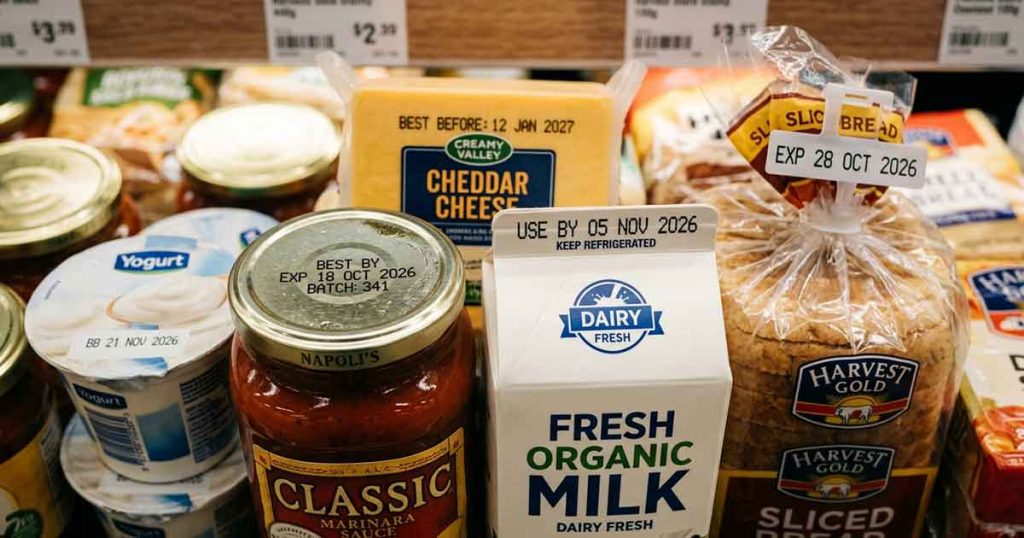
Are Food Expiration Dates a Lie? What Those Dates Really Mean
That date printed on your food package might not mean what you think it means. In the United States, most food products are not federally…
-

The Kitchen Aisle Toxins Nobody Warns You About
Walk down the kitchen aisle of any big-box store, and you’ll see the same products that every household has stocked for decades. Sandwich bags. Dish…
-

Your Wardrobe Is Poisoning You (Here’s the Proof) – NTL Episode #1
Have you ever wondered what’s really in the clothes you wear or the sheets you sleep on? In this episode of Non-Toxic Living, I’m exposing…
-

Homemade Elderberry Syrup: An Easy Immune Recipe
Every fall, right about the time the kids head back to school, we make a batch of elderberry syrup and keep it in the fridge….
One swap a week
Every week, one small change worth making, why it matters, and where to get it. Two minutes, then back to your life.