
For decades, parents have trusted baby formula as a safe and necessary option for feeding their infants. But recent investigations have revealed a disturbing truth: many popular infant formulas contain dangerous levels of toxins, including heavy metals and industrial chemicals. This raises serious concerns about what we are really feeding our babies—and why regulatory agencies have failed to take meaningful action.
The Hidden Dangers in Baby Formula
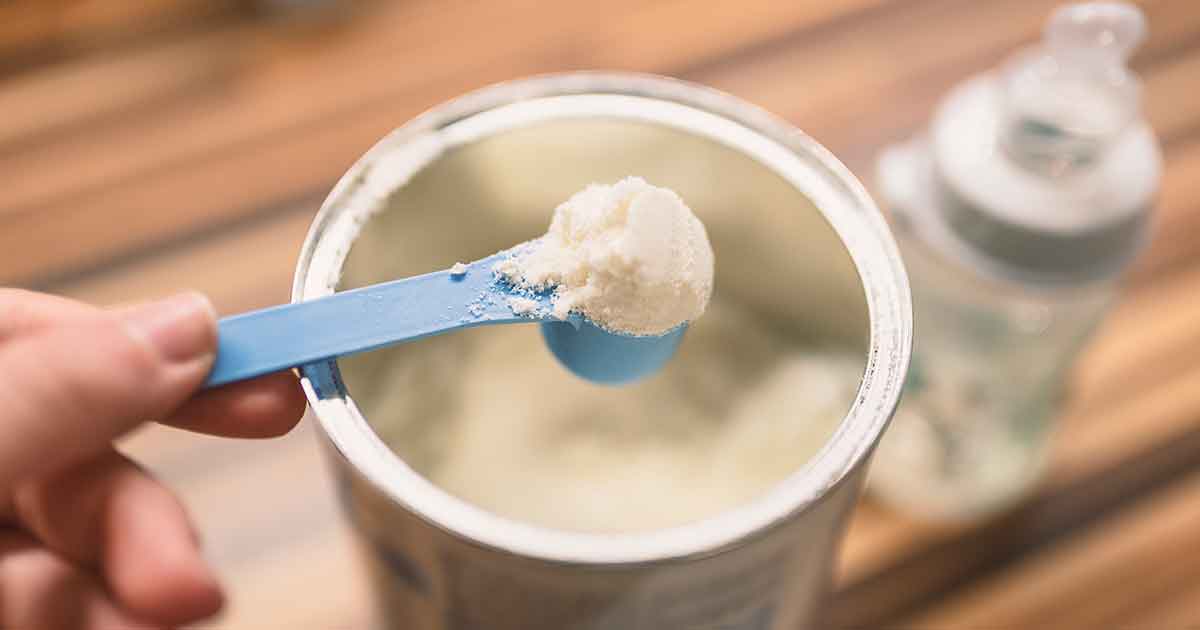
Recent testing found that 34 out of 41 popular infant formulas contained unsafe levels of lead, arsenic, and even PFAS—also known as ‘forever chemicals.’ These contaminants are linked to developmental delays, lower IQ, and long-term health risks such as obesity, diabetes, and neurological disorders.
Heavy metals and industrial chemicals have no place in products meant to nourish the most vulnerable among us. Yet, time and time again, testing has revealed unsafe levels of these toxins in baby food and formula. The FDA has been aware of heavy metals in baby food for years, yet its latest response, dubbed “Operation Stork Speed,” does little to guarantee actual safety improvements. Parents deserve better.
A recent report from Consumer Reports further confirms these concerns, revealing that many leading baby formulas contain toxic contaminants at levels that exceed safe limits. The full findings can be accessed here: Consumer Reports Baby Food Safety.
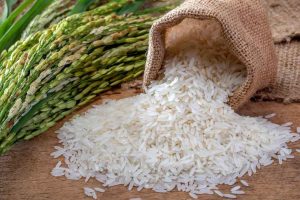
Additionally, another Consumer Reports investigation tested 14 leading baby formulas and found that nearly half contained concerning levels of lead, cadmium, and arsenic, with some formulas exceeding even the FDA’s weak standards. Formulas with rice-based ingredients had particularly high arsenic levels, as rice is known to absorb arsenic from soil and water. Parents can review the detailed test results here:Consumer Reports Baby Formula Test Results.[1]
A Formula That Resembles Energy Drinks?
Beyond the contamination concerns, many mainstream formulas have ingredient lists that look more like something you’d find in an energy drink than in an infant’s first food. Many formulas rely heavily on corn syrup, industrial seed oils, synthetic additives, and preservatives—ingredients that have no place in a baby’s diet. The high sugar content alone should raise alarms, as excessive sugar intake in infancy can contribute to metabolic issues and a higher risk of obesity later in life.
These ultra-processed ingredients can also disrupt gut health, making it harder for babies to develop a strong microbiome. A poor gut microbiome in infancy has been linked to higher risks of autoimmune disorders, allergies, and digestive issues later in life. Many parents are shocked when they compare ingredient labels and realize that some formulas share more similarities with energy bars and sugary drinks than with real, nourishing food.[2]
Some moms have caught on, choosing to import formula from Europe, where regulations are far stricter. Many European formulas include real, whole-food ingredients and avoid corn syrup, artificial preservatives, and seed oils. If European countries can offer safer formula options, why are parents in the U.S. left with subpar, toxin-laden alternatives?
Safer Formula Alternatives
Breast milk is always the best option for infant nutrition, offering unmatched immune and developmental benefits. But for parents who cannot breastfeed or need an alternative, there are better choices available. Many parents in the holistic health community recommend cleaner formulas, such as:
- Serenity Kids – A high-quality, grass-fed, A2 dairy-based formula with no seed oils or artificial additives.
- HiPP & Holle – European brands are known for their strict ingredient sourcing, organic standards, and exclusion of corn syrup and unnecessary additives.
- Bobbie – A U.S.-based formula that meets European standards and avoids many of the harmful ingredients found in mainstream brands.
While these options may come at a higher price point, the investment in a child’s long-term health is invaluable. Choosing a formula with clean ingredients can make a significant difference in a baby’s development and overall well-being.
How to Reduce Toxin Exposure from Baby Formula
If formula feeding is the best option for your family, there are still steps you can take to reduce your child’s exposure to harmful contaminants:
- Check the brand you’re using. Some formulas tested significantly worse than others. Research your specific formula and look for independent lab testing when possible.
- Use filtered water. Tap water can contain additional heavy metals, fluoride, and other contaminants that can further increase toxic exposure. A high-quality reverse osmosis filter is the best option for reducing these risks.
- Avoid rice-based formulas. Since rice absorbs arsenic from soil, formulas containing rice syrup or rice flour are more likely to have higher levels of arsenic.
- Ask your pediatrician about safer alternatives. Many doctors are unaware of the toxic ingredients in mainstream formulas, but holistic and functional medicine practitioners may have better recommendations.
- Avoid plastic baby bottles. Many plastic bottles leach endocrine-disrupting chemicals, especially when heated. Opt for glass bottles whenever possible.
- Demand better regulations. Parents have a right to safe formula for their babies. Public awareness and pressure can drive changes in industry standards. Organizations like the Clean Label Project and Environmental Working Group continue to advocate for stricter guidelines to protect infant health.
The Bottom Line
The presence of toxins in baby formula is unacceptable, yet regulatory agencies continue to fall short in protecting infants from harmful exposure. The best thing parents can do is to stay informed, research their options, and demand better. Companies will only change when consumers force them to.
If you know a parent who needs to see this information, share it with them. Education and awareness are the first steps toward real change. More parents deserve to know what’s really in their baby’s formula—and what safer alternatives exist.
References:
- “Baby Formula Contaminants Test Results.”Consumer Reports, 2024,https://www.consumerreports.org/babies-kids/baby-formula/baby-formula-contaminants-test-results-a7140095293/.
- Pantazi, Alexandru Cosmin, et al. “Relationship between Gut Microbiota and Allergies in Children: A Literature Review.” Nutrients, vol. 15, no. 11, May 2023, p. 2529.