
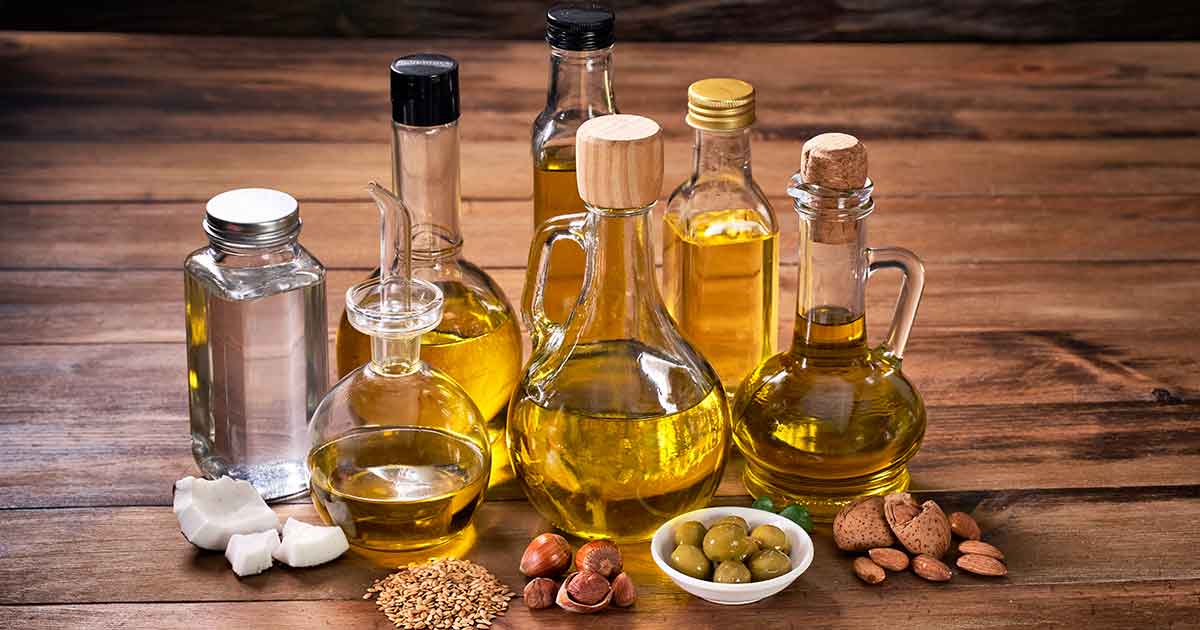
Best & Worst Cooking Oils for a Non-Toxic Kitchen
When it comes to building a low-tox, health-conscious home, most of us start with the obvious—swapping out plastic containers, filtering our water, and checking ingredient lists on cleaning products. But one of the most overlooked areas where toxins can sneak in is through our cooking oils. That’s right—what you’re using to fry, sauté, roast, or even drizzle on your salad could either be supporting your health or undermining it.
Cooking oils vary widely in quality, and many of the most commonly used options—whether found on grocery store shelves or in restaurant kitchens—could be contributing to inflammation and long-term health issues. So let’s break it down. This guide isn’t about fear—it’s about understanding. If you want to make smarter choices about the oils in your kitchen, this is a good place to start.
The Oils to Avoid: Seed Oils and Industrial Extracts
Let’s start with the worst offenders. Canola oil, soybean oil, corn oil, sunflower oil, safflower oil—these are all examples of what are known as industrial seed oils. These oils are typically extracted using high heat, chemical solvents, and industrial processing methods. The result? Highly refined, unstable fats that oxidize easily and offer very little in the way of nutrients or antioxidants. These oils are heavy in polyunsaturated fatty acids (PUFAs), which are far more prone to breaking down under heat and forming inflammatory compounds in the body.[1-2]
And because they’re often used in processed foods, fast food, and packaged snacks, they’re hard to avoid unless you’re actively paying attention. In my kitchen, these oils are a firm no. They don’t belong in the frying pan, the salad bowl, or anywhere else. If you’re working toward better metabolic health, less inflammation, and long-term wellness, cutting out industrial seed oils is a powerful step forward.
The Middle Ground: Olive Oil and Avocado Oil
Extra Virgin Olive Oil (EVOO) and avocado oil are much more stable than seed oils and have become staples in many health-conscious kitchens for good reason. They’re both rich in monounsaturated fats, which are less prone to oxidation than PUFAs, and they come with a range of antioxidants and anti-inflammatory properties. EVOO, in particular, is incredibly well studied for its cardiovascular benefits, anti-inflammatory effects, and support of overall metabolic function. That said, these oils have limitations. I don’t generally cook with them over high heat. While avocado oil has a higher smoke point than olive oil, both can still degrade if pushed too far. Instead, I use olive oil mostly raw—in dressings, soups, sauces, or drizzled over veggies or proteins after cooking. It’s also my go-to for marinades and even dipping bread. Avocado oil gets some use in low- to medium-heat cooking, especially when I need a neutral flavor. Think stir-frying veggies, baking, or a quick pan sear. If I had to give EVOO a grade for health, it’s an easy A++. Just be mindful of where and how you’re using it.
The Best Oils for High-Heat Cooking
When it comes to cooking at high heat—roasting, frying, searing—you want fats that are stable. That means looking for oils that are high in saturated fat and low in PUFAs. These are the fats that don’t break down easily, don’t go rancid as fast, and won’t fill your kitchen (or your body) with oxidized byproducts.[1]
Camel fat might be less common, but it’s a highly stable fat with a moderate level of saturated fat, making it a good option for cooking meats and veggies. It performs well under heat and doesn’t have a strong flavor, which makes it versatile in different dishes.
Butter is another solid choice. While it has a lower smoke point than some other fats, it brings richness and depth to eggs, sautéed greens, and light pan cooking. Just be careful not to burn it—once butter smokes, it breaks down fast.
Beef tallow is a throwback to traditional cooking, and for good reason. It’s stable, has a high smoke point, and adds a satisfying flavor when roasting root vegetables, frying meat, or even pan-searing burgers.
Then there’s ghee—one of my personal favorites. Ghee is clarified butter, which means the milk solids and water have been removed. This gives it an even higher smoke point than butter and makes it suitable for people with dairy sensitivities. Ghee is excellent for frying fish, cooking meats, or adding flavor to stews and curries.
And finally, the heavyweight of high-heat cooking: coconut oil. With a saturated fat content of around 90%, coconut oil is incredibly heat-stable. It’s perfect for stir-frying, baking, or even popcorn night. It does have a bit of a coconut flavor, so it works best in dishes that complement or tolerate that taste. But from a health and stability perspective, it’s at the top of the list. A++ in my book.
A Quick Word on Smoke Points and Cooking Temperatures
Even the most stable fats can become problematic if you cook them too hot. Every oil has a smoke point—the temperature at which it starts to burn and break down. When an oil reaches this point, not only does the flavor deteriorate, but harmful compounds can start to form. That’s why paying attention to how hot your pan gets is just as important as the type of oil you’re using. A good rule of thumb: if your oil is smoking, it’s too hot. Dial it back and let your cookware do the work. Cast iron, stainless steel, and even well-seasoned carbon steel can hold and distribute heat more evenly, which helps you cook effectively without having to crank the burner to max.
Making the Switch: What to Keep, What to Replace
If your pantry is full of seed oils right now, don’t panic. You don’t have to overhaul everything overnight. Start by swapping out one bottle at a time. Replace canola oil with avocado oil. Try ghee instead of vegetable oil. Pick up a high-quality extra virgin olive oil and use it raw to finish dishes. These are small steps that can have a big impact on your inflammation levels, energy, and long-term health. The oils you use daily are a foundational part of your diet. When you choose wisely, they support your body. When you don’t, they quietly undermine your efforts.
At the end of the day, a non-toxic lifestyle isn’t just about cutting things out—it’s about replacing them with better, smarter choices. And few areas make more of a difference than the oils you use in your kitchen. So next time you heat up a pan, ask yourself: is this oil working for me—or against me? When you make that shift, every meal becomes an act of nourishment, not just fuel.
References:
- Abdollahi, S., Soltani, S., Ramezani-Jolfaie, N., Mohammadi, M., Sherafatmanesh, S., Lorzadeh, E., & Salehi-Abargouei, A. (2024). The effect of different edible oils on body weight: a systematic review and network meta-analysis of randomized controlled trials. BMC Nutrition, 10(1), 107. https://doi.org/10.1186/s40795-024-00907-0
- DiNicolantonio, J. J., & O’Keefe, J. H. (2017). Good fats versus bad fats: A comparison of fatty acids in the promotion of insulin resistance, inflammation, and obesity. Missouri Medicine, 114(4), 303–307.
Keep updated on latest posts
-

3 Kids’ Clothing Types I’d Think Twice About at Target
Kids’ clothing seems simple until you start looking at what actually goes into making a garment perform a certain way. A T-shirt can be designed…
-
The Cream Cheese Ingredient You May Want to Rethink
Cream cheese seems like one of those foods that should be simple. Milk, cream, salt, maybe a culture, and that’s about it. But flip over…
-
Could Choosing Different Fruits and Vegetables Support Fertility?
When you’re trying to improve fertility, the conversation usually turns to hormones, supplements, sleep, stress, exercise, alcohol, and overall diet. There’s another piece worth considering,…
-

Ricotta Raspberry Toast: An Easy 5-Minute Breakfast
Some mornings you want something that feels a little special without any actual effort. This is that breakfast. Creamy ricotta, sweet-tart raspberries, and a scatter…
One swap a week
Every week, one small change worth making, why it matters, and where to get it. Two minutes, then back to your life.