

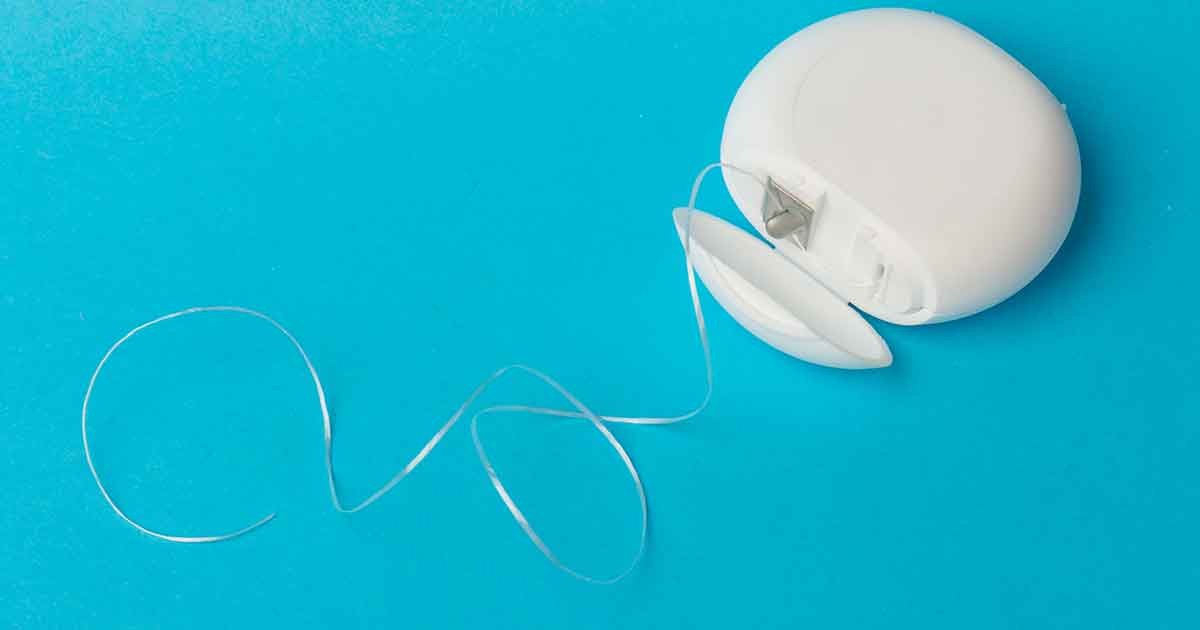
If you’re flossing every day like your dentist tells you to, you might think you’re doing everything right. You brush, you floss, you keep up with your cleanings. But what if the floss you use every day isn’t as reliable as you thought? It turns out that not all dental floss is created equal, and some of the most common flosses on the market contain hidden dangers that could be doing more harm than good.
Why Conventional Floss Is a Problem
Most dental floss is made from synthetic materials like nylon or polyester, both of which are types of plastic. While these materials make for a strong, durable floss, they also come with a serious downside: microplastics. When you floss with plastic-based floss, tiny particles can break off and become embedded in your gums. And once they’re in there, they don’t just disappear. Research has shown that microplastics in your gums can cause inflammation in cells responsible for keeping your gum structure healthy. In other words, by using plastic floss, you might be gradually damaging the support system that keeps your teeth secure.
Beyond microplastics, conventional flosses often contain other harmful chemicals. To make flossing smoother, many brands add a coating of perfluorinated compounds (PFCs) like Teflon, which helps the floss slide easily between teeth. While that might make flossing more comfortable, it can come with significant risks. These chemicals have been linked to serious health concerns, including hormone disruption and even an increased risk of certain cancers. And if that’s not enough, some flosses still contain bisphenol A (BPA) or bisphenol S (BPS), both of which are known endocrine disruptors that can interfere with hormone balance and overall health.
The Impact on Oral and Overall Health
When microplastics and toxic chemicals enter your body, they don’t just stay in your mouth. Over time, they can accumulate and affect your entire system. Chronic inflammation in the gums has been linked to a host of other health problems, including heart disease, diabetes, and even cognitive decline. And since flossing is meant to improve gum health, using a product with harmful ingredients defeats the purpose of flossing in the first place.
There’s also the concern of absorption. The tissues in your mouth are incredibly permeable, meaning that whatever is in your floss—whether it’s plastic particles or hormone-disrupting chemicals—can easily enter your bloodstream. Over time, this exposure can add up, contributing to long-term health risks that go far beyond your teeth and gums.
Healthier Alternatives to Conventional Floss
The good news is that you don’t have to give up flossing altogether. In fact, skipping flossing isn’t an option if you want to maintain strong gums and avoid plaque buildup. The key is to choose a floss that supports your health instead of harming it.
- Silk floss: A completely natural alternative that’s biodegradable and free from harmful chemicals. Silk floss glides between teeth just as effectively as conventional floss but without the risk of microplastics or chemical exposure. Plant-based flosses are also made from corn fiber or bamboo charcoal, both providing an eco-friendly and non-toxic option.
- Wooden toothpicks or interdental brushes: These tools can remove food particles and plaque without exposing your gums to unnecessary chemicals. Plus, they’re easy to use and widely available.
My Go-To Dental Floss
Making the Switch to a Safer Routine
Flossing is essential to maintaining a healthy mouth, but like anything else, the quality of the tools you use matters. By switching to a non-toxic floss, you’re not just protecting your teeth and gums but also reducing your overall exposure to harmful chemicals and making a small but meaningful change for your long-term health.
It’s easy to overlook something as simple as dental floss, but small daily habits add up over time. When you choose healthier products, you’re investing in your well-being that will pay off for years to come. So, next time you reach for your floss, take a second to check what it’s made of. Your gums—and your entire body—will thank you.
References:
- Sarkar, Pradip, et al. “Microplastics and Their Impact on the Gut Microbiota: An Emerging Threat to Human Health.” Journal of Hazardous Materials, vol. 429, 2022,.
- Harvard Harvard T.H. Chan School of Public Health. “Is Your Dental Floss Toxic?” Harvard T.H. Chan School of Public Health, 8 Jan. 201.
- Rochester, Johanna R. “Bisphenol A and Human Health: A Review of the Literature.” Reproductive Toxicology, vol. 42, 2013, pp. 132–155. National Center for Biotechnology Information.
- Simon, Matt. A Poison Like No Other: How Microplastics Corrupted Our Planet and Our Bodies. Island Press, 2022.


