
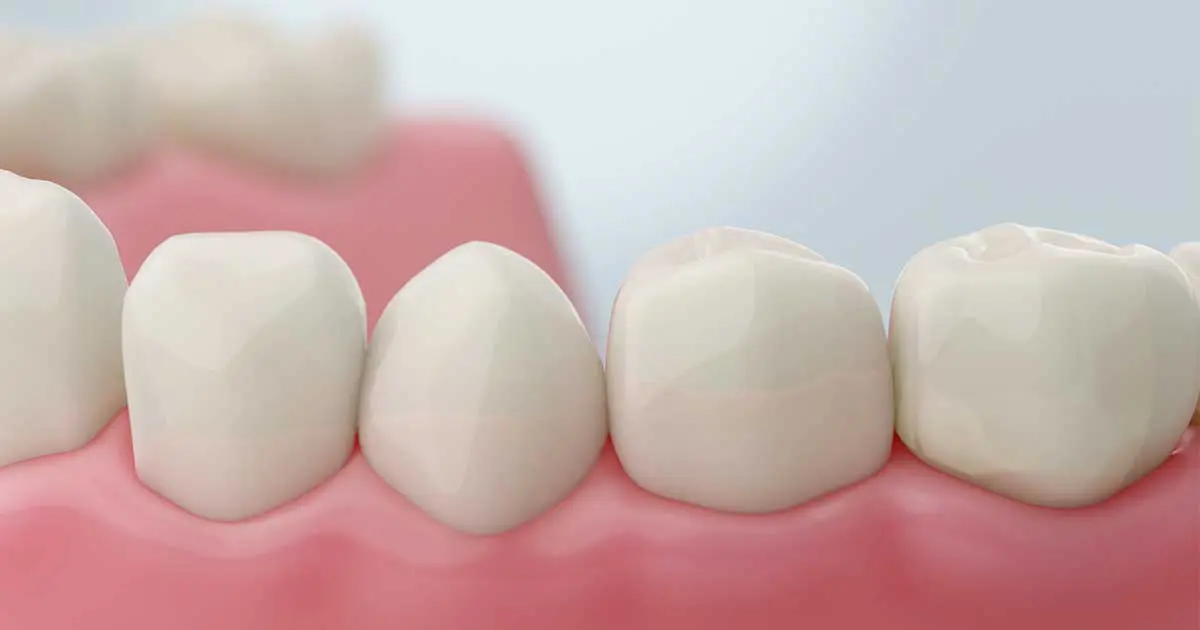
Fluoride: Strong Teeth or Hidden Risks?
Fluoride has been marketed for decades as the hero of oral health, touted for its ability to prevent cavities and strengthen tooth enamel. But what if the same fluoride we trust to protect our teeth comes at a much steeper cost to our overall health? Emerging research and legal battles have painted a different picture—one where the risks may outweigh the benefits, especially for children. Let’s dig deeper into the fluoride debate and explore the impact this chemical has on health and alternative strategies for maintaining strong, healthy teeth without the potential toxicity.
The Fluoride Controversy: A Closer Look
Fluoride’s introduction into public water supplies in the mid-20th century was hailed as a breakthrough in preventing tooth decay. Yet, the conversation around fluoride has shifted dramatically in recent years. While fluoride can indeed strengthen tooth enamel, recent studies have highlighted its potential dangers, particularly for developing children.[1]
The most concerning findings involve fluoride’s impact on cognitive health. Research, including major lawsuits and peer-reviewed studies, has linked fluoride exposure in children to significant IQ reductions. And we’re not talking about minor differences—some studies suggest that frequent exposure can lead to IQ losses of up to 20 points.[2]
A 2019 study published in JAMA Pediatrics found that higher fluoride exposure during pregnancy was associated with lower IQ scores in children. This research adds to the growing body of evidence showing that fluoride is not the harmless dental additive we once believed it to be.[3]
How Fluoride Affects Cognitive Development
Fluoride is a neurotoxin, and its effects on the brain are well-documented in animal and human studies. Children are especially vulnerable because their brains are still developing. Fluoride crosses the blood-brain barrier, accumulating in regions critical for learning, memory, and emotional regulation.[2]
IQ reductions have far-reaching consequences that extend beyond test scores. A lower IQ can impact quality of life in tangible ways, such as:
- Fewer opportunities for career advancement: Intelligence often plays a role in education and job prospects, and lower IQ levels can limit future potential.
- Decreased job satisfaction: With fewer opportunities, individuals may find themselves stuck in roles that don’t align with their abilities or interests.
- Reduced lifetime income: Lower intelligence scores are correlated with earning less money over the course of a lifetime.
When you consider the long-term implications, the question arises: Is stronger tooth enamel worth these potential setbacks?
The Hidden Health Costs of Fluoride
Beyond cognitive development, fluoride exposure is linked to a range of other health concerns. One of the most significant is its impact on the thyroid gland. Fluoride disrupts the thyroid’s ability to produce hormones, leading to potential issues like hypothyroidism, fatigue, weight gain, and even depression.[4]
Additionally, fluoride accumulates in bones over time, potentially increasing the risk of skeletal fluorosis—a condition that weakens bones and causes pain. While severe skeletal fluorosis is rare in developed countries, long-term exposure to lower levels of fluoride can still contribute to bone density problems, especially in older adults.[5]
The Myth of Fluoride Safety
Proponents of fluoride often argue that the levels found in drinking water and toothpaste are too low to cause harm. However, fluoride’s effects are cumulative. Small exposures from water, toothpaste, and processed foods add up over time, creating a toxic burden on the body.
Children are particularly at risk because of their smaller size and developing systems. A child who brushes their teeth twice daily with fluoride toothpaste, drinks fluoridated water, and consumes processed foods or beverages made with fluoridated water may be exposed to far more fluoride than recommended.
Rethinking Dental Health: Safer Alternatives to Fluoride
The good news is that you don’t need fluoride to maintain strong, healthy teeth. By focusing on diet and natural oral care products, you can protect your teeth without exposing yourself or your family to the risks associated with fluoride.
1. A Mineral-Rich Diet
Strong teeth start with what you eat. Your body requires minerals like calcium, phosphorus, and magnesium to build and maintain healthy enamel. Zinc, selenium, and vitamin D also play vital roles in supporting oral health by promoting strong bones and reducing inflammation in the gums.
Incorporating foods like grass-fed dairy, pastured meats, leafy greens, and nuts can help ensure you’re getting the nutrients your teeth need. Clean, mineral-rich water is another excellent way to support dental health. Consider investing in a high-quality water filter that removes fluoride while preserving beneficial minerals.
2. Natural Toothpaste with Hydroxyapatite
Hydroxyapatite is a naturally occurring mineral that makes up 97% of tooth enamel and 70% of dentin (the layer beneath the enamel). It’s a proven alternative to fluoride for strengthening teeth and repairing small cracks in the enamel.[6]
When choosing a hydroxyapatite toothpaste, look for products without nano-sized particles, which some research suggests may be too small to work effectively. Brands offering high-quality hydroxyapatite toothpaste provide a safer option for maintaining strong teeth without the health risks associated with fluoride.
3. Oil Pulling and Natural Mouth Rinses
Oil pulling, an ancient Ayurvedic practice, involves swishing a tablespoon of oil (like coconut or sesame) in your mouth for 10–20 minutes. This practice helps remove bacteria, reduce plaque, and improve gum health. While it doesn’t replace brushing and flossing, it can be a great addition to your oral care routine.[7]
Natural mouth rinses made with ingredients like xylitol, tea tree oil, and clove oil are also effective for reducing bacteria and freshening breath without introducing harmful chemicals.
The Bigger Picture: Moving Away from Fluoride
Shifting away from fluoride isn’t just about personal health—it’s about questioning outdated practices and advocating for safer, more effective alternatives. Many countries, including Sweden, Germany, and Japan, have stopped fluoridating their water supplies and still maintain excellent dental health through education and access to quality oral care products.
For parents, making the switch to free options can feel daunting, but the benefits are worth it. By providing a mineral-rich diet, choosing fluoride-free toothpaste, and teaching kids good oral hygiene habits, you can set them up for a lifetime of strong, healthy teeth without the risks.
Conclusion: Protecting Health Beyond Teeth
The conversation about fluoride often revolves around its benefits for dental health, but it’s time to look at the bigger picture. While fluoride may strengthen enamel, the risks to cognitive health, thyroid function, and overall well-being are hard to ignore.
By making informed choices and focusing on nutrient-dense foods and natural oral care products, you can protect your teeth and your health. Whether you’re a parent looking out for your kids or simply someone who wants to avoid unnecessary risks, there are safer, smarter ways to support strong teeth without compromising long-term health.
Strong teeth shouldn’t come at the expense of your thyroid, your brain, or your future. Choosing fluoride-free alternatives is a small but powerful step toward better health for yourself and your family.
References:
- Fluoride Exposure: Neurodevelopment and Cognition.” National Toxicology Program, https://ntp.niehs.nih.gov/whatwestudy/assessments/noncancer/completed/fluoride. Accessed 20 Jan. 2025.
- Grandjean, Philippe. “Developmental Fluoride Neurotoxicity: An Updated Review.” Environmental Health, vol. 18, Dec. 2019, p. 110.
- Kyla W. Taylor, PhD; Sorina E. Eftim, PhDChristopher A. Sibrizzi, MPH.Fluoride Exposure and Children’s IQ Scores A Systematic Review and Meta-Analysis. JAMA Pediatr. Published online January 6, 2025. doi:10.1001/jamapediatrics.2024.5542
- Iamandii, Inga, et al. “Does Fluoride Exposure Affect Thyroid Function? A Systematic Review and Dose-Response Meta-Analysis.” Environmental Research, vol. 242, Feb. 2024, p. 117759.
- Everett, E. T. “Fluoride’s Effects on the Formation of Teeth and Bones, and the Influence of Genetics.” Journal of Dental Research, vol. 90, no. 5, May 2011, pp. 552–60.
- Chen, Lijie, et al. “Hydroxyapatite in Oral Care Products—A Review.” Materials, vol. 14, no. 17, Aug. 2021, p. 4865.
- Naseem, Mustafa, et al. “Oil Pulling and Importance of Traditional Medicine in Oral Health Maintenance.” International Journal of Health Sciences, vol. 11, no. 4, 2017, pp. 65–70.
Keep updated on latest posts
-

3 Kids’ Clothing Types I’d Think Twice About at Target
Kids’ clothing seems simple until you start looking at what actually goes into making a garment perform a certain way. A T-shirt can be designed…
-

The Cream Cheese Ingredient You May Want to Rethink
Cream cheese seems like one of those foods that should be simple. Milk, cream, salt, maybe a culture, and that’s about it. But flip over…
-

Could Choosing Different Fruits and Vegetables Support Fertility?
When you’re trying to improve fertility, the conversation usually turns to hormones, supplements, sleep, stress, exercise, alcohol, and overall diet. There’s another piece worth considering,…
-

Ricotta Raspberry Toast: An Easy 5-Minute Breakfast
Some mornings you want something that feels a little special without any actual effort. This is that breakfast. Creamy ricotta, sweet-tart raspberries, and a scatter…
One swap a week
Every week, one small change worth making, why it matters, and where to get it. Two minutes, then back to your life.