
The Hidden Health Risks of Wet Laundry
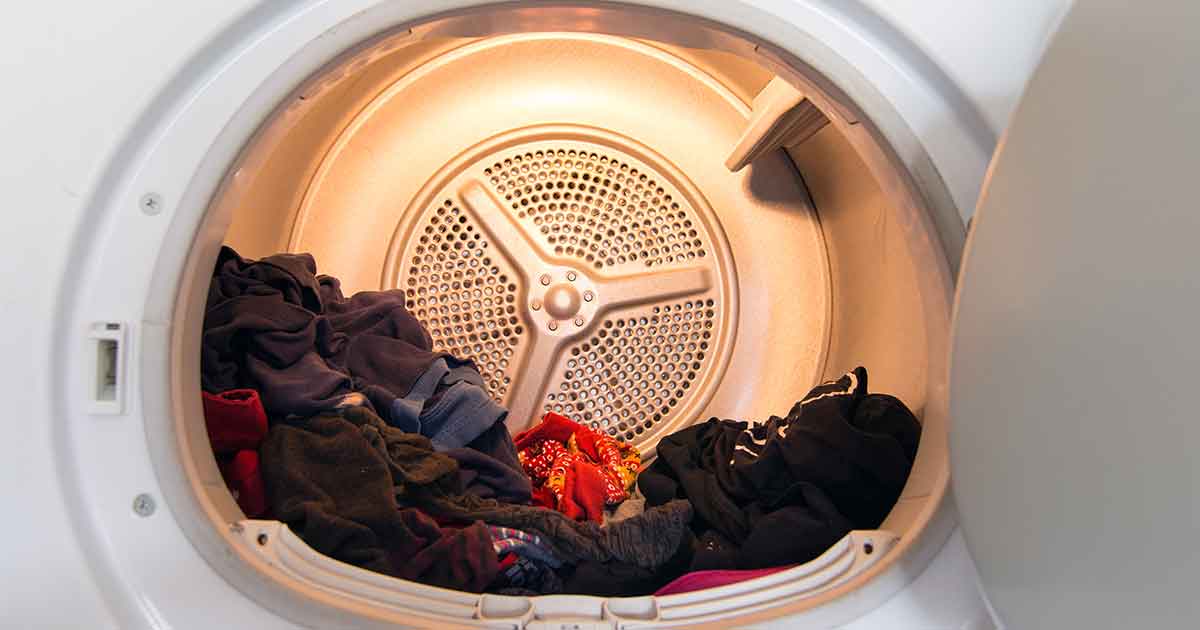
Most of us have done it—started a laundry load, got distracted, and left wet laundry sitting in the washing machine overnight. It feels harmless, just an inconvenience at worst. But here’s what most people don’t realize: letting damp clothes sit for hours—or even just overnight—can create the perfect environment for mold to grow, and the health consequences are more serious than you might think.
The Real Problem with Damp Laundry
Mold doesn’t take long to develop when laundry sits in a warm, dark, and moist environment like a sealed washing machine. Research shows that mold can start growing in as little as 8 to 12 hours under these conditions. And we’re not talking about just any mold. Common laundry molds include Aspergillus and Penicillium—types known to produce mycotoxins, among the most toxic substances in nature. These mycotoxins are microscopic, persistent, and incredibly difficult to remove once they infiltrate fabrics or surfaces. They’re not just allergens. They’re biologically active compounds that can disrupt key systems in the body.
Why This Should Matter to You
You may not see visible mold spots on your clothing, but that doesn’t mean toxins aren’t there. These mycotoxins are often invisible, odorless, and easily absorbed—not just through breathing but also directly through your skin. Your skin is your largest organ, and it’s incredibly porous. When you wear mold-contaminated clothes, especially for hours, you give these toxins direct access to your bloodstream. Over time, this can trigger chronic low-grade inflammation, immune system suppression, skin irritation, fatigue, and, in more extreme cases, toxic load or mold illness symptoms.
Your Washing Machine Might Be Part of the Problem
Even if you don’t often leave laundry sitting overnight, mold can still be an issue if your washing machine isn’t properly maintained. Front-loading washers, in particular, are notorious for harboring mold and mildew in their seals and detergent drawers. If your machine smells musty or sour even after a wash cycle, it’s a red flag that mold is already taking hold, and every load of laundry that passes through it is being exposed. That clean, fresh laundry? It might not be as clean as it looks or smells.
What You Can Do About It
The good news is that mold contamination in laundry is preventable and reversible with the right approach. If you’ve accidentally left laundry overnight, don’t just toss it in the dryer and hope for the best. Dry heat doesn’t neutralize mold toxins. In fact, it can bake them in.
– The safest move is to rewash the load, and here’s where baking soda comes in. Baking soda creates an alkaline environment in which mold and fungus struggle to survive. Add half a cup to a full cup of baking soda to your next wash cycle, ideally with hot water, to help neutralize mold and eliminate musty odors. You can add white vinegar to the rinse cycle for extra mold—fighting power, but never mix vinegar and baking soda simultaneously in the wash, as they cancel each other out.
– Beyond the emergency rewash, make it a habit to leave the washing machine door open after each use. Wipe down seals and detergent drawers weekly. And every month or so, run an empty cycle with hot water and a cup of baking soda or washing machine cleaner to keep the drum and inner components mold-free.
These simple habits can make a huge difference in preventing hidden mold exposure in your home.
Why It’s Worth Taking Seriously
We live in a world where we’re already exposed to more toxins than ever—from the air we breathe to the water we drink to the materials we bring into our homes. Mold is one of the most overlooked sources of everyday toxicity, and it doesn’t just show up in old buildings or flood zones. It can show up in the clothes you put on your body every day. And for anyone dealing with unexplained fatigue, brain fog, skin issues, or recurring illness, mold exposure—especially through clothing and fabric—could be a hidden contributor that’s flying under the radar.
The Bottom Line
Laundry shouldn’t make you sick. But in the right conditions, it absolutely can. If you’ve been leaving clothes in the machine overnight, don’t panic—but don’t ignore it either. Mold exposure is cumulative. It adds up over time, and the good news is, you can break the cycle by taking action now. Rewash with baking soda. Clean your machine regularly. And make it a rule in your home to move laundry to the dryer or clothesline as soon as the cycle finishes. These small changes can protect your body, your home, and your peace of mind in a big way.
You don’t need to become a germaphobe or a clean freak, but you do need to be aware. Because something as ordinary as wet laundry can quietly undermine your health if you’re not paying attention.
References:
- Zareshahrabadi Z, Amirzadeh N, Pakshir K, Nasr R, Mohammadi R, Zomorodian K. Evaluation of building washing machines as an extreme environment for potentially pathogenic fungi. Scientific Reports. 2023 Dec 4;13(1):21408. doi: 10.1038/s41598-023-48598-0. PMID: 38049507; PMCID: PMC10695939
- Bockmühl DP, Schages J, Rehberg L. Laundry and textile hygiene in healthcare and beyond. Microbial Cell. 2019 Jul 1;6(7):299–306. doi: 10.15698/mic2019.07.682. PMID: 31294042; PMCID: PMC6600116
- Institute of Medicine (US) Committee on Damp Indoor Spaces and Health. Damp Indoor Spaces and Health. Washington (DC): National Academies Press (US); 2004. Chapter 4, Toxic Effects of Fungi and Bacteria. Available from: https://www.ncbi.nlm.nih.gov/books/NBK215642/
Keep updated on latest posts
-

3 Kids’ Clothing Types I’d Think Twice About at Target
Kids’ clothing seems simple until you start looking at what actually goes into making a garment perform a certain way. A T-shirt can be designed…
-

The Cream Cheese Ingredient You May Want to Rethink
Cream cheese seems like one of those foods that should be simple. Milk, cream, salt, maybe a culture, and that’s about it. But flip over…
-

Could Choosing Different Fruits and Vegetables Support Fertility?
When you’re trying to improve fertility, the conversation usually turns to hormones, supplements, sleep, stress, exercise, alcohol, and overall diet. There’s another piece worth considering,…
-

Ricotta Raspberry Toast: An Easy 5-Minute Breakfast
Some mornings you want something that feels a little special without any actual effort. This is that breakfast. Creamy ricotta, sweet-tart raspberries, and a scatter…
One swap a week
Every week, one small change worth making, why it matters, and where to get it. Two minutes, then back to your life.