
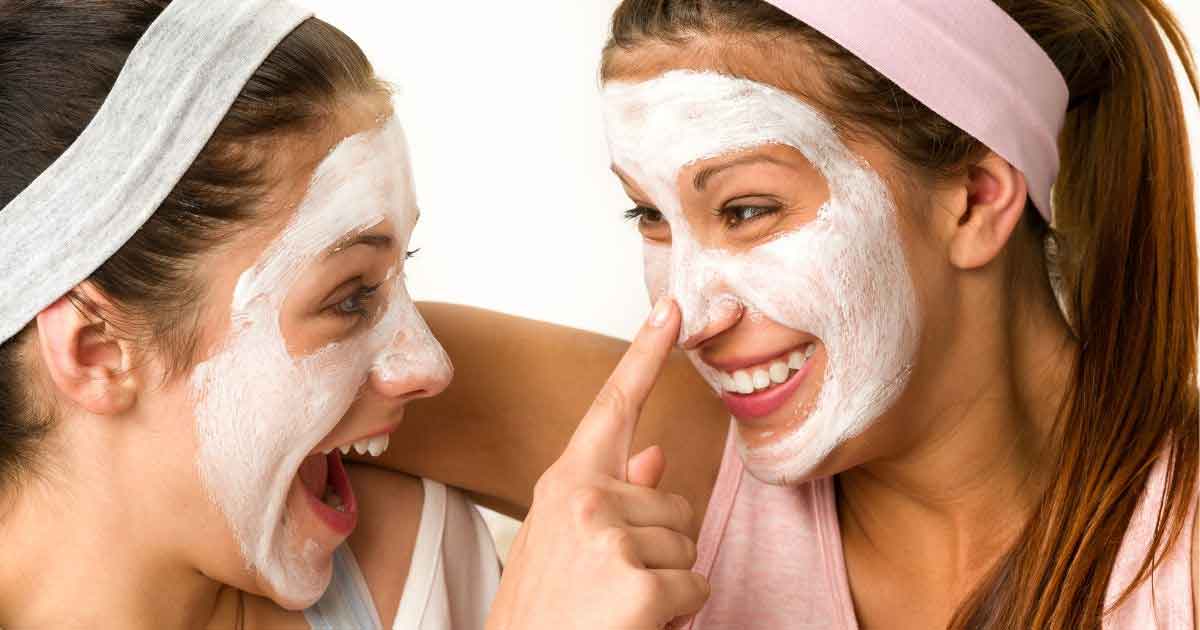
The Truth About Teen Skincare
Social media is saturated with skincare trends, and tweens and teens are watching closely. From 10-step routines to influencer-promoted miracle serums, many young people are diving headfirst into skincare with enthusiasm—and without realizing the risks. At first glance, it might seem harmless or even responsible. After all, they’re just taking care of their skin, right? Unfortunately, the reality is far more concerning. A closer look at the ingredients in many mainstream skincare products reveals a hidden danger rarely part of the online conversation: toxic chemicals with long-term health consequences.
Why Developing Skin Is More Vulnerable
Adolescent skin isn’t just young—it’s different. During the tween and teen years, skin is still developing, making it more permeable. Simply put, their skin absorbs more of what’s applied to it. So when kids slather on lotions, cleansers, toners, and serums loaded with synthetic ingredients, they expose their bodies to a concentrated stream of harmful substances. Think of developing skin like a sponge—what goes on doesn’t just stay on the surface. It can enter the bloodstream, disrupt hormonal systems, and affect organ function. This is especially worrisome when exposure becomes a daily habit, as it does with most skincare routines.
Hormone Disruption: The Hidden Consequence
A study out of UC Berkeley put this concern into perspective. Researchers found that adolescent girls who used conventional personal care products had significantly higher levels of hormone-disrupting chemicals in their urine. The study identified phthalates, parabens, triclosan, and benzophenone-3, commonly found in makeup, moisturizers, deodorants, and sunscreens. These are not just harmless preservatives or scent enhancers. They’re known endocrine disruptors, which interfere with the body’s hormonal messaging system. During puberty, hormones are already fluctuating rapidly. Adding outside interference from synthetic chemicals can throw those natural processes even further out of balance.
What These Chemicals Do
Let’s break down why these particular ingredients are problematic. Phthalates are used to make fragrances last longer, but they’ve been linked to reproductive harm and developmental issues. Parabens are preservatives that mimic estrogen in the body, potentially disrupting puberty and increasing cancer risk. Triclosan is an antimicrobial chemical that may interfere with thyroid function and contribute to antibiotic resistance. Benzophenone-3 (oxybenzone) is found in many sunscreens and is associated with hormone disruption and allergic reactions. It’s no stretch to say that these ingredients could set the stage for issues like poor adrenal function, suppressed thyroid activity, and even fertility problems later in life.
Surface-Level Symptoms Are Just the Beginning
Sure, some kids might notice redness, irritation, or rashes and think a particular product just “doesn’t agree” with them. But what’s happening under the surface is more serious. The allergic reactions and contact dermatitis are just the tip of the iceberg. Consistent exposure to these chemicals can lead to systemic effects that might not appear for years. The earlier the exposure begins, the more time these substances have to accumulate in the body. That’s a big deal, and it’s one reason we need to shift the conversation about skincare for young people.
Why Social Media Skincare Culture Is Making It Worse
The pressure to “have perfect skin” starts young. Teens and tweens are seeing influencer content that glamorizes intensive skincare routines, expensive products, and overnight transformations. However, this content rarely addresses ingredient safety or mentions that most of these products were never intended for adolescent skin. Companies aren’t marketing to cautious parents anymore—they’re targeting impressionable kids with sleek packaging and promises of confidence. This trend doesn’t just shape what’s in the bathroom cabinet. It shapes how young people think about their bodies and health, and not always in a good way.
What Healthy Skin Needs
This may surprise you, but most kids don’t need a complicated skincare routine. Many dermatologists and holistic skin experts agree that less is more for tweens and teens. Healthy skin doesn’t require layers of products. It often does best to maintain its natural barrier and oil balance when left alone.
If a routine is needed, it should be safe and straightforward. Look for truly non-toxic options—products made from whole, recognizable ingredients. Tallow-based moisturizers, coconut oil, or gentle cleansers made from olive oil or clay can be effective without the chemical overload. And for many, water and a clean towel might be enough.
How to Help Without Hovering
If you’re a parent, uncle, mentor, or just someone who wants the next generation to grow up with fewer health challenges, here’s where you come in. Start by modeling healthy choices and reading labels. Talk about ingredients as part of empowering them to make informed decisions. It’s about giving tweens and teens tools to think critically about what they put on their bodies. Suggest a pause before following the next viral trend. Help them connect feeling good with choosing what’s safe, not just what’s trendy.
Final Thoughts: It’s Time for a Reset
In a world that moves fast and markets hard, the default is often convenience over safety. But when it comes to developing bodies and long-term health, the small daily choices—like what goes on the skin—add up. We owe it to ourselves and the young people to ask better questions, demand cleaner products, and lead with curiosity instead of fear. Whether you’re a dad, a health-conscious friend, or just someone waking up to the realities of the personal care industry, your voice matters. Let’s help shift the narrative from chemical convenience to conscious care. In the long run, healthy skin starts with healthy choices.
References:
- Parikh, A.K., & Lipner, S.R. (2024). Glow or No-Go: Ethical considerations of adolescent and teen skincare trends in social media. Skin Research and Technology, 30(8), e70029. https://doi.org/10.1111/srt.70029. PMID: 39185758; PMCID: PMC11345696
- Wei, F., Mortimer, M., Cheng, H., Sang, N., & Guo, L.H. (2021). Parabens as chemicals of emerging concern in the environment and humans: A review. Science of the Total Environment, 778, 146150. https://doi.org/10.1016/j.scitotenv.2021.146150. PMID: 34030374
- Koniecki, D., Wang, R., Moody, R.P., & Zhu, J. (2011). Phthalates in cosmetic and personal care products: concentrations and possible dermal exposure. Environmental Research, 111(3), 329–336. https://doi.org/10.1016/j.envres.2011.01.013. PMID: 21315328
- Baur, R., Gandhi, J., Marshall, N.B., Lukomska, E., Weatherly, L.M., Shane, H.L., Hu, G., & Anderson, S.E. (2021). Dermal exposure to the immunomodulatory antimicrobial chemical triclosan alters the skin barrier integrity and microbiome in mice. Toxicological Sciences, 184(2), 223–235. https://doi.org/10.1093/toxsci/kfab111. PMID: 34515797; PMCID: PMC8633959
- Wnuk, W., Michalska, K., Krupa, A., & Pawlak, K. (2022). Benzophenone-3, a chemical UV-filter in cosmetics: Is it really safe for children and pregnant women?Postępy Dermatologii i Alergologii, 39(1), 26–33. https://doi.org/10.5114/ada.2022.113617. PMID: 35369611; PMCID: PMC8953895
Keep updated on latest posts
-

3 Kids’ Clothing Types I’d Think Twice About at Target
Kids’ clothing seems simple until you start looking at what actually goes into making a garment perform a certain way. A T-shirt can be designed…
-
The Cream Cheese Ingredient You May Want to Rethink
Cream cheese seems like one of those foods that should be simple. Milk, cream, salt, maybe a culture, and that’s about it. But flip over…
-
Could Choosing Different Fruits and Vegetables Support Fertility?
When you’re trying to improve fertility, the conversation usually turns to hormones, supplements, sleep, stress, exercise, alcohol, and overall diet. There’s another piece worth considering,…
-
Ricotta Raspberry Toast: An Easy 5-Minute Breakfast
Some mornings you want something that feels a little special without any actual effort. This is that breakfast. Creamy ricotta, sweet-tart raspberries, and a scatter…
One swap a week
Every week, one small change worth making, why it matters, and where to get it. Two minutes, then back to your life.