

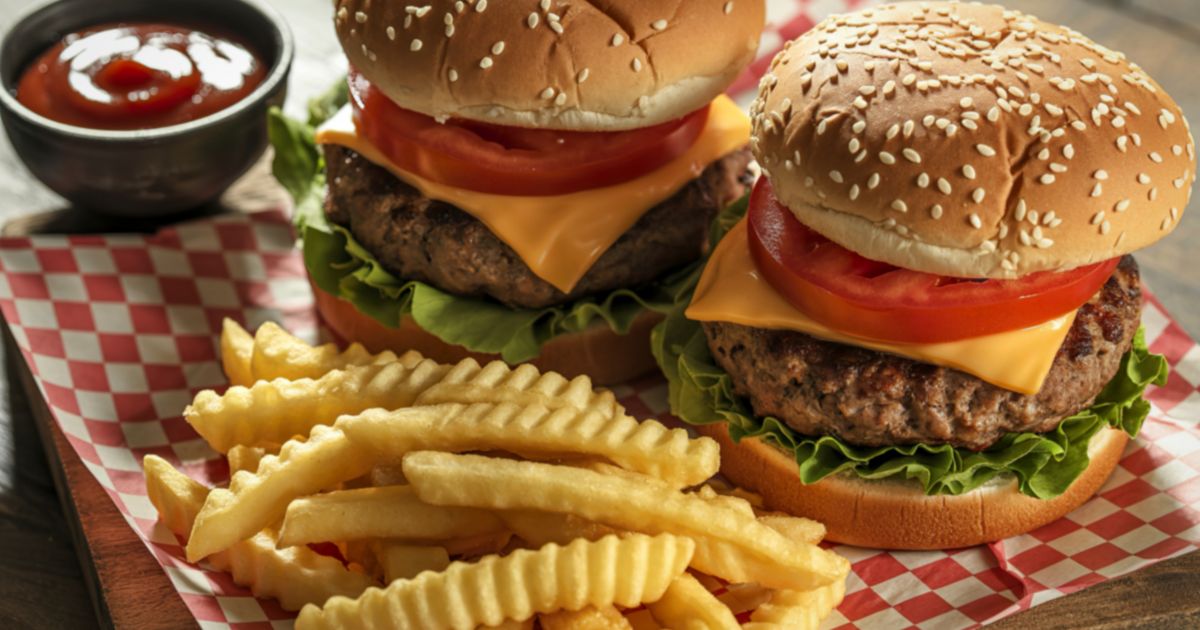
You’ve probably seen those viral photos of McDonald’s burgers that look the same months or years after purchase. I recently ran my informal experiment with a cheeseburger, a Big Mac, and fries. These weren’t stored in a refrigerator or preserved in any special way. They sat in the open, under my desk, for 10 months. The results were unsettling. After nearly a year, the burger buns showed no mold growth or decay. The cheese slices held their shape and color, with no signs of the fuzzy mold you’d expect to see on dairy after a few weeks. The beef patties had dehydrated slightly but didn’t smell rotten, break down, or develop any visible bacterial or fungal activity. The fries looked surprisingly normal, only a little shriveled from losing moisture.
What Real Food Should Do
When real, fresh food sits at room temperature, nature takes over. Bacteria and fungi begin to colonize it. Moisture levels drop, colors change, and the food develops an unmistakable odor as organic compounds break down. This process is part of the natural life cycle: food feeds microorganisms, which decompose it and return nutrients to the environment. Watching it might be unappetizing, but it’s an essential indicator that your eating is made of real, perishable ingredients. The absence of this process suggests the food has been altered to the point where it’s no longer an appealing food source for the organisms that usually break it down.
Why Fast Food Doesn’t Rot
Fast food items like the ones in my experiment can look “normal” for months because they’re engineered that way. High levels of salt, sugar, and fat create an inhospitable environment for microbial growth. In addition, many processed fast foods contain natural and synthetic preservatives that inhibit mold and bacterial activity. Some preservatives, such as calcium propionate in bread, are designed to prevent mold growth. The patties may contain compounds that slow down oxidation and spoilage. Even the cheese and condiments can be formulated to resist decay. While these additives help keep food “safe” from spoilage longer, they also make it highly processed and far removed from whole, fresh ingredients.
The Gut Connection
Here’s where it becomes more than just a weird science experiment. If bacteria and fungi can’t, or won’t, break down a particular food, what happens when that food enters your body? Your digestive system is home to trillions of microorganisms that help break down food and extract nutrients. These microbes thrive on fresh, whole foods that contain natural fibers, enzymes, and nutrients. Ultra-processed foods with high levels of preservatives can disrupt the balance of this gut microbiome. Over time, a diet heavy in these foods has been linked to inflammation, poor digestion, altered gut bacteria, and a higher risk of chronic conditions like obesity, type 2 diabetes, and heart disease. Your body might be able to pass these foods through, but that doesn’t mean it’s benefiting from them, or even entirely breaking them down.
Not Just About Calories
One of the biggest misconceptions about fast food is that the only problem is the calorie count. While excess calories can lead to weight gain, the bigger issue with many fast food meals is their low nutrient density and the presence of ingredients designed to make the food hyper-palatable and long-lasting. These foods can keep you feeling full temporarily, but they don’t provide the vitamins, minerals, or beneficial compounds your body needs to function optimally. They also contribute to “dietary displacement”, filling up on foods that don’t nourish you, which means you’re missing out on healthier options.
What to Do Instead
The point of this isn’t to shame anyone for grabbing the occasional drive-thru meal. Life is busy, and sometimes convenience wins. But it’s important to understand that convenience often comes with a trade-off. Choosing food that can rot, meaning it’s made from fresh, whole ingredients, is one of the simplest ways to ensure what you’re eating nourishes your body. If you want a burger, consider making it at home with grass-fed beef, fresh vegetables, and whole-grain or preservative-free buns. For fries, slice potatoes, toss them with olive oil, and bake them. You’ll get the taste you crave without the chemical additives that keep fast food in suspended animation.
If Bacteria Won’t Eat It…
There’s a simple rule of thumb: if bacteria won’t eat it, you probably shouldn’t. Bacteria and fungi are part of the same natural system we belong to. They can usually digest food that our bodies can digest, too. So the next time you’re tempted to grab a meal that can survive unchanged for nearly a year, think about what that says about its nutritional value, and what it might mean for your long-term health.
References:
- Fuhrman, J. (2018). The hidden dangers of fast and processed food. American Journal of Lifestyle Medicine, 12(5), 375–381.https://doi.org/10.1177/155982761876648
- Institute of Medicine (US) Committee on Strategies to Reduce Sodium Intake; Henney, J. E., Taylor, C. L., & Boon, C. S. (Eds.). (2010). Strategies to reduce sodium intake in the United States (Chapter 4: Preservation and physical property roles of sodium in foods). National Academies Press (US).https://www.ncbi.nlm.nih.gov/books/NBK50952/


