
Why Traditional Air Fresheners Aren’t as Fresh as You Think
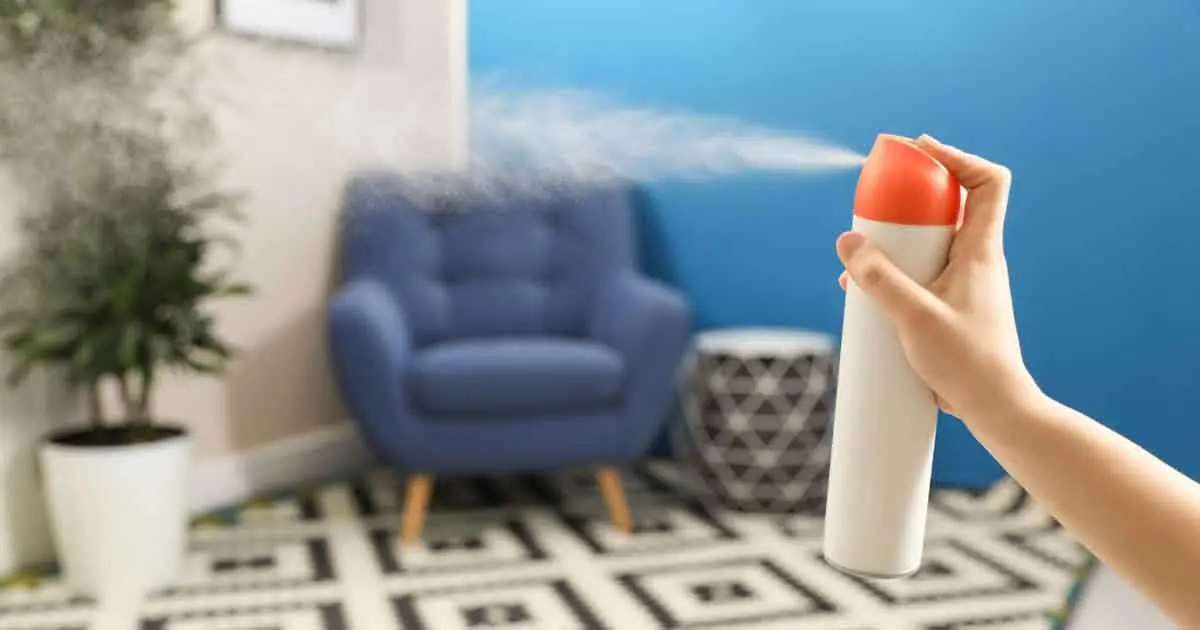
Most of us want our homes to smell inviting. A quick spray from an aerosol can, a plug-in that releases a pleasant scent, or a candle with a “fresh linen” label can seem like an easy fix. But the reality is that these products often come with an invisible cost that directly affects the air you breathe and, ultimately, your health.
Research shows that many popular air fresheners release synthetic fragrances and volatile organic compounds (VOCs), including sprays, plug-ins, and scented candles. These chemicals can cause short-term effects like headaches, dizziness, and brain fog. Over time, repeated exposure can contribute to more serious issues, including hormone disruption, respiratory irritation, and changes in your nervous system. For people with asthma or chemical sensitivities, even small amounts can trigger symptoms. And because these chemicals are designed to linger in the air, you continue breathing them long after you’ve stopped noticing the scent.
The Illusion of Fresh Air
Air fresheners don’t actually “clean” the air. Instead, they mask unpleasant smells with stronger fragrances. Some even contain odor-neutralizing agents that bind to airborne molecules, altering how your nose detects them. But the trade-off is that you’re introducing more chemicals into your environment, many of which have little to no safety testing for long-term, low-level inhalation. Labels often list “fragrance” as a single ingredient. Still, that term can represent a blend of dozens, sometimes hundreds, of chemicals, including phthalates (linked to hormone disruption) and synthetic musks (linked to bioaccumulation in the body).
The Recipe That Doesn’t Work
In the search for safer alternatives, you may have come across viral “natural air freshener” recipes online. One in particular involves mixing baking soda, vinegar, and salt in a jar. While it’s touted as a non-toxic solution, it’s ineffective for freshening air. It creates a small chemical reaction that produces CO₂ gas, water, and sodium acetate. The fizz might be satisfying, but the result is a damp, messy jar that can irritate skin or eyes if spilled. It’s more of a science fair project than a functional deodorizer.
A Simple, Non-Toxic Alternative That Works
If you want clean, pleasant-smelling air without synthetic chemicals, you can make your own air freshener with trusted ingredients. This recipe uses baking soda and Himalayan sea salt as the base: both natural odor absorbers. Whole cloves add a warm, earthy scent and insect-repelling properties. Sweet orange essential oil offers antimicrobial benefits and pairs perfectly with the aroma of cloves.
Here’s how to make it:
- Place a few cotton balls in the bottom of a clean glass jar. This will create airflow inside the jar, allowing the scent to circulate.
- Mix one part baking soda with one part Himalayan sea salt. Both ingredients work to trap and neutralize odors instead of just covering them up.
- Using a funnel, pour the mixture into the jar until it’s about three-quarters full.
- Add a few whole cloves for their scent and natural bug-repelling qualities.
- Add 15–20 drops of sweet orange essential oil. You can adjust this based on your personal scent preference.
The beauty of this recipe is that it’s flexible. If you prefer a different scent, swap sweet orange for lavender, eucalyptus, or lemon essential oil. You can also adjust the baking soda-to-salt ratio to change how quickly it absorbs odors.
How to Use and Maintain Your Freshener
Once your jar is assembled, place it anywhere in your home that needs a little freshening: bathrooms, kitchens, laundry rooms, or even your car (just ensure it’s secured so it won’t spill). Give the jar a gentle shake every week to reactivate the scent. The mixture will stay effective for about a month, after which you can empty it into your compost or trash and make a fresh batch.
Why This Matters for Indoor Air Quality
Indoor air can often be more polluted than outdoor air, especially in homes with poor ventilation. Synthetic air fresheners add to the chemical load, releasing compounds you breathe in for hours or even days. Switching to a natural alternative prevents harmful chemicals and improves your home’s air quality. Your body’s detox systems, especially your lungs, liver, and kidneys, work hard enough without adding synthetic fragrances.
A Fresh Approach to Fresh Air
The goal isn’t just to make your home smell nice but to make it a healthier space for everyone. Traditional air fresheners create the illusion of cleanliness while quietly adding to your toxic load. A simple, natural jar of baking soda, salt, cloves, and essential oil can do the same job without the health risks. It’s inexpensive, customizable, and better for the environment.
References:
- Potera, C. (2011). Scented products emit a bouquet of VOCs. Environmental Health Perspectives, 119(1), A16. https://doi.org/10.1289/ehp.119-a16
- Karr, G., Quivet, E., Ramel, M., & Nicolas, M. (2022). Sprays and diffusers as indoor air fresheners: Exposure and health risk assessment based on measurements under realistic indoor conditions. Indoor Air, 32(1), e12923. https://doi.org/10.1111/ina.12923
Kim, S., Lee, A. Y., & Cho, M. H. (2021). Inhaled exposure to air fresheners aggravated liver injury in a murine model of nonalcoholic fatty acid liver disease. Heliyon, 7(3), e06452. https://doi.org/10.1016/j.heliyon.2021.e06452
Keep updated on latest posts
-

3 Kids’ Clothing Types I’d Think Twice About at Target
Kids’ clothing seems simple until you start looking at what actually goes into making a garment perform a certain way. A T-shirt can be designed…
-

The Cream Cheese Ingredient You May Want to Rethink
Cream cheese seems like one of those foods that should be simple. Milk, cream, salt, maybe a culture, and that’s about it. But flip over…
-

Could Choosing Different Fruits and Vegetables Support Fertility?
When you’re trying to improve fertility, the conversation usually turns to hormones, supplements, sleep, stress, exercise, alcohol, and overall diet. There’s another piece worth considering,…
-

Ricotta Raspberry Toast: An Easy 5-Minute Breakfast
Some mornings you want something that feels a little special without any actual effort. This is that breakfast. Creamy ricotta, sweet-tart raspberries, and a scatter…
One swap a week
Every week, one small change worth making, why it matters, and where to get it. Two minutes, then back to your life.