

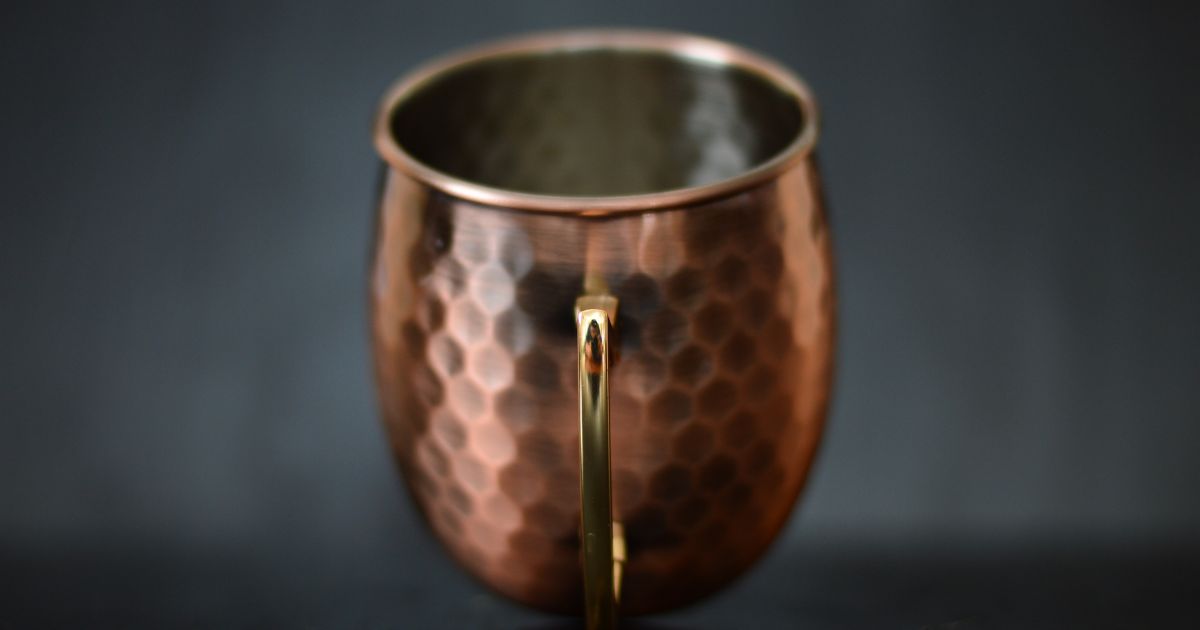
Some health habits stick around for a reason. Long before stainless steel bottles and filtration systems became standard, traditional practices were already exploring ways to store and enhance water. One of those practices comes from Ayurveda, where drinking water stored in copper vessels, known as “Tamra Jal” or copper water, has been used as part of daily routines for digestion, immunity, and overall balance. What is interesting now is not just the tradition itself, but how parts of it are starting to overlap with modern conversations about microbes, materials, and environmental exposure.
What Is Copper Water and Why Was It Used Traditionally
In Ayurvedic practice, storing water in a copper vessel overnight allows trace amounts of copper ions to infuse into the water. This is not about turning water into a supplement or drastically changing its composition. It is about subtle exposure to a mineral that the body already needs in small amounts. The idea was simple: let the water sit, let the metal interact naturally, and drink it first thing in the morning on an empty stomach.
This ritual was not framed as a quick fix. It was part of a broader system focused on digestion, daily rhythms, and internal balance. That context matters because it shows that copper water was never meant to replace foundational habits, but rather to support them.
Copper in Modern Context: More Than Just Tradition
Copper is not just a historical curiosity. It is still used today in environments where controlling microbes matters. Hospitals, for example, have explored copper surfaces because of their ability to reduce microbial load. This antimicrobial property stems from copper’s ability to release ions that disrupt the cellular functions of bacteria and other microorganisms.
When applied to water storage, this same principle suggests that copper vessels may help limit certain microbial activity over time. While this does not turn water into a sterile or medicinal product, it does highlight that copper interacts with its environment in a biologically meaningful way.
How Copper Ions Interact With the Body
When water sits in a copper vessel, trace amounts of copper ions can leach into the water. These ions are what connect the traditional practice to modern biological understanding. Copper is involved in several internal processes that directly and indirectly affect gut health and overall function.
Copper supports enzyme activity, including enzymes involved in digestion. It plays a role in immune function, helping the body respond to pathogens and maintain internal balance. It contributes to collagen formation, which is essential for connective tissue, including the gut lining. It also supports iron absorption, which is critical for oxygen transport and energy production.
These functions are real and well-established. The important distinction is that copper water contributes small amounts of this mineral, not pharmacological doses. It supports normal physiology rather than acting as a targeted intervention.
The Gut Health Angle: Where the Claim Comes From
The idea that a copper cup could help with gut issues comes from connecting these biological roles. If copper supports digestive enzymes, immune defense, and tissue integrity, it makes sense that adequate copper levels would contribute to a well-functioning digestive system.
Add to that the antimicrobial nature of copper, and the concept becomes even more appealing. The logic is that copper-infused water could help create a cleaner internal environment while supporting digestion.
The reality is more grounded. Copper is one piece of a much larger system. Gut health depends on diet quality, fiber intake, microbial diversity, stress levels, and consistent hydration. Copper water may support these processes to some extent, but it does not override them.
Copper vs. Plastic: A Shift in Awareness
Part of the renewed interest in copper water is not just about what copper adds, but about what people are trying to avoid. Modern water systems often involve plastic at some stage, whether in pipes, storage, or packaging. Certain plastics can leach compounds such as BPA and phthalates, particularly under heat or wear.
This has led to a broader reevaluation of materials used in everyday life. Copper, along with glass and stainless steel, is being reconsidered as an alternative. The appeal is straightforward: reduce exposure to synthetic compounds while reintroducing historically used materials.
That said, this is not a binary situation in which copper is inherently “clean,” and plastic is always “toxic.” Exposure depends on multiple variables, including material quality, temperature, and duration. Still, the shift toward more inert or traditionally used materials reflects a growing awareness of cumulative exposure over time.
The Detox Narrative: Where It Needs Grounding
Copper water is often described as a detox tool, but clarity matters here. The body already has built-in detoxification systems, primarily the liver, kidneys, and digestive tract. Copper supports enzyme systems that are part of normal cellular function, which indirectly contribute to these processes.
What copper water does not do is actively flush toxins out of the body dramatically or immediately. It supports the conditions under which the body can do its job, but it does not replace that job. Viewing it as a supportive habit rather than a detox solution keeps expectations aligned with how the body actually works.
How to Use a Copper Cup the Right Way
The traditional method is simple and consistent. Fill a copper mug with filtered water before going to bed. Let it sit overnight at room temperature. In the morning, drink the water on an empty stomach. This once-daily practice aligns with how copper water has historically been used.
There are a few practical considerations. The water should be plain, not acidic, since acidic liquids can increase copper leaching beyond intended levels. The vessel should be cleaned regularly to prevent buildup. And, as with anything involving trace minerals, more is not better. The goal is gentle, consistent exposure, not excess.
What This Practice Can and Cannot Do
Incorporating copper water into a daily routine can support hydration, introduce trace minerals, and connect modern habits with traditional practices. It may contribute to digestive support in subtle ways, particularly when combined with a broader approach to health.
What it cannot do is act as a standalone solution for chronic gut issues, immune dysfunction, or toxin exposure. Those outcomes depend on a combination of factors that extend far beyond a single habit. The value of copper water lies in its simplicity and consistency, not in exaggerated claims.
The Bigger Picture: Small Habits, Real Impact
Health is rarely determined by one intervention. Patterns shape it. The foods we eat daily, the quality of our sleep, the level of stress, the materials used in our environment, and the consistency of our small habits all contribute to the bigger picture.
Copper water fits into this framework as a low-effort, low-cost practice that may offer incremental benefits. It encourages hydration, reduces reliance on certain materials, and introduces a trace mineral that supports normal body functions. That is enough to make it worth considering, without turning it into something it is not.
The Bottom Line
Drinking water from a copper cup is a traditional practice rooted in Ayurveda that is gaining attention for modern reasons. Copper’s antimicrobial properties, its role in enzyme function, immune support, collagen formation, and iron absorption all provide a foundation for why this habit exists.
At the same time, it is not a cure-all. It does not replace the fundamentals of gut health or detoxification. It works best as part of a broader lifestyle that prioritizes real food, clean water, and consistent daily habits.
Used correctly, a copper cup can be a practical addition to that routine, not as a miracle solution, but as a small, grounded step toward a more intentional way of living.
References
- Institute of Medicine (US) Panel on Micronutrients. Dietary Reference Intakes for Vitamin A, Vitamin K, Arsenic, Boron, Chromium, Copper, Iodine, Iron, Manganese, Molybdenum, Nickel, Silicon, Vanadium, and Zinc. Washington (DC): National Academies Press (US); 2001. Chapter 7: Copper. Available at:https://www.ncbi.nlm.nih.gov/books/NBK222312/


