
Best Organic Coffee at Costco: 4 Brands Compared
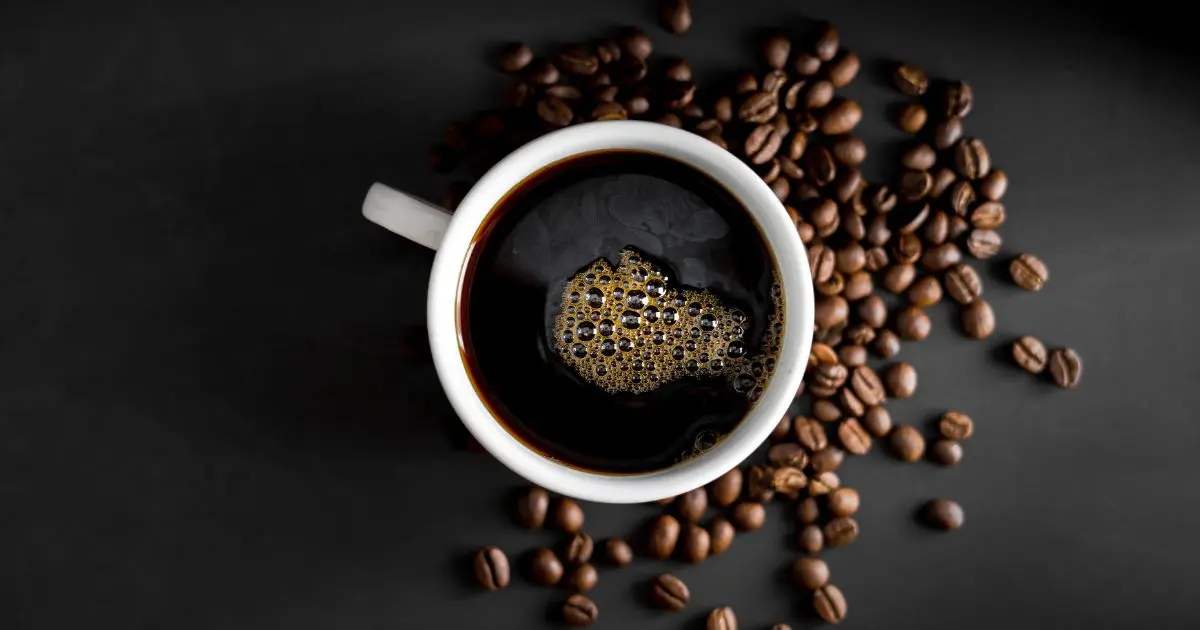
I recently compared four organic coffees at Costco, and the one I chose wasn’t the brand I expected. It was also the cheapest bag on the shelf, which made the decision even easier. When I’m shopping for my family, I look beyond the word “organic” on the front of the package. I want to know where the coffee comes from, whether I can trace its origin, how it’s packaged, and whether I’m getting good value for the price. After comparing Peet’s, Death Wish, San Francisco Bay, and Kirkland Signature, the Kirkland Organic Mexico Whole Bean Coffee came out on top for me.
What I Found When Comparing Four Organic Coffees at Costco
- Kirkland Signature Organic Mexico came out on top: It offered the combination of origin information, organic certification, and whole beans I was looking for.
- The cheapest option was my favorite: Kirkland was the least expensive of the four coffees I compared, showing that a higher price doesn’t always mean a better fit.
- Each brand had something different to offer: Peet’s was the pre-ground option, Death Wish stood out for its Fairtrade certification, and San Francisco Bay offered an organic blend.
- No single label tells the whole story: Organic and Fairtrade certifications provide useful information, but they don’t tell you everything about freshness, sourcing, or quality.
-
Peet’s Organic Coffee: Convenient, but Check the Grind
Peet’s is a recognizable name in the coffee aisle, and its organic offerings are worth considering if you want a familiar brand. The first thing I’d check, though, is whether the particular bag you’re buying contains whole beans or pre-ground coffee. In my Costco comparison, Peet’s was the pre-ground option, and that made it less appealing to me.
Here’s why I prefer whole beans: grinding increases the coffee’s exposed surface area, allowing aroma compounds to escape and oxidation to affect its flavor more quickly. Whole beans aren’t immune to aging, of course, but grinding them immediately before brewing is a straightforward way to get a fresher-tasting cup.
-
Death Wish Coffee: Fairtrade Is Useful, but It Doesn’t Tell the Whole Story
Death Wish stood out in my comparison because of its Fairtrade certification. That’s a meaningful distinction for shoppers who want to consider the social and economic conditions behind the products they buy. Fairtrade certification is associated with standards intended to support producers and improve trading conditions, depending on the applicable certification and product.
But there’s a difference between knowing how a product is certified and knowing where its ingredients come from. Fairtrade certification alone doesn’t tell you the specific farm, growing region, harvest date, or how long the roasted coffee has been sitting on a shelf. Those are separate details worth checking if traceability and freshness are important to you.
Certifications can be useful starting points, but I prefer to see them alongside clear information about the coffee itself.
-
San Francisco Bay Organic Rainforest Blend: What Does “Blend” Actually Mean?
San Francisco Bay’s Organic Rainforest Blend was another contender. The word that caught my attention was “blend.” In coffee, a blend generally means that beans from different origins, varieties, or lots have been combined to create a particular flavor profile. Blends can be excellent coffees, and combining beans from different regions isn’t inherently a downside.
What matters to me is how much information the company provides about the coffee’s origin. A blend label alone doesn’t identify every source, and some blends do provide detailed sourcing information elsewhere. If the packaging doesn’t make that information easy to find, I may have less visibility into where the beans were grown than I would with a clearly identified single-origin coffee.
-
Kirkland Signature Organic Mexico: My Pick for the Best Organic Coffee at Costco
The coffee that won me over was Kirkland Signature Organic Mexico Whole Bean Coffee. The package identifies Oaxaca, Mexico, as its region of origin, and Costco lists the product as USDA Organic-certified, whole-bean, Arabica, and medium roast. That gives shoppers several useful details before they even open the bag.
I also liked that the product information highlighted its regional origin and smaller-farm sourcing. For me, knowing the coffee comes from a named growing region makes it easier to understand what I’m buying than a package that offers little information beyond a brand name or blend designation.
And then there’s the price. In my comparison, Kirkland was the least expensive of the four coffees, which made it an especially appealing option. Costco prices vary by location, package size, and availability, so check your local shelf and compare costs per ounce or per pound.
I also appreciate that this coffee is whole bean. Grinding it fresh before brewing gives me more control over the flavor and helps preserve its aroma. Taken together, the origin information, whole-bean format, organic certification, and value made Kirkland Signature Organic Mexico my favorite of the four.
What I Look for When Buying Cleaner Coffee
I start with a few practical checks that help me compare products without getting caught up in marketing language.
Look for a clear origin. A country or region listed on the package gives you more information than a brand name alone. Single-origin coffee can be a useful option when traceability matters to you, although the amount of detail varies by company.
Choose whole beans when practical. Whole beans generally retain their aroma better than ground coffee during storage. If you have a grinder at home, grinding only what you need for each brew is an easy way to get more out of the coffee you buy.
Understand the certifications. Organic certification and Fairtrade certification serve different purposes. Organic certification addresses production standards, while Fairtrade certification focuses on standards for trading relationships and producer conditions. Neither label independently guarantees that a coffee is fresher, mold-free, or superior in taste.
Compare value, not just the sticker price. Consider the bag size, price per ounce, roast preference, and how much coffee you actually use. A more expensive bag isn’t necessarily better for your needs, and a lower price doesn’t automatically mean you’re compromising on quality.
Buy an amount you can reasonably use while it still tastes good, especially if you don’t drink coffee every day. And once at home, store your coffee properly. Keep beans in an airtight container in a cool, dry place away from heat, moisture, and direct sunlight.
These checks don’t guarantee that any coffee is free of every possible contaminant. They simply help you make a more informed decision based on the information available.
So, Which Organic Coffee at Costco Would I Buy Again?
For me, Kirkland Signature Organic Mexico was the winner because it checked the boxes I cared about most: a named growing region, whole beans, organic certification, and the best price among the four coffees I compared. It wasn’t the brand I expected to choose, but it offered the combination of transparency and value I was looking for.
My quick rule when shopping for coffee anywhere is to start with whole beans, look for a clearly identified origin, and check how much information the company shares about its sourcing. A blend can still be a great coffee, and certifications can tell you useful things, but I don’t let any single label decide for me.
Next time you’re in the coffee aisle, turn the bag around and take a closer look. You might find that the best option for your kitchen isn’t the most expensive one or the brand with the biggest name on the front.
Frequently Asked Questions About Organic Coffee at Costco
What is the best organic coffee at Costco?
In my comparison of four options, Kirkland Signature Organic Mexico Whole Bean Coffee was the winner. It identifies Oaxaca, Mexico, as its growing region, carries USDA Organic certification, and was the least expensive option in my comparison. Prices and availability can vary by location, so check your local Costco before buying.
Is whole-bean coffee better than pre-ground coffee?
Whole-bean coffee generally retains its aroma and flavor better during storage because grinding exposes more surface area to oxygen. Grinding immediately before brewing can help preserve freshness. Pre-ground coffee can be an acceptable choice if you store it properly and use it while it’s fresh.
Does organic coffee mean it is free of mold and mycotoxins?
No. Organic certification doesn’t guarantee that coffee is free of mold or mycotoxins. These contaminants are influenced by factors such as growing conditions, moisture, handling, and storage. Research has detected ochratoxin A, a mycotoxin, in some coffee samples, but that doesn’t mean all coffee is contaminated or that organic coffee is inherently more or less likely to contain it.
Does Fairtrade certification tell you where coffee comes from?
Fairtrade certification addresses standards for trading practices and producer conditions, but it alone doesn’t necessarily identify the exact farm or growing region. Look for additional origin details on the packaging or the company’s website if traceability is important to you.
How should I store organic coffee beans?
Keep coffee beans in an airtight container in a cool, dry place away from direct sunlight, heat, and moisture. Avoid storing them in a location where condensation or humidity can affect quality. Buying an amount you can use while it remains fresh can also help reduce waste.
References:
- Khaneghah AM, Fakhri Y, Abdi L, et al. The concentration and prevalence of ochratoxin A in coffee and coffee-based products: A global systematic review, meta-analysis and meta-regression. Fungal Biology. 2019;123(8):611–617. Available at:https://pubmed.ncbi.nlm.nih.gov/31345415/
- Casas-Junco, P. P., Ragazzo-Sánchez, J. A., Ascencio-Valle, F. J., & Calderón-Santoyo, M. (2017). Determination of potentially mycotoxigenic fungi in coffee (Coffea arabica L.) from Nayarit. Food Science and Biotechnology, 27(3), 891–898.https://doi.org/10.1007/s10068-017-0288-7
- Ponder, A., Krakówko, K., Kruk, M., Kuliński, S., Magoń, R., Ziółkowski, D., Jariene, E., & Hallmann, E. (2025). Organic and conventional coffee beans, infusions, and grounds as rich sources of phenolic compounds in coffees from different origins. Molecules, 30(6), 1290.https://doi.org/10.3390/molecules3006129
- Heintz MM, Doepker CL, Wikoff DS, Hawks SE. Assessing the food safety risk of ochratoxin A in coffee: A toxicology-based approach to food safety planning. Journal of Food Science. 2021;86(11):4799–4810. Available at:https://pubmed.ncbi.nlm.nih.gov/34642959/Reduction in Ochratoxin A Occurrence in Coffee: From Good Practices to Biocontrol Agents. PubMed. 2024. Available at:https://pubmed.ncbi.nlm.nih.gov/39194915/
Keep updated on latest posts
-
Dark Chocolate this Halloween: Ingredients, Safety, and Smarter Swaps
Halloween is the time of year when chocolate seems to be everywhere, from trick-or-treat bags and party bowls to the seasonal treats lining grocery store…
-
Best Organic Coffee at Costco: 4 Brands Compared
I recently compared four organic coffees at Costco, and the one I chose wasn’t the brand I expected. It was also the cheapest bag on…
-
Heirloom Pumpkin Scones
A bakery-style pumpkin scone made with stone-ground heirloom wheat flour, free of bleach, bromate, and conventional additives, for a cozy fall bake you can feel…
-

How to Plan a Non-Toxic Halloween Without Giving Up the Fun
Halloween is full of things worth looking at a little more closely, from face paint and costumes to the candy that comes home at the…
One swap a week
Every week, one small change worth making, why it matters, and where to get it. Two minutes, then back to your life.