
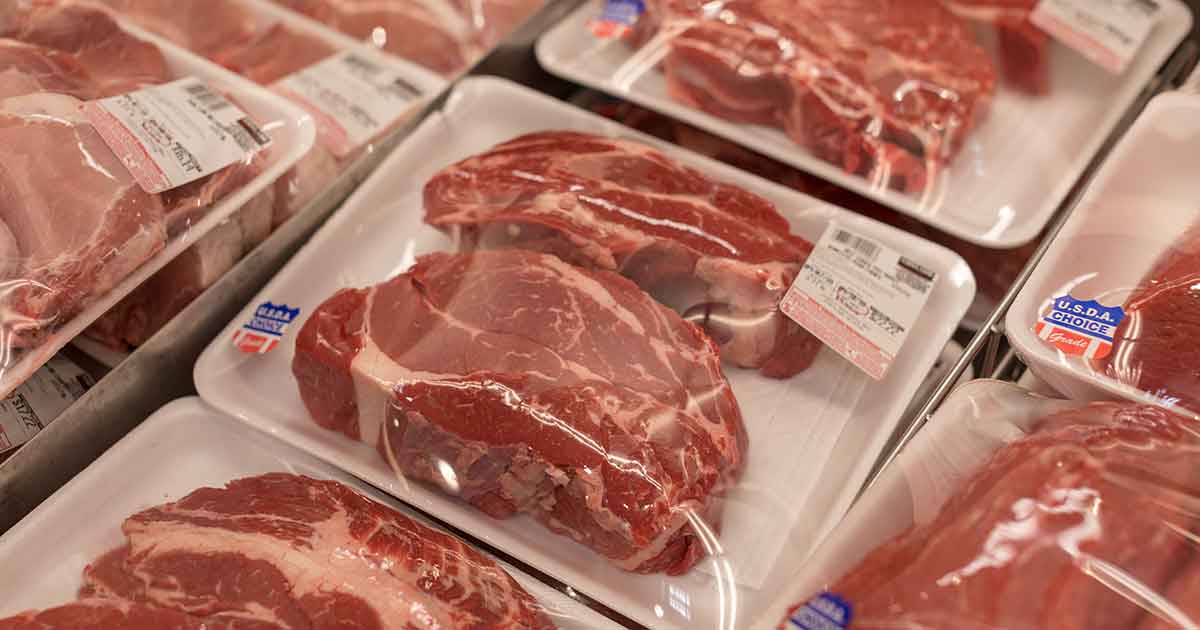
Costco Beef: What You Should Know
Costco can be a game-changer for families and individuals looking to buy in bulk and save money. It’s got convenience, value, and a wide variety of options—but when it comes to meat, especially beef, not every choice in the freezer or meat aisle is a smart one. If you care about what goes on your plate and into your body, knowing the difference between types of beef is crucial. Whether you’re cooking for your family, meal-prepping solo, or just trying to make more informed decisions, here’s a deep dive into what’s behind Costco’s beef.
The Worst: Conventional Beef (Usually Sold in Bulk Deals)
This beef is often stacked in giant packages with an appealing price tag. But the truth behind that bargain is pretty hard to stomach. Conventional beef sold at Costco—or at most large retailers—is typically raised in conditions that compromise not just the animal’s welfare but also the quality of the meat you eat. Most of these cows are raised in concentrated animal feeding operations (CAFOs), also known as feedlots. In these environments, animals live in tight quarters with limited space to roam, increased stress, and high exposure to diseases, far from natural conditions. These cows are often fed genetically modified corn and soy to fatten them up quickly. These grains aren’t part of a cow’s natural diet and throw off the nutritional profile of the meat. Even worse, many of these animals are routinely treated with synthetic hormones like testosterone and estrogen, which are implanted under the skin to boost muscle growth and meat yield. While these practices might make for cheaper meat, they come at a cost to both your health and the environment. Hormone residues and an imbalanced fatty acid profile (think more omega-6, less omega-3) are just the beginning. Over time, these types of meat contribute to inflammation, and in many cases, people eating them regularly may not even realize how their food choices are undermining their overall wellness.
Better, But Not the Best: Organic Beef
At first glance, organic beef might seem like the safe zone. And in some ways, it is a step up. You’re avoiding synthetic hormones and antibiotics, which is a significant win. But organic labeling doesn’t always mean the cow was raised on open pasture or lived the idyllic life you’re picturing. Many organic beef cattle are still feedlot-raised and finished on grain—yes, even if the packaging says “grass-fed.” Unless the label specifically states “100% Grass-Fed” or “Grass-Fed and Grass-Finished,” there’s a good chance those cows were only grass-fed for part of their lives and then switched to grain to fatten them up before slaughter. Grain-finishing, especially with corn and soy, even when organic, still shifts the fatty acid ratios away from the optimal balance you want in your meat. A good beef product should have a higher omega-3 to omega-6 ratio, something that’s harder to achieve when cows are fattened on grains. So while organic beef is cleaner than conventional, it’s not always nutrient-dense or raised humanely and naturally. The takeaway is this: don’t let the “organic” label do all the thinking for you. Read further. Dig into how the animal was raised. Transparency is key.
The Best: 100% Grass-Fed and Grass-Finished Beef at Costco
Now we’re talking. When it comes to meat that genuinely supports your health and aligns with ethical and sustainable farming practices, 100% grass-fed and grass-finished beef is where it’s at. Costco has made some progress in this area, and depending on your location, you might find brands that meet this gold standard. What makes this beef different? First, the cows eat what they’re biologically designed to eat: grass. And they graze freely on pasture, which means they’re not confined to overcrowded lots or pumped full of feed just to bulk them up. These animals aren’t treated with antibiotics or added hormones, which puts this meat in a different league nutritionally. Grass-fed and finished beef is higher in nutrients like vitamin E, beta-carotene, and conjugated linoleic acid (CLA), a fatty acid that supports metabolic and brain health. It also has a more favorable balance of omega-3 to omega-6 fatty acids, which supports heart and brain health and helps lower systemic inflammation. For those paying attention to food quality, this isn’t a luxury—it’s a worthwhile investment in long-term health. The taste is richer, the texture is cleaner, and you can cook it knowing you’re putting something genuinely nourishing on the table.
How to Shop Smart at Costco
The meat aisle can be a confusing place. Terms like “natural,” “grass-fed,” and “organic” get tossed around a lot, but they don’t always mean what you think they do. When you’re at Costco, look for packages that clearly state “100% Grass-Fed and Grass-Finished” and ideally include mention of pasture-raised conditions. Don’t grab the green label or assume that the bulk deal is the best choice for your budget or body. Even among grass-fed options, dig into where the beef comes from. Some brands may source from overseas, where standards can vary. Others might not be certified but still follow excellent regenerative practices. Take a moment to check the label, do a quick search if needed, and decide from a place of knowledge, not impulse. Costco’s size and buying power can be a force for good when used well, but only if shoppers push for quality over quantity.
Final Thoughts
If you care about clean eating, better nutrition, and making mindful decisions around your food, don’t let convenience or price be the only things that guide your meat choices. Not all beef is created equal, and Costco shelves reflect that range. Steer clear of conventional cuts whenever possible. Use caution with organic unless it’s fully transparent about finishing practices. And seek out 100% grass-fed and grass-finished beef whenever you can. Your health, values, and dinner plate will all be better for it.
References:
- Davis H, Magistrali A, Butler G, Stergiadis S. Nutritional Benefits from Fatty Acids in Organic and Grass-Fed Beef. Foods. 2022 Feb 23;11(5):646. doi:10.3390/foods11050646. PMID: 35267281; PMCID: PMC8909876. Available from: https://www.ncbi.nlm.nih.gov/pmc/articles/PMC8909876/
Keep updated on latest posts
-

3 Kids’ Clothing Types I’d Think Twice About at Target
Kids’ clothing seems simple until you start looking at what actually goes into making a garment perform a certain way. A T-shirt can be designed…
-
The Cream Cheese Ingredient You May Want to Rethink
Cream cheese seems like one of those foods that should be simple. Milk, cream, salt, maybe a culture, and that’s about it. But flip over…
-
Could Choosing Different Fruits and Vegetables Support Fertility?
When you’re trying to improve fertility, the conversation usually turns to hormones, supplements, sleep, stress, exercise, alcohol, and overall diet. There’s another piece worth considering,…
-

Ricotta Raspberry Toast: An Easy 5-Minute Breakfast
Some mornings you want something that feels a little special without any actual effort. This is that breakfast. Creamy ricotta, sweet-tart raspberries, and a scatter…
One swap a week
Every week, one small change worth making, why it matters, and where to get it. Two minutes, then back to your life.