
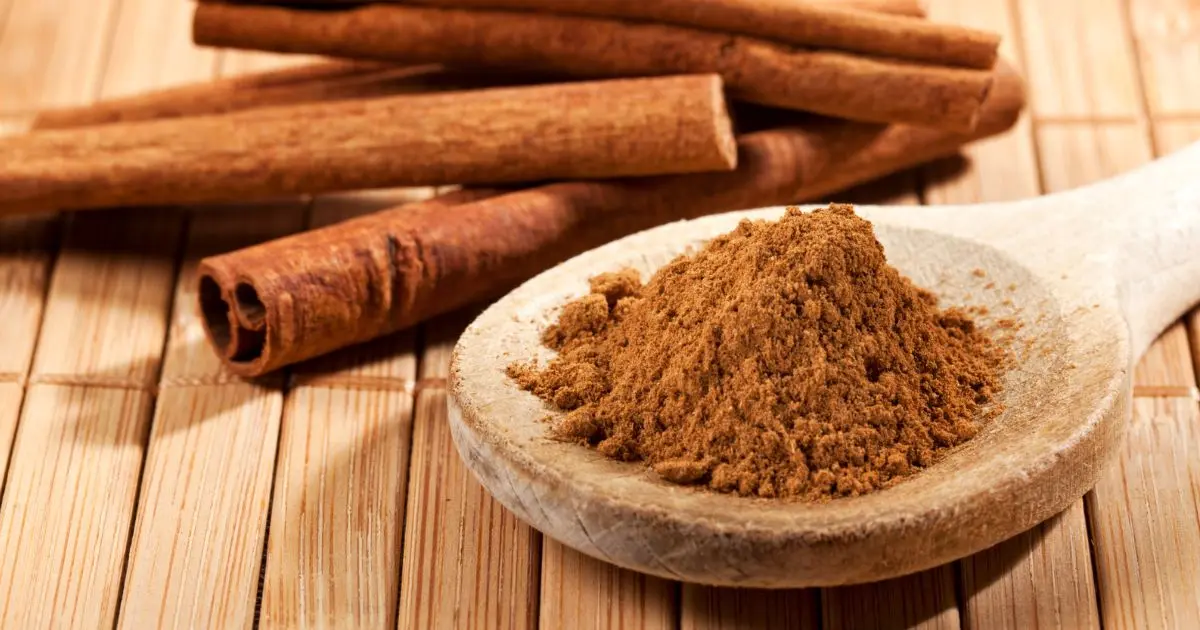
Lead in Cinnamon: Brands to Avoid and Safer Choices
Cinnamon is probably one of the last things you’d expect to find on a list of potentially contaminated foods. It’s in oatmeal, coffee, baked goods, smoothies, and plenty of recipes we make at home. But a Consumer Reports investigation found something concerning: some popular cinnamon powders and spice blends contained elevated levels of lead.
In September 2024, Consumer Reports tested 36 cinnamon products and spice blends containing cinnamon. Twelve products exceeded 1 part per million (ppm) of lead, a threshold New York State uses when evaluating spices for recalls.
As an environmental scientist and a dad, I pay attention to findings like these. Lead exposure is particularly concerning for children, but adults aren’t immune to its effects either. And because cinnamon is something many people use regularly, checking the brand in your spice drawer is worth a few minutes of your time.
Quick Overview
Consumer Reports identified elevated lead levels in several cinnamon powders and spice blends. Here’s what you need to know:
- Lead can affect neurological development, cognitive function, and other aspects of health.
- Children and pregnant women are particularly vulnerable to lead exposure.
- Consumer Reports identified several lower-lead cinnamon options.
- Checking your cinnamon brand and replacing products with elevated lead levels can help reduce unnecessary exposure.
Why Is Lead in Cinnamon a Concern?
Lead is a toxic heavy metal that can accumulate in the body over time. Unlike essential minerals, lead serves no beneficial biological function.
According to research published in the National Library of Medicine, lead exposure can interfere with neurological development, cardiovascular health, kidney function, and other biological processes.
Children are particularly vulnerable because their brains and nervous systems are still developing. Even relatively low blood lead concentrations have been associated with reductions in cognitive performance and learning ability.
A landmark pooled analysis published in Environmental Health Perspectives found an inverse relationship between children’s blood lead concentrations and IQ, including at blood lead levels below 10 micrograms per deciliter.
Adults can also experience health effects from long-term lead exposure, including increased blood pressure and kidney-related problems.
The concern with contaminated cinnamon isn’t necessarily about a single isolated serving. It’s the possibility of repeated exposure through foods consumed regularly.
What Consumer Reports Found in Cinnamon Products
Consumer Reports tested cinnamon powders and spice blends from grocery stores, specialty markets, and online retailers.
The results varied significantly between products. Some contained relatively low concentrations of lead, while others exceeded the 1 ppm threshold New York State uses when assessing spices for recalls.
That threshold is a regulatory action level, not a dividing line between completely safe and unsafe exposure. A product with a concentration below 1 ppm can still contribute to total lead intake.
It’s also important to understand that detecting lead in a spice doesn’t automatically mean someone will develop lead poisoning from a single pinch. Actual exposure depends on the concentration, quantity consumed, frequency of use, and other sources of lead in the diet.
Still, when lower-lead alternatives are available, I don’t see a reason to keep using a product that tested particularly high.
Cinnamon Brands Consumer Reports Says to Throw Away
According to the September 2024 investigation, Consumer Reports recommended avoiding the following products because their lead concentrations exceeded New York State’s threshold.
- Deep Cinnamon Powder
- Badia Cinnamon Powder
- Spicy King Five Spices Powder
- BaiLiFeng Five Spice Powder
- Yu Yee Brand Five Spice Powder
- Three Rivers Cinnamon Stick Powder
- Zara Foods Cinnamon Powder
- Rani Brand Ground Cinnamon
- Bowl & Basket Ground Cinnamon
- Mimi’s Products Ground Cinnamon
- EGN Cinnamon Powder
- Paras Cinnamon Powder
Consumer Reports also reported that EGN and Paras said they would stop selling the affected products and asked retailers to remove them from shelves.
If you have one of these products, check the label carefully and consult current FDA recall information before using it. I would replace any matching product identified in the investigation rather than continue cooking with it.
These findings pertain to products tested in 2024 and shouldn’t be automatically interpreted as evidence that every product currently sold under these brands has the same lead concentration.
Cinnamon Brands That Tested Lower in Lead
Fortunately, the investigation also identified products with substantially lower lead concentrations.
Best Options: Lowest Lead Levels in Consumer Reports Testing
These six products were among the lowest in lead in the September 2024 tests:
- 365 Whole Foods Market Organic Ground Cinnamon
- Sadaf Cinnamon Powder
- Morton & Bassett San Francisco 100% Organic Ground Cinnamon
- Loisa Organic Cinnamon
- 365 Whole Foods Market Ground Cinnamon
- Sadaf Seven Spice
These are the options I’d look at first when replacing cinnamon at home.
Other Cinnamon Products Consumer Reports Considered Okay to Use
The following products were also included among the lower-lead options in the investigation:
- McCormick Cinnamon
- Abido Spices 7 Mixed Spices
- Simply Organic Cinnamon
- Shan Garam Masala Powder
- Natural Plus Green Five Spices Powder
- Wei-Chuan Five Spice Powder
- Penzeys Ground Cinnamon
- Swad Garam Masala Powder
- Morton & Bassett San Francisco Ground Cinnamon
- Penzeys Vietnamese Cinnamon
- Good & Gather Ground Cinnamon
- The Spice Lab Organic Ground Cinnamon
- Trader Joe’s Organic Ground Cinnamon
- Ziyad Brand Premium Seven Spice Blend
- Penzeys Ceylon Cinnamon
- Great Value Ground Cinnamon
- Kirkland Signature Organic Saigon Cinnamon
- Happy Belly Ground Cinnamon
Remember that these classifications reflect the specific samples tested in 2024. They aren’t permanent guarantees about future batches.
Where Does Lead in Cinnamon Come From?
Lead can enter spices at several points between cultivation and packaging.
Plants may absorb lead from contaminated soil, water, or airborne dust. Contamination can also occur during harvesting, drying, grinding, processing, or storage.
In some cases, lead compounds have been deliberately added to food products to alter their appearance or increase weight. The FDA investigated lead chromate adulteration in cinnamon associated with the 2023 recalled cinnamon applesauce products.
However, that doesn’t mean deliberate adulteration caused the elevated lead levels in the Consumer Reports samples. The investigation’s results alone cannot establish the origin of contamination in each product.
Another thing worth knowing is that organic certification doesn’t automatically guarantee a spice is free from heavy metals. Lead is an environmental contaminant, and organic farming standards don’t eliminate every potential source of exposure.
What I Look for When Buying Cinnamon
After reviewing these findings, I would prioritize a few things when shopping for cinnamon.
First, I would check independent testing results rather than assuming a familiar brand is always the safest choice. Second, I would look for manufacturers that provide clear information about sourcing and heavy-metal testing.
I’d also avoid products associated with recalls or elevated contamination findings, even if they’re already sitting in my pantry.
For anyone who uses cinnamon daily in coffee, oatmeal, or smoothies, choosing a lower-lead product is especially worthwhile because repeated exposure matters.
And remember, cinnamon isn’t the only possible dietary source of lead. Reducing exposure wherever practical is more useful than focusing on a single ingredient while overlooking other sources.
Quick Takeaways: Check Your Cinnamon Jar
I use cinnamon regularly, and I know plenty of people who do the same. That’s what makes these findings worth paying attention to. We’re talking about a common kitchen ingredient that can be a recurring source of lead exposure, depending on the product.
Consumer Reports found major differences between brands, including several options with much lower lead concentrations. That’s useful information when you’re standing in the grocery aisle deciding what to buy.
Take a minute to check the cinnamon and spice blends you already have. If a product was identified as having elevated lead levels, replace it with a lower-lead alternative and keep an eye on updated recall notices.
Frequently Asked Questions
Can cinnamon contain lead?
Yes. Lead can enter cinnamon through environmental contamination, processing, or other points in the supply chain. Consumer Reports identified elevated lead concentrations in several cinnamon powders and spice blends in September 2024.
Which cinnamon brands had the lowest lead levels?
In Consumer Reports’ 2024 testing, lower-lead options included 365 Whole Foods Market Organic Ground Cinnamon, Sadaf Cinnamon Powder, Loisa Organic Cinnamon, and Morton & Bassett 100% Organic Ground Cinnamon.
Can a pinch of cinnamon cause lead poisoning?
A single pinch of cinnamon doesn’t automatically cause lead poisoning, even if the product contains elevated lead levels. The risk depends on the amount of lead ingested, frequency of exposure, age, and other factors. Repeated consumption of contaminated products is a particular concern.
Is organic cinnamon free from lead?
Not necessarily. Organic certification doesn’t guarantee that cinnamon is free from environmental contaminants such as lead. Independent heavy-metal testing provides more useful information about contamination levels.
What should I do if I’ve been using contaminated cinnamon?
Stop using the affected product and check current FDA recall information. If you or a child has consumed it regularly, contact a healthcare professional to determine whether blood lead testing is appropriate.
References:
- Lanphear, B. P., et al. (2005). Low-Level Environmental Lead Exposure and Children’s Intellectual Function: An International Pooled Analysis. Environmental Health Perspectives, 113(7), 894–899.PubMed PMID: 16002379.
- Canfield, R. L., et al. (2003). Intellectual Impairment in Children With Blood Lead Concentrations Below 10 µg per Deciliter. New England Journal of Medicine, 348, 1517–1526.PubMed PMID: 12700371.
- Budtz-Jørgensen, E., et al. (2013). An International Pooled Analysis for Obtaining a Benchmark Dose for Environmental Lead Exposure in Children. Risk Analysis, 33(3), 450–461.PubMed PMID: 22924487.
- Crump, K. S., et al. (2013). A Statistical Reevaluation of the Data Used in the Lanphear et al. (2005) Pooled-Analysis That Related Low Levels of Blood Lead to Intellectual Deficits in Children. Critical Reviews in Toxicology, 43(9), 785–799.PubMed PMID: 24040996.
Original Consumer Reports Investigation
Consumer Reports (September 12, 2024). The 12 Cinnamon Powders You Should Never Use.Read the investigation.
Keep updated on latest posts
-
Lead in Cinnamon: Brands to Avoid and Safer Choices
Cinnamon is probably one of the last things you’d expect to find on a list of potentially contaminated foods. It’s in oatmeal, coffee, baked goods,…
-

Your Grocery Bill Is Paying the Price for Food Date Confusion
Think about the last time you cleaned out your refrigerator or pantry. How much food ended up in the trash simply because the date on…
-

5 Everyday Household Habits That Expose You to Chemicals
Some of the most questionable products in our homes are the ones we’ve been using for years without giving them a second thought. Scrambling eggs…
-

Roasted Root Vegetables with Crispy Sage
A caramelized, savory-sweet Thanksgiving side made with a handful of whole ingredients and fresh sage, roasted on one sheet pan with no packaged seasonings Roasted…
One swap a week
Every week, one small change worth making, why it matters, and where to get it. Two minutes, then back to your life.