

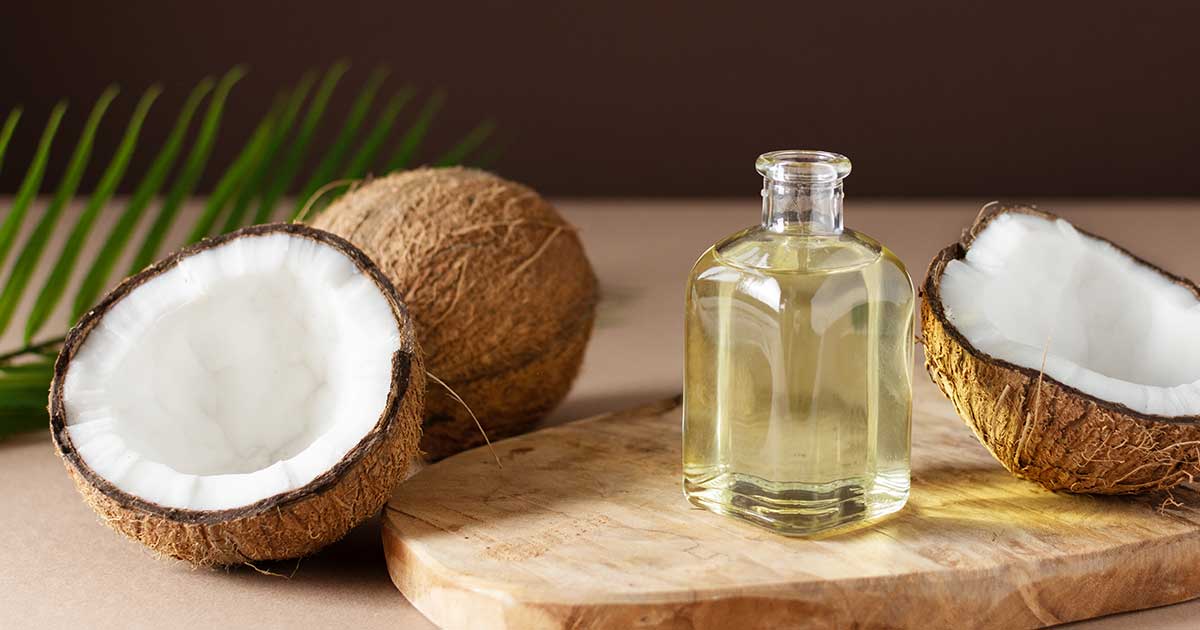
Coconut oil has long been considered a staple in healthy cooking. It’s known for its high smoke point, stable saturated fat content, and versatility in everything from sautéing to baking. Many people have switched to coconut oil as a healthier alternative to seed oils, believing they are making a cleaner choice. However, new testing has revealed that even coconut oil isn’t immune to contamination.
A recent analysis by Mamavation found that all seven coconut oil brands tested contained phthalates, a class of endocrine-disrupting chemicals linked to hormone imbalances, infertility, and metabolic disorders. Some brands contain as much as 1,300 parts per billion (ppb) of phthalates, raising serious concerns about how these toxins are making their way into an otherwise natural product.[1]
Coconut oil has long been marketed as one of the healthiest cooking fats, but if it is contaminated with endocrine-disrupting chemicals, it may not be as safe as previously thought. If you rely on coconut oil in your kitchen, it’s time to take a closer look at what’s really in that jar.
What Are Phthalates and Why Are They Dangerous
Phthalates are a group of chemicals used to soften plastics and increase their flexibility. They are found in everything from food packaging to personal care products, and they have been widely studied for their negative effects on human health.[2] Unlike some chemicals that break down quickly, phthalates persist in the environment and accumulate in the human body over time.
One of the most alarming aspects of phthalates is their ability to interfere with the endocrine system. These chemicals mimic hormones in the body, disrupting normal hormone function and leading to long-term health issues. Research has linked phthalate exposure to:
- Lower testosterone levels in men leading to reduced sperm quality and fertility issues
- Increased risk of infertility in women by disrupting normal ovarian function
- Impaired thyroid function, affecting metabolism and energy levels
- Developmental issues in infants and children exposed in utero
- Increased risk of metabolic disorders, including obesity and insulin resistance
Considering the widespread use of plastic in food production, storage, and packaging, phthalates have become nearly impossible to avoid. However, knowing where they come from and how they end up in food products like coconut oil can help consumers make safer choices.
How Do Phthalates End Up in Coconut Oil
Coconut oil should, in theory, be a pure and natural product. Coconuts grow on trees and do not inherently contain phthalates. However, contamination occurs during manufacturing and storage. The most common ways phthalates end up in coconut oil include:
- Processing Equipment – Many coconut oils are processed using machinery that contains plastic tubing or containers. During high-heat processing, phthalates from plastic components can leach into the oil.
- Plastic Storage Containers – If coconut oil is stored in plastic containers before being packaged, phthalates can migrate from the plastic into the oil, especially when exposed to heat.
- Plastic Packaging – Coconut oil that is sold in plastic jars or bottles is at risk of continued phthalate exposure. Over time, these chemicals can leach into the oil, particularly if the product is exposed to sunlight or stored in warm environments.
- Transportation and Warehousing – During shipping and storage, coconut oil may be exposed to varying temperatures. If stored in plastic containers, the combination of heat and extended contact time increases the likelihood of phthalate contamination.
These contamination points explain why even organic coconut oil is not necessarily free from phthalates. The issue is not with how the coconuts are grown but with how they are processed and stored before reaching consumers.
Which Coconut Oil Brands Are the Least and Most Contaminated
Mamavation’s recent testing of coconut oils ranked brands based on their levels of phthalate contamination. The study found that some brands had significantly lower contamination levels than others, suggesting that certain manufacturing processes are safer than others.
Among the brands tested, Dr. Bronner’s coconut oil contained the lowest levels of phthalates, making it one of the safest options currently available. Other brands showed varying levels of contamination, with some reaching levels as high as 1,300 ppb.
While the full list of tested brands has not been published widely, the findings emphasize the need for consumers to be selective when purchasing coconut oil. Choosing brands that use glass packaging and transparent processing methods can help reduce the risk of exposure.
How to Choose a Safer Coconut Oil
Although phthalate contamination is concerning, there are steps consumers can take to minimize exposure when selecting coconut oil. Here are a few key strategies for choosing a cleaner product:
- Opt for organic cold-pressed coconut oil – Cold-pressed oils are extracted without high heat, reducing the likelihood of phthalate contamination from processing equipment. Expeller-pressed oils, on the other hand, are exposed to more heat and may be at greater risk.
- Choose glass packaging over plastic – Coconut oil stored in glass is less likely to be contaminated than oil stored in plastic. Glass is non-porous and does not leach chemicals, making it a much safer option for food storage.
- Look for brands with transparent sourcing and testing – Some companies provide detailed information about their processing methods and conduct third-party testing to ensure purity. Brands that disclose their quality control measures are more likely to be committed to reducing contamination risks.
- Store coconut oil properly – Even if you purchase coconut oil in plastic packaging, transferring it to a glass container can help limit further exposure. Keeping it in a cool, dark place will also prevent potential leaching from the packaging.
Is Coconut Oil Still a Healthy Choice
Coconut oil remains a beneficial fat for cooking, skincare, and supplementation when sourced properly. It contains medium-chain triglycerides (MCTs), which provide a quick source of energy and support brain function. It is also one of the most stable oils for cooking at high temperatures, reducing the risk of oxidation and harmful free radicals.
However, the presence of phthalates in some coconut oil brands raises concerns that should not be ignored. Consumers should be aware that just because a food product is considered healthy does not mean it is free from contamination. In today’s industrial food system, extra care must be taken to ensure that even the cleanest foods remain truly clean.
Final Thoughts
Coconut oil has earned its reputation as a health food, but recent testing has shown that contamination is a growing concern. Phthalates, known for their hormone-disrupting effects, have been found in all tested brands, with some containing alarmingly high levels. This contamination occurs during manufacturing, storage, and packaging, making it essential for consumers to choose brands that prioritize purity.
Opting for organic, cold-pressed coconut oil in glass packaging is one of the best ways to reduce exposure to these hidden toxins. Brands like Dr. Bronner’s have been shown to contain the lowest contamination levels, making them a safer choice.
The health benefits of coconut oil remain, but only if it is sourced and stored properly. Researching and selecting the cleanest options ensures that this kitchen staple remains a true health food rather than a hidden source of toxins. Before reaching for that jar of coconut oil, take a moment to check the packaging and brand. Small choices like these add up to big improvements in reducing everyday toxic exposure.
References:
- Segedie, Leah. “Coconut Oils Tested for Toxic Phthalates — Buying Guide.” MAMAVATION, 11 June 2024, https://www.mamavation.com/food/coconut-oils-tested-for-toxic-phthalates.html.
- Wang, Yufei, and Haifeng Qian. “Phthalates and Their Impacts on Human Health.” Healthcare, vol. 9, no. 5, May 2021, p. 603.


