
Safer Spring Gardening Made Simple
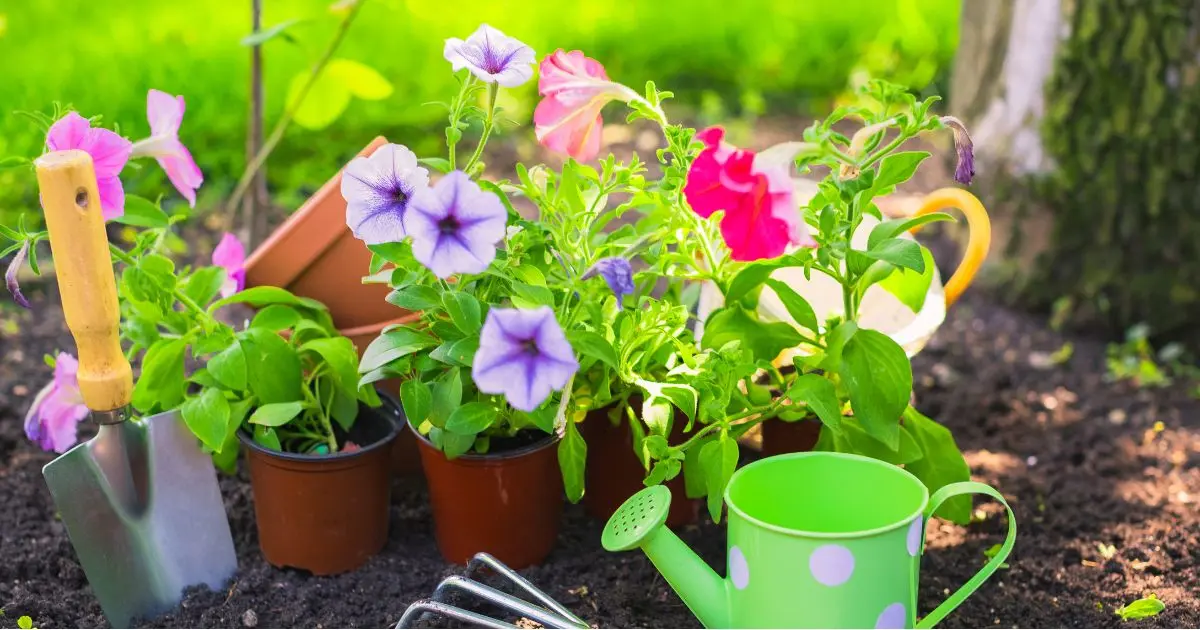
Spring has a way of resetting priorities. Windows open. Light shifts. You start noticing the stale corners of winter and feel the urge to grow something living. Whether you have acreage, a modest suburban yard, or a small apartment balcony, spring gardening is one of the most practical ways to lower your toxic load, improve food quality, and reconnect with how things actually grow.
A few containers of herbs or a single raised bed can shift your food, your air quality, and even your immune resilience. The key is approaching gardening intentionally, starting with the soil and working upward.
Start with Organic Soil as the Foundation
Healthy plants begin with healthy soil. That sounds obvious, but most bagged soils at big-box stores contain synthetic fertilizers, wetting agents, or even biosolids derived from sewage sludge. Those inputs may boost short-term growth, but they don’t build long-term soil biology. Certified organic potting soil avoids synthetic fertilizers and pesticide residues. Instead, it relies on compost-rich blends, worm castings, aged forest products, and natural mineral amendments.
Soil isn’t just dirt. It’s a living ecosystem of fungi, bacteria, protozoa, and organic matter working together to deliver nutrients to plant roots. When you feed soil biology instead of forcing plant growth with chemical boosters, you get stronger root systems, better water retention, and more nutrient-dense produce. If you’re growing food, soil quality is non-negotiable.
Start Seedlings Indoors Before the Season Peaks
Spring gardening begins before the last frost. Starting seedlings indoors gives you control over early growth and avoids exposing young plants to unpredictable weather. Tomatoes, peppers, basil, and many herbs benefit from an early start in seed trays near a sunny window. Use a clean seed-starting mix rather than heavy garden soil, which can compact in small cells. Avoid treated seeds whenever possible, as conventional seed coatings may contain fungicides or other chemical protectants.
Once seedlings develop strong root systems and outdoor temperatures stabilize, they transition more successfully into garden beds or containers. Starting indoors also allows you to select heirloom or organic seed varieties that aren’t always available as nursery transplants. That control matters if your goal is to reduce chemical inputs from the beginning of the plant’s life cycle.
Raised Beds Offer Control and Efficiency
If you have even a small yard, raised beds are one of the most effective upgrades you can make. They improve drainage, reduce weed pressure, and let you fully control the soil composition. Instead of inheriting whatever compacted or chemically treated soil came with the property, you build your own growing environment from the ground up. A simple 4×4 raised bed can produce a surprising amount of food if planted intentionally.
Leafy greens, radishes, carrots, herbs, and compact tomato varieties all thrive in controlled soil. Raised beds also warm faster in spring, extending your growing season. When soil drains well and remains biologically active, plant stress decreases, and pest pressure often follows. Healthier plants are naturally more resilient, which reduces the need for chemical interventions later.
Window Boxes Make Food Production Possible Anywhere
No yard doesn’t mean no garden. Window boxes and balcony planters can produce a steady supply of lettuce, arugula, microgreens, and herbs. South-facing exposure provides the strongest light, but many greens tolerate partial sun. Containers require attentive watering because they dry out faster than in-ground beds, but they also give you complete control over soil quality.
Urban environments often expose residents to higher levels of air pollution and environmental stressors. Growing even small amounts of food at home adds freshness and reduces reliance on long supply chains. A handful of homegrown herbs cut minutes before a meal contain volatile compounds and nutrients that begin to degrade soon after harvest. Even in a high-rise setting, that proximity changes the nutritional equation.
Vertical Growing Maximizes Limited Space
Vertical growing systems are practical for patios, decks, and compact suburban lots. Plant towers or stacked planters allow you to grow strawberries, greens, and herbs without expanding your footprint. They improve airflow around plants and make harvesting easier. When space is limited, thinking vertically transforms what’s possible. Instead of viewing a small patio as restrictive, you treat it as a structured growing environment. Vertical systems also make it easier to monitor soil moisture and plant health because everything is at eye level. Efficient space use means more fresh food without sacrificing square footage for recreation or daily living.
Indoor Plants Support Air Quality and Stress Reduction
Spring gardening doesn’t have to stay outdoors. Adding hardy indoor plants improves air quality and creates a sense of calm in your home. Snake plants, botanically known as Sansevieria, are resilient, low-maintenance, and tolerant of low light. Research, including work supported by organizations such as NASA, has explored the capacity of certain houseplants to filter indoor air pollutants under controlled conditions. While no plant can replace proper ventilation, living greenery contributes to a healthier indoor environment and encourages more mindful air-quality habits. Bedrooms, living spaces, and home offices benefit from natural elements that moderate dryness and introduce subtle humidity. Cleaner air, paired with natural aesthetics, supports mental clarity and focus, which matter as much as physical health.
Soil Exposure and the Human Microbiome
One overlooked benefit of gardening is direct contact with soil. Modern life has dramatically reduced human interaction with diverse environmental microbes. Soil contains organisms that interact with the human microbiome and immune system. While hygiene matters, complete avoidance of natural microbial exposure may not be beneficial. Occasionally, working bare-handed in the garden connects you with that microbial diversity. Exposure to soil-based organisms has been associated with immune regulation and reduced inflammatory responses in some studies. Gardening is one of the simplest ways to restore that contact. A container garden offers the same tactile experience. Engaging directly with soil recalibrates how we think about cleanliness versus sterility. Not all microbes are threats. Many are part of a balanced ecosystem that includes us.
Reducing Chemical Inputs from the Start
A non-toxic garden minimizes the use of synthetic pesticides, herbicides, and fertilizers. That doesn’t mean ignoring pest management; it means prioritizing prevention through soil health, crop rotation, companion planting, and physical barriers like netting. Healthy soil produces more vigorous plants that are naturally more resistant to disease. Hand-pulling weeds in small gardens is often manageable and eliminates the need for herbicide sprays. Composting kitchen scraps returns nutrients to the soil. Each small decision compounds over the course of a season.
Growing Food Changes How You Shop and Eat
When you grow even a portion of your own herbs or vegetables, grocery shopping shifts. You become more aware of seasonality. You recognize the difference between freshly harvested produce and items shipped long distances. You waste less because you harvest what you need. The act of tending plants builds observational skills that carry into other areas of health. You notice soil moisture, leaf color, and sun patterns. That awareness translates into a more intentional approach to food overall.
Organic soil, clean seeds, controlled growing environments, and reduced chemical inputs create a foundation that supports both plant health and human health. Whether you’re filling acres or a single window box, the process reconnects you to something steady and biological in a world that often feels synthetic.
References:
- Panțiru, I., Ronaldson, A., Sima, N., Dregan, A., & Sima, R. (2024). The impact of gardening on well-being, mental health, and quality of life: An umbrella review and meta-analysis. Systematic Reviews, 13(1), 45.https://doi.org/10.1186/s13643-024-02457-9
- Han KT, Ruan LW, Liao LS. Effects of Indoor Plants on Human Functions: A Systematic Review with Meta-Analyses. Int J Environ Res Public Health. 2022;19(12):7454. Published 2022 Jun 17. doi:10.3390/ijerph19127454. PMID: 35742700; PMCID: PMC9224521.
- Han KT. Editorial: Effects of indoor plants on well-being. Front Psychol. 2024;15:1483441. Published 2024 Sep 19. doi:10.3389/fpsyg.2024.1483441. PMID: 39364087; PMCID: PMC11446772.
- Kačergius, A., Gegeckas, A., & Gudiukaitė, R. (2025). Recent advances in soil health: Influences of organic carbon and microbiota. Biology, 14(5), 500.https://doi.org/10.3390/biology14050500
Keep updated on latest posts
-

Best Coffee Creamers at Target: Cleanest Options
If you are buying coffee creamer at Target, the ingredient list matters more than the pretty packaging on the front of the bottle. I went…
-
3 Ways I Use Thyme for Coughs and Colds Every Fall
When fall rolls around, and coughs, congestion, and sore throats start making their way through the house, I reach for an herb that has been…
-
Can Rosemary Aroma Improve Memory and Focus?
Rosemary is usually thought of as something you throw into a pan with potatoes, chicken, or vegetables. But this familiar herb may have another interesting…
-

Homemade Chicken Feet Bone Broth for Dogs
A collagen-rich, joint-supporting bone broth made with two ingredients — safe, simple, and something your dog will genuinely go crazy for Chicken feet bone broth…
One swap a week
Every week, one small change worth making, why it matters, and where to get it. Two minutes, then back to your life.