
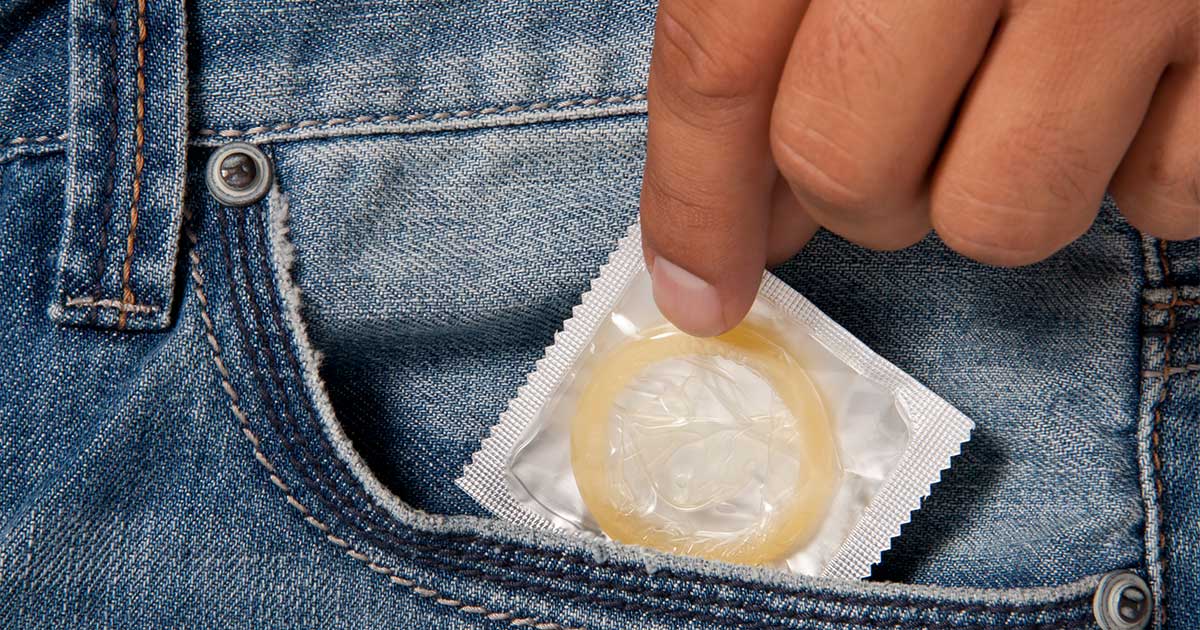
The Lowdown on Condoms: A Guide to Going Non-Toxic
Let’s chat about something that might not make it to the dinner table conversation tonight but definitely deserves a spot in the family playbook: condoms. Yep, you guessed it: we’re diving into the world of condoms. But not just any condoms—we’re talking about the switch to natural and organic options. Why? Because what we use matters, not just for our health but for our planet too.
The Sticky Situation with Standard Condoms
So, you might think a condom is just a condom, right? Well, it turns out there’s a bit more to the story. Those little packets can pack some not-so-great stuff inside. Let’s break it down:
Spermicides in Condoms: More Bane Than Boon?
First off, many condoms come with spermicides like Nonoxynol-9. Sure, they’re there to up the protection game, but they can also irritate and cause more problems than they solve. Kinda like using a sledgehammer to crack a nut.
Lubricants: Slippery Slopes
Then there’s the lube. Necessary? Absolutely. But the parabens in many lubricants are like uninvited guests at your hormonal party—messing with the natural balance and potentially leading to some serious health hiccups.
Desensitizing Agents: A Double-Edged Sword
And for those looking to extend the playtime, desensitizing agents might seem like the MVP, but they can leave some folks with more “ouch” than “oh!” Not exactly the goal, right?
Condoms Flavorings: Not So Sweet After All
Flavored condoms? Fun idea, but when they’re packed with glycerin, they can turn a sweet moment sour by throwing off the body’s natural harmony. It’s like adding too much sugar to your favorite recipe—no one’s a fan of that aftertaste.
Forever Chemicals: Guests That Never Leave
Last up, we’ve got the forever chemicals. These are the tough-to-say-goodbye-to additives that stick around way longer than they’re welcome, potentially leading to a whole host of health issues. Think of it as the gum stuck on your shoe that just won’t quit.
Making the Switch to Natural and Organic Condoms: Why It Matters
Kind to You, Kind to the Planet
Going natural means saying goodbye to those uninvited chemical guests. It’s about making a choice that’s good for you and kinder to the Earth. Imagine if your favorite superhero wore green not just for the look but to save the planet—one condom at a time.
Peace of Mind
Using natural and organic options gives you peace of mind, knowing you’re not compromising your health or your principles. It’s like choosing the organic apples at the store—you feel better just knowing they’re free from all that extra stuff you didn’t ask for.
Supporting the Good Guys
By choosing organic condoms, you’re voting with your wallet for sustainable practices and healthier options. It’s a high-five to the companies working hard to make products that don’t just do the job but do it responsibly.
Wrapping It Up (No Pun Intended!)
So, there you have it—a simple guide to making a switch that’s not just smart but feels right, especially when it comes to condoms. Whether you’re looking to make healthier choices for yourself or just curious about what’s out there, going natural is a step in the right direction. And hey, it’s all about making sure those intimate moments are as worry-free as possible, so you can focus on what really matters: connecting, laughing, and sharing life with the ones you love. After all, isn’t that what it’s all about?
References:
- Wilkinson, D et al. “Nonoxynol-9 for preventing vaginal acquisition of HIV infection by women from men.” The Cochrane database of systematic reviews vol. 2002,4 (2002): CD003936. doi:10.1002/14651858.CD003936
- Fichorova, R N et al. “The molecular basis of nonoxynol-9-induced vaginal inflammation and its possible relevance to human immunodeficiency virus type 1 transmission.” The Journal of infectious diseases vol. 184,4 (2001): 418-28. doi:10.1086/322047
- Engeli, Roger T et al. “Interference of Paraben Compounds with Estrogen Metabolism by Inhibition of 17β-Hydroxysteroid Dehydrogenases.” International journal of molecular sciences vol. 18,9 2007. 19 Sep. 2017, doi:10.3390/ijms18092007
- Hager, Emily et al. “Minireview: Parabens Exposure and Breast Cancer.” International journal of environmental research and public health vol. 19,3 1873. 8 Feb. 2022, doi:10.3390/ijerph19031873
- Hegedus, Frederick, and Kathleen Herb. “Benzocaine-induced methemoglobinemia.” Anesthesia progress vol. 52,4 (2005): 136-9. doi:10.2344/0003-3006(2005)52[136:BM]2.0.CO;2
- Łaniewski, Paweł et al. “Clinical and Personal Lubricants Impact the Growth of Vaginal Lactobacillus Species and Colonization of Vaginal Epithelial Cells: An in Vitro Study.” Sexually transmitted diseases vol. 48,1 (2021): 63-70. doi:10.1097/OLQ.0000000000001272
- Fenton, Suzanne E et al. “Per- and Polyfluoroalkyl Substance Toxicity and Human Health Review: Current State of Knowledge and Strategies for Informing Future Research.” Environmental toxicology and chemistry vol. 40,3 (2021): 606-630. doi:10.1002/etc.4890
Keep updated on latest posts
-

3 Kids’ Clothing Types I’d Think Twice About at Target
Kids’ clothing seems simple until you start looking at what actually goes into making a garment perform a certain way. A T-shirt can be designed…
-
The Cream Cheese Ingredient You May Want to Rethink
Cream cheese seems like one of those foods that should be simple. Milk, cream, salt, maybe a culture, and that’s about it. But flip over…
-
Could Choosing Different Fruits and Vegetables Support Fertility?
When you’re trying to improve fertility, the conversation usually turns to hormones, supplements, sleep, stress, exercise, alcohol, and overall diet. There’s another piece worth considering,…
-

Ricotta Raspberry Toast: An Easy 5-Minute Breakfast
Some mornings you want something that feels a little special without any actual effort. This is that breakfast. Creamy ricotta, sweet-tart raspberries, and a scatter…
One swap a week
Every week, one small change worth making, why it matters, and where to get it. Two minutes, then back to your life.