
How to Use Rosemary and Thyme Beyond Cooking
Rosemary and thyme are easy to overlook precisely because they’re so familiar. Most people think of them as something you throw into a roast, soup, or sauce and move on. But both herbs contain naturally occurring compounds that have been studied for their antioxidant and antimicrobial properties, and there are more ways to use them than most people ever try.
Rosemary is particularly rich in carnosic acid and rosmarinic acid. Thyme contains thymol, a plant compound with well-documented antimicrobial activity. Thyme has also been studied for respiratory support, including research into its use for cough symptoms.
Here’s how I actually use them.
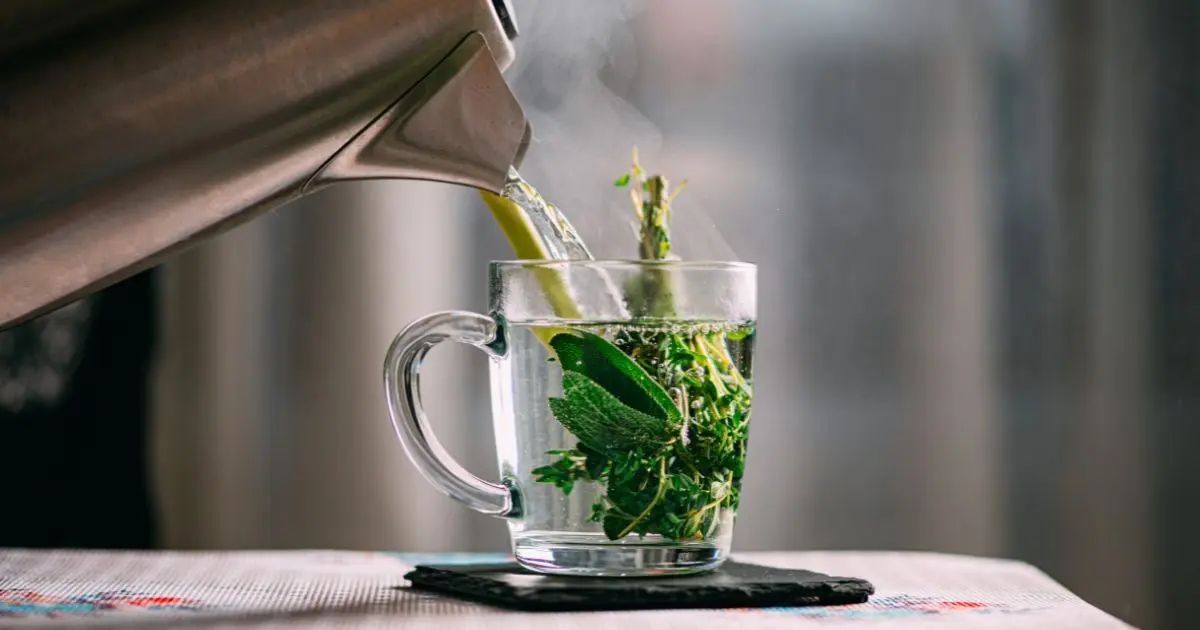
Make Rosemary and Thyme Tea
One of the easiest ways to use both herbs is a simple herbal infusion. Fresh or dried rosemary and thyme steeped in hot water make a pleasant, aromatic tea with none of the additives, bleached paper, or plastic mesh found in many commercial tea bags.
How to make it:
- Add fresh or dried rosemary and thyme to a stainless steel French press or tea ball
- Pour in hot water (just off the boil works well)
- Steep for 5–10 minutes, depending on how strong you want it
- Press or strain and pour
A French press is ideal for making more than one cup at a time. A stainless steel tea ball works well for a single serving. I prefer stainless steel over plastic infusers for the same reason I prefer it elsewhere in the kitchen: it’s a simple, durable material that doesn’t add anything to what you’re drinking.
Infuse Honey With Thyme
Honey and thyme are a classic combination, especially during cold and cough season. A simple thyme-infused honey is one of the easiest preparations you can make and has a genuinely useful place in the kitchen.
How to make it:
- Gently warm raw honey in a small saucepan over low heat; don’t boil it
- Add several sprigs of fresh thyme
- Allow the herbs to infuse for 2–4 hours on the lowest possible heat, or simply let them sit at room temperature overnight
- Remove the thyme sprigs and transfer to a clean glass jar
Use it in tea, on toast, or by the spoonful when your throat feels scratchy. The thyme compounds infuse into the honey during the process without requiring high heat that would damage the raw honey’s natural properties.
Important: honey should never be given to children under one year old due to the risk of infant botulism.
Crush the Herbs Before Using Them
This small step is one most people skip, and it makes a real difference.
Fresh rosemary and thyme leaves retain their aromatic oils within the plant’s structure. Lightly crushing them with a mortar and pestle before using, whether for tea, cooking, a bath, or a steam, breaks up the plant material and releases more of those oils into whatever you’re adding them to.
A granite or stainless steel mortar and pestle is ideal. Both materials are durable, easy to clean, and don’t absorb strong herbal smells the way some softer materials do. It’s a simple tool that can genuinely improve how you use dried and fresh herbs across multiple applications.
Use the Herbs Aromatically When You’re Congested
When you’re stuffed up, a simple herbal steam can bring real relief. Add a handful of fresh rosemary and thyme to a pot of steaming water, lean over it with a towel draped over your head, and breathe deeply for 5-10 minutes.
The warm steam carries thymol and cineole, natural compounds found in these herbs, straight into your sinuses and airways. It’s an easy, inexpensive way to open things up using ingredients you may already have in your kitchen.
A few tips:
- Use fresh herbs if you can, since they release more of their aroma into the steam.
- Keep your face a comfortable distance from the water, and take a break if it feels too hot.
- Let the pot sit for a minute after removing it from the heat so the steam isn’t scalding.
- Keep little ones away from the hot pot, and always supervise.
If congestion lingers or is accompanied by other serious symptoms, check in with your doctor.
Add Sprigs to the Bath or a Foot Soak
Fresh rosemary and thyme sprigs in a warm bath or foot soak make an ordinary routine feel noticeably more restorative. The herbs release their natural aroma as they sit in the warm water, and the process couldn’t be simpler.
A foot soak with a handful of fresh thyme sprigs, warm water, and a little sea salt is one of those things that costs almost nothing and takes five minutes to set up. It’s a practical example of what low-tox living actually looks like in practice, using what you already have, simply.
Grow Your Own
The easiest way to have rosemary and thyme consistently available is to grow them yourself. Neither herb requires a backyard or a garden; both grow well in containers on a sunny windowsill.
Growing your own means:
- Fresh sprigs whenever you need them
- No plastic-wrapped produce packaging
- Herbs you can use for cooking, tea, infusions, and baths without buying anything extra
Both plants are relatively low-maintenance once established. Rosemary prefers drier conditions; thyme is similarly drought-tolerant. A small terra cotta pot and a sunny window are often enough to get started.
Having a live plant in the kitchen also creates a visible, daily reminder that some of the most useful things you can keep around don’t come in a bottle with a wellness claim on the label.
Frequently Asked Questions
What are the health benefits of rosemary and thyme? Rosemary contains carnosic acid and rosmarinic acid, compounds that have been studied for their antioxidant properties. Research has also investigated rosemary’s potential for supporting circulation and cognitive function. Thyme contains thymol, a plant compound with well-documented antimicrobial activity that has been studied in research on cough and respiratory symptoms. Both herbs are food-safe, widely used, and have long histories of traditional use. They’re useful additions to a healthy diet and routine, but are not replacements for medical care.
How do you make rosemary and thyme tea? Add fresh or dried rosemary and thyme to a stainless steel French press or tea ball, pour in hot water, and steep for 5–10 minutes. Press or strain and pour. Using a stainless steel infuser rather than bleached paper tea bags or plastic mesh keeps the preparation simple and avoids introducing unnecessary materials into what you’re drinking. Both fresh and dried herbs work, though fresh sprigs, lightly crushed beforehand, release more of their natural oils.
What is thyme-infused honey good for? Thyme-infused honey combines two traditionally used ingredients, honey and thyme, and is particularly popular during cold and cough season. Thyme contains thymol, which has documented antimicrobial properties. Raw honey has its own long history of use for soothing throat irritation. The infused honey can be added to tea, taken by the spoonful, or used on food. Never give honey to children under one year old due to the risk of infant botulism.
How do I use rosemary and thyme for steam inhalation? Add a handful of fresh rosemary and thyme to a pot of steaming water, lean over it with a towel draped over your head, and breathe deeply for 5-10 minutes. The warm steam carries thymol and cineole, natural compounds found in these herbs, straight into your sinuses and airways, which can feel soothing when you’re congested. Keep your face a comfortable distance from the water, take a break if it gets too hot, and keep children away from the hot pot. If congestion lingers or is accompanied by other serious symptoms, check in with your doctor.
Can you grow rosemary and thyme indoors? Yes. Both herbs grow well in containers and can thrive on a sunny windowsill with adequate light. Rosemary prefers slightly drier conditions and good drainage. Thyme is similarly drought-tolerant and low-maintenance once established. Growing your own provides fresh sprigs on demand for cooking, tea, baths, or infusions, without plastic packaging or repeated trips to the grocery store. A small container and a sunny window are typically enough to start.
How do you use a mortar and pestle for herbs? Place fresh or dried rosemary or thyme leaves in the mortar and press down with the pestle using a light grinding or crushing motion. This breaks up the plant material and releases the natural aromatic oils held within the leaf structure, making them more available when added to tea, cooking, or a bath. Granite and stainless steel mortar and pestle sets are the most practical choices: both are durable, easy to clean, and don’t retain strong herbal smells between uses.
References
- Hammoudi Halat, D., Krayem, M., Khaled, S., & Younes, S. (2022). A focused insight into thyme: Biological, chemical, and therapeutic properties of an indigenous Mediterranean herb. Nutrients, 14(10), 2104.https://doi.org/10.3390/nu14102104
- Ghasemzadeh Rahbardar, M., & Hosseinzadeh, H. (2020). Therapeutic effects of rosemary (Rosmarinus officinalis L.) and its active constituents on nervous system disorders. Iranian Journal of Basic Medical Sciences, 23(9), 1100–1112. https://doi.org/10.22038/ijbms.2020.45269.10541. PMID: 32963731 | PMCID: PMC7491497
- Veenstra, J.P., & Johnson, J.J. (2021). Rosemary (Salvia rosmarinus): Health-promoting benefits and food preservative properties. International Journal of Nutrition, 6(4), 1–10. Published online June 24, 2021. PMID: 34651071 | PMCID: PMC8513767
Keep updated on latest posts
-
Rosemary & Thyme Immune-Boosting Infusion
A warming daily infusion made with two of the most research-backed immune-supporting herbs — ready in 10 minutes, no special equipment required Rosemary and thyme…
-
How to Use Rosemary and Thyme Beyond Cooking
Rosemary and thyme are easy to overlook precisely because they’re so familiar. Most people think of them as something you throw into a roast, soup,…
-

Best Coffee Creamers at Target: Cleanest Options
If you are buying coffee creamer at Target, the ingredient list matters more than the pretty packaging on the front of the bottle. I went…
-
3 Ways I Use Thyme for Coughs and Colds Every Fall
When fall rolls around, and coughs, congestion, and sore throats start making their way through the house, I reach for an herb that has been…
One swap a week
Every week, one small change worth making, why it matters, and where to get it. Two minutes, then back to your life.