
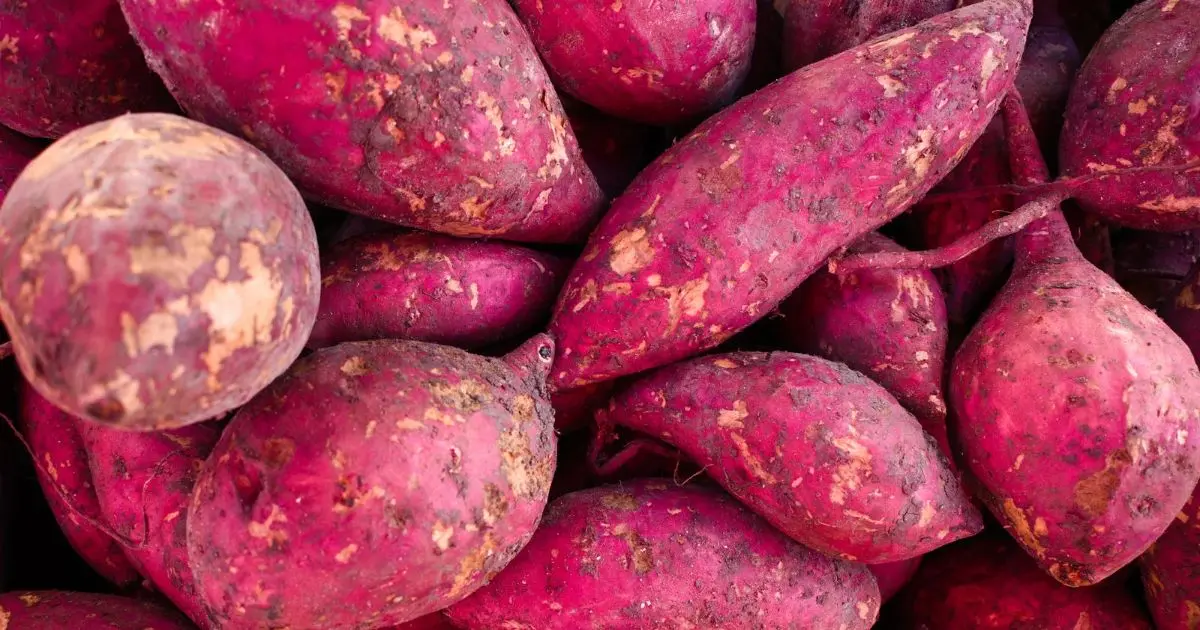
Purple Potatoes: Health Benefits and Antioxidants
Most people walk right past purple potatoes at the grocery store because they assume they’re just regular potatoes with a different color. But that deep purple flesh contains something worth paying attention to, and a Penn State study gave me another reason to add them to my cart.
As an environmental scientist and a dad, I’m always looking for simple foods that offer more than basic nutrition. Purple potatoes contain powerful plant compounds called anthocyanins, along with chlorogenic acid, both of which have been studied for their antioxidant and anti-inflammatory properties.
And there’s some fascinating early research suggesting these colorful potatoes may have benefits that go well beyond what most people expect from a potato.
Quick Overview: Why Purple Potatoes Are Worth Eating
- Purple potatoes contain anthocyanins, the same family of antioxidants found in blueberries.
- They’re rich in chlorogenic acid, a plant compound studied for its antioxidant and anti-inflammatory activity.
- A Penn State study found that purple potato compounds affected colon cancer stem cells in laboratory experiments.
- Mice fed baked purple potatoes developed fewer intestinal tumors in the study.
- Purple potatoes provide fiber, potassium, and other nutrients found in whole potatoes.
- Baking or roasting them is an easy way to add these beneficial plant compounds to everyday meals.
What Makes Purple Potatoes Different From Regular Potatoes?
Purple potatoes get their distinctive color from anthocyanins, naturally occurring pigments found in purple, blue, and red plant foods. These compounds belong to a larger group of plant chemicals called polyphenols, which are being studied for their roles in oxidative stress and inflammation.
Regular white and yellow potatoes provide valuable nutrients, including potassium and vitamin C. Purple potatoes offer many of the same nutrients and also provide additional anthocyanins, which are responsible for their vibrant color.
That’s what makes them interesting to me. You’re still eating a familiar, affordable food, but you’re getting a different combination of plant compounds without having to change what you’re cooking completely.
Anthocyanins: The Antioxidants Behind the Purple Color
Anthocyanins are the same family of pigments found in blueberries, blackberries, purple cabbage, and other deeply colored foods. Laboratory research suggests they can interact with pathways involved in oxidative stress and inflammatory signaling.
Oxidative stress occurs when reactive molecules accumulate beyond the body’s ability to regulate them. Over time, excessive oxidative activity can damage cellular components, which is why researchers are interested in the antioxidant properties of plant foods.
Purple potatoes provide a whole-food source of anthocyanins, making them an easy addition to a diet rich in colorful fruits and vegetables.
The Penn State Study on Purple Potatoes and Colon Tumors
One of the most interesting studies on purple potatoes was published in the Journal of Nutritional Biochemistry in 2015 by Charepalli and colleagues. Researchers investigated how compounds from purple potatoes influenced cells involved in colon tumor development.
The study included laboratory experiments using colon cancer stem cells, as well as experiments in mice. Cancer stem cells are of particular interest because they can contribute to tumor growth and the persistence of cancer cells.
What Happened in the Laboratory?
Researchers exposed colon cancer stem cells to purple potato extracts and examined their effects on cell survival. The extracts increased apoptosis, a process of programmed cell death that helps the body remove damaged or abnormal cells.
The researchers also observed changes in signaling pathways associated with cancer stem cell activity. These findings suggested that compounds in purple potatoes could influence biological processes involved in tumor development.
What Happened When Mice Ate Purple Potatoes?
The researchers also investigated what happened when mice consumed baked purple potatoes as part of their diet. The animals developed fewer intestinal tumors compared with the relevant control group.
What makes this study especially interesting is that the researchers used whole baked purple potatoes rather than relying exclusively on isolated compounds. This helped examine how the food itself might influence biological activity.
The researchers discussed a human-equivalent intake of approximately one large purple potato per day. That provides useful context for the amount studied, although it isn’t an established human dosage for preventing cancer.
What Does This Research Mean for Humans?
The findings are promising, but the study was conducted using cells and mice, not human clinical trials. It doesn’t establish that eating purple potatoes prevents or treats colon cancer in people.
What it does show is that the compounds naturally present in these potatoes deserve further investigation. For me, it’s another reminder that everyday foods contain biologically active substances that researchers are still learning about.
Purple Potatoes and Their Antioxidant Benefits
The Penn State findings aren’t the only reason purple potatoes deserve attention. Their anthocyanin and phenolic acid content make them an interesting source of dietary antioxidants.
These plant compounds can participate in chemical reactions that help neutralize reactive molecules under laboratory conditions. Researchers are also investigating how they interact with cellular signaling pathways involved in oxidative balance.
Chlorogenic Acid: Another Important Plant Compound
Purple potatoes also contain chlorogenic acid, a polyphenol found in foods such as coffee, apples, and potatoes. Chlorogenic acid has been studied for antioxidant activity and potential effects on inflammatory and metabolic pathways.
The amount present in potatoes depends on the variety, growing conditions, storage, and preparation method. Eating purple potatoes provides exposure to this compound as part of a whole food.
This combination of anthocyanins and chlorogenic acid is one reason I like including purple potatoes in meals. They’re a simple way to increase the variety of plant compounds on the plate.
Other Nutritional Benefits of Purple Potatoes
Purple potatoes aren’t just about antioxidants. Like other potatoes, they provide carbohydrates for energy, potassium for normal muscle and nerve function, and vitamin C, which contributes to normal immune function.
They also contain dietary fiber, particularly when the edible skin is included. Fiber supports digestive function and contributes to overall dietary quality.
Potatoes sometimes get a bad reputation because they’re associated with French fries and heavily processed foods. But a baked or roasted potato is very different from a packaged snack made with refined oils, excessive salt, and other additives.
How to Cook Purple Potatoes Without Losing Their Benefits
One of the easiest ways to enjoy purple potatoes is to bake or roast them. That’s particularly relevant because the Penn State study examined whole baked purple potatoes in its animal experiments.
Cooking can influence the concentration and availability of certain plant compounds. Anthocyanins are sensitive to factors such as temperature, cooking time, and exposure to water, so that preparation methods may affect how much remains in the finished food.
My Favorite Ways to Eat Purple Potatoes
- Bake them whole with the skin on and serve with olive oil and herbs.
- Roast purple potato wedges with rosemary, thyme, and garlic.
- Add cooked purple potatoes to salads with fresh vegetables.
- Make mashed purple potatoes using simple ingredients.
- Serve them alongside eggs, fish, or another protein source.
I prefer keeping the preparation straightforward. You don’t need complicated recipes or heavily processed toppings to enjoy them.
Are Purple Potatoes Better Than White Potatoes?
Purple potatoes contain anthocyanins that white potatoes generally lack in comparable amounts. That gives them a different phytochemical profile, although both varieties provide useful nutrients.
White potatoes aren’t unhealthy, and purple potatoes aren’t a miracle food. The advantage of purple varieties is the opportunity to add more colorful plant compounds to meals without giving up a familiar staple.
If you’re already buying potatoes every week, switching some of them to purple varieties is an easy change. It’s one of those grocery swaps that adds nutritional variety without requiring a completely different diet.
Frequently Asked Questions
What are the main health benefits of purple potatoes?
Purple potatoes provide fiber, potassium, vitamin C, and naturally occurring polyphenols. Their purple color comes from anthocyanins, which have been studied for antioxidant activity. They also contain chlorogenic acid, another compound of interest in nutritional research.
Can purple potatoes help prevent colon cancer?
A 2015 Penn State study found that purple potato extracts affected colon cancer stem cells in laboratory experiments and that mice consuming baked purple potatoes developed fewer intestinal tumors. These results are preliminary and have not been established as cancer prevention benefits in humans. Purple potatoes can be part of a balanced diet, but they aren’t a substitute for recommended cancer screening or medical care.
How many purple potatoes should you eat?
The Penn State researchers discussed a human-equivalent amount of approximately one large purple potato per day. However, this was an experimental comparison rather than a clinically established recommendation. Purple potatoes can be enjoyed in portions appropriate for individual nutritional needs.
Do purple potatoes have more antioxidants than white potatoes?
Purple potatoes generally contain more anthocyanins than white-fleshed varieties. Both types can provide other beneficial nutrients and plant compounds. Their antioxidant content varies according to the potato variety and preparation method.
Is it better to bake or boil purple potatoes?
Both methods can be used to prepare purple potatoes. Cooking conditions influence the retention of anthocyanins and other nutrients, and boiling may allow some water-soluble compounds to move into the cooking water. Baking or roasting with the skin on is a convenient way to enjoy them.
Why Purple Potatoes Deserve a Place in the Grocery Cart
The most interesting thing about purple potatoes isn’t just their color. It’s the combination of familiar nutrition and plant compounds that scientists are investigating for their effects on cellular health.
The Penn State study offers an interesting starting point for understanding their potential benefits, while research on anthocyanins and chlorogenic acid adds to the picture. There’s still more to learn about how these findings translate to human health.
Hippocrates is often credited with saying, “Let food be thy medicine.” Whether that familiar phrase is taken literally or not, the idea of making better food choices still resonates.
Swapping regular potatoes for purple ones is a simple way to bring more beneficial plant compounds into everyday meals. And sometimes, the most interesting grocery finds are the ones hiding in plain sight.
References:
- Charepalli V, Reddivari L, Radhakrishnan S, et al. Anthocyanin-Containing Purple-Fleshed Potatoes Suppress Colon Tumorigenesis via Elimination of Colon Cancer Stem Cells. Journal of Nutritional Biochemistry. 2015;26(12):1641–1649.https://doi.org/10.1016/j.jnutbio.2015.08.005
- Khoo HE, Azlan A, Tang ST, Lim SM. Anthocyanidins and Anthocyanins: Colored Pigments as Food, Pharmaceutical Ingredients, and the Potential Health Benefits. Food & Nutrition Research. 2017;61(1):1361779.https://doi.org/10.1080/16546628.2017.1361779
- Clifford MN. Chlorogenic Acids and Other Cinnamates: Nature, Occurrence, Dietary Burden, Absorption and Metabolism. Journal of the Science of Food and Agriculture. 2000;80(7):1033–1043.https://doi.org/10.1002/(SICI)1097-0010(20000515)80:7%3C1033::AID-JSFA595%3E3.0.CO;2-T
- Brown CR. Antioxidants in Potato. American Journal of Potato Research. 2005;82:163–172.https://doi.org/10.1007/BF02853654
Keep updated on latest posts
-
Purple Potatoes: Health Benefits and Antioxidants
Most people walk right past purple potatoes at the grocery store because they assume they’re just regular potatoes with a different color. But that deep…
-

Toxic Baby Products at Costco
Shopping for baby products at Costco can seem like a great way to save money, especially when you’re going through diapers, wipes, and formula faster…
-

Homemade Heirloom “Goldfish” Crackers
A cleaner take on the lunchbox classic, made with stone-ground heirloom flour and real cheese instead of bleached flour and cheese powder, with a cracker…
-

Non-Toxic Kids’ Bedroom: 7 Swaps for Healthier Sleep
A kid’s bedroom is where sleep, play, and screen time all come together. But between furniture, bedding, electronics, toys, and cleaning products, there are plenty…
One swap a week
Every week, one small change worth making, why it matters, and where to get it. Two minutes, then back to your life.