
Three Items I Never Buy at Costco (And the Cleaner Swaps I Use Instead)
Costco is one of the best places to save money on household essentials, but not everything on those warehouse shelves deserves a spot in your cart. Some of the most problematic purchases aren’t obvious. They’re everyday products people use consistently for years without a second thought.
As someone who researches environmental toxins and healthier alternatives, I’ve found that the biggest improvements often come from replacing the things we use every single day, not from expensive wellness gadgets or trendy supplements.
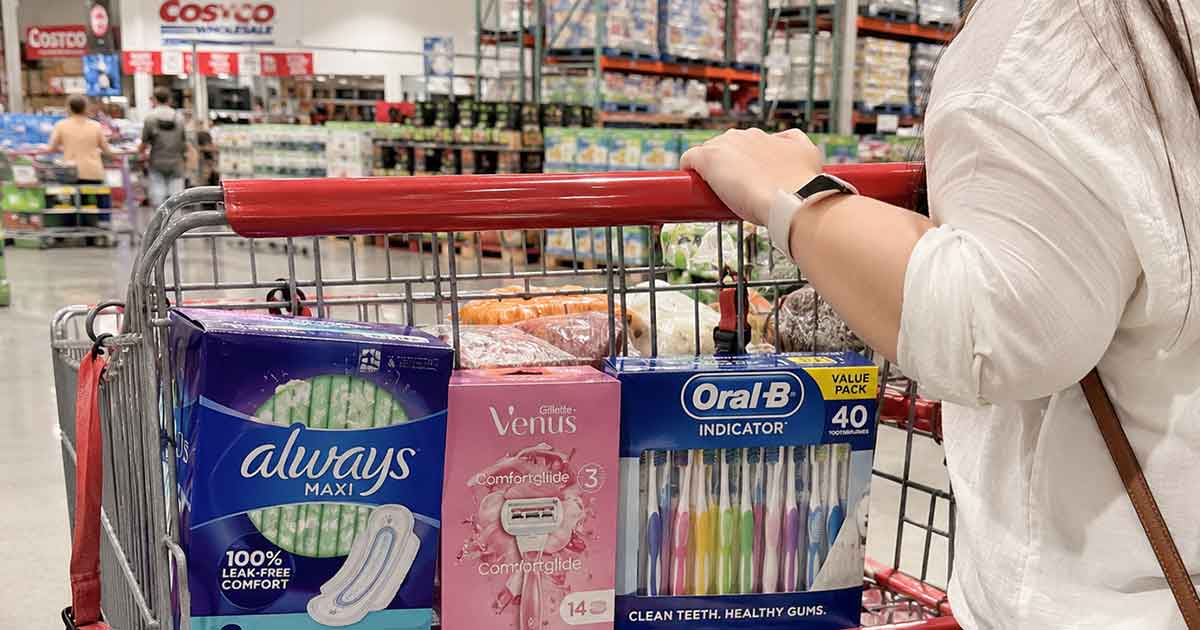
Here are three Costco products I don’t recommend buying, along with the cleaner swaps I recommend instead.
-
Conventional Pads: Swapped for Organic Cotton
Menstrual products are used for hours at a time, every month, against one of the body’s most absorbent areas. Yet they’re rarely part of conversations about reducing toxic exposure.
Many conventional disposable pads are made from plastic-based materials, including polyethylene and polyester. They may also contain adhesives, synthetic fragrances, dyes, and other proprietary materials that manufacturers aren’t always required to disclose on the label fully.
The concern: endocrine-disrupting chemicals. Research has raised questions about the presence of endocrine disruptors, compounds that may interfere with normal hormone signaling, in some feminine hygiene products. Because these products are used repeatedly over many years against highly absorbent tissue, reducing unnecessary exposure is a reasonable precaution, even while the science continues to evolve.
Plastic layers also reduce breathability, creating a warmer, more humid environment that many people find less comfortable, even apart from any chemical concerns.
What I choose instead: Pads made primarily from certified organic cotton, without added fragrances or unnecessary plastic components that come into contact with the skin. Cora is one example: their top layer is 100% organic cotton, with greater ingredient transparency than most conventional brands.
No product is completely “chemical-free”; everything is made of chemicals. But simpler materials and greater transparency are consistently a step in the right direction.
-
Disposable Cartridge Razors: Swapped for a Stainless Steel Safety Razor
Disposable cartridge razors seem convenient. But convenience often comes with extra materials that most people never think about.
Most modern cartridge razors include a lubricating strip designed to make shaving feel smoother. These strips typically contain:
- Polyethylene glycols (PEGs)
- Propylene glycol
- Sodium lauryl sulfate (SLS)
- Synthetic fragrances
- Various preservatives and colorants
Not every ingredient is inherently dangerous at the amounts used. But synthetic fragrances can contain dozens of undisclosed chemical compounds, and some people experience irritation from SLS or propylene glycol, particularly when shaving creates small openings in the skin that increase absorption.
There’s also the waste problem. Most disposable razors combine plastic, rubber, adhesives, and metal in ways that make them nearly impossible to recycle. Billions end up in landfills every year.
What to choose instead: A stainless steel safety razor.
- Completely plastic-free
- No lubricating strips
- Durable enough to last decades
- Compatible with inexpensive, recyclable steel blades
- Dramatically less waste over time
There’s a small learning curve if you’ve never used one, but most people find they get an equally close, often better, shave after a little practice. And the long-term cost is significantly lower than buying cartridge refill packs.
-
Plastic Toothbrushes: Swapped for a Lower-Plastic Alternative
Most people brush their teeth at least twice a day for their entire lives. That’s thousands of sessions with a product that spends several minutes inside your mouth, in contact with gums and mucous membranes.
Traditional toothbrushes are almost entirely plastic. Researchers have found that toothbrush bristles can release microscopic plastic particles during normal use; the science on overall human exposure from this source is still developing. Still, the finding is consistent with broader concerns about microplastic accumulation in everyday products.
Beyond the personal exposure question, the waste is significant. Billions of plastic toothbrushes are discarded globally every year, and because they’re made from mixed materials, most can’t be recycled through standard programs.
What to look for instead:
- Wooden toothbrushes with natural bristles (horsehair or boar’s hair): the most plastic-reduced option
- Bamboo toothbrushes with plant-based bristles: widely available, though many still contain some synthetic bristle materials worth checking
- Replaceable-head toothbrushes: keep the handle, replace only the head, significantly reducing plastic waste even when the brush itself is still synthetic
If you choose a natural-bristle toothbrush, allow it to dry thoroughly between uses and replace it as regularly as you would any standard toothbrush.
Why Daily-Use Products Matter Most
Your most consistent exposures come from what you use every day without thinking.
A pad is used every month. A razor is used every few days. A toothbrush should be used twice a day. These aren’t one-time purchases; they’re products you use repeatedly for years, potentially decades. Choosing simpler materials, reducing unnecessary plastics, and avoiding ingredients you don’t need compounds meaningfully over time.
As products wear out, look for cleaner alternatives that fit your budget and your life. Those gradual swaps tend to create more lasting change than any dramatic overhaul.
Frequently Asked Questions
Are conventional pads toxic? The full picture is still being studied, but conventional disposable pads can contain plastic-based materials, synthetic fragrances, adhesives, and dyes, not all of which manufacturers are required to disclose. Some researchers have raised concerns about the presence of endocrine-disrupting compounds in certain feminine hygiene products. Given that these products are used repeatedly over many years on highly absorbent tissue, switching to certified organic cotton options with greater transparency is a reasonable precaution for anyone seeking to reduce cumulative chemical exposure.
What are the chemicals in razor lubricating strips? Most cartridge razor lubricating strips contain polyethylene glycols (PEGs), propylene glycol, sodium lauryl sulfate (SLS), synthetic fragrances, and various preservatives and colorants. These ingredients are designed to reduce friction and improve glide. For people with sensitive skin or those trying to minimize unnecessary chemical exposure, especially when shaving opens small pathways in the skin, a stainless steel safety razor without a lubricating strip is a cleaner alternative.
Are stainless steel safety razors better than cartridge razors? For health-conscious and environmentally minded users, yes, in most respects. Stainless steel safety razors are plastic-free, contain no lubricating strips with undisclosed chemical compounds, last for decades, and use inexpensive, fully recyclable steel blades. The upfront cost is higher than that of a disposable razor, but the long-term cost is significantly lower. The main adjustment is a short learning curve in technique, which most people adapt to within a week or two.
Do plastic toothbrushes release microplastics? Research has found that toothbrush bristles can shed microscopic plastic particles during normal use. The contribution of toothbrush use to overall human microplastic exposure is still being quantified. Still, the finding is consistent with broader research showing that plastic items in regular contact with the body can release microparticles over time. Alternatives like wooden toothbrushes with natural bristles or replaceable-head systems reduce this exposure while also significantly cutting plastic waste.
What is the cleanest alternative to a conventional toothbrush? Wooden toothbrushes with natural animal-hair bristles (horsehair or boar’s hair) are the most plastic-reduced option currently available. Bamboo toothbrushes with plant-based bristles are widely available and more eco-friendly than conventional plastic ones. However, many still contain some synthetic materials in the bristles, which is worth checking before buying. Replaceable-head toothbrushes offer a practical middle ground by keeping the handle out of the waste stream while still using conventional bristles.
Why do everyday products matter more than occasional exposures? Cumulative exposure is what most environmental health researchers focus on, not single events. Products used daily or monthly for years represent far more total exposure than something encountered occasionally. A conventional pad used monthly, a razor used several times a week, and a toothbrush used twice daily are each individually small exposures. Together, repeated over a decade or more, they add up in ways that one-off environmental encounters typically don’t. Swapping these products for cleaner alternatives is one of the highest-leverage changes available precisely because the frequency is so high.
References:
- Aujla M, Logie CH, Hardon A, Narasimhan M. Environmental impact of menstrual hygiene products. Bull World Health Organ. 2025 Mar;103(3):223-225. doi:10.2471/BLT.24.291421. Epub 2024 Nov 4. PMID: 40026665; PMCID: PMC11865846. (https://pubmed.ncbi.nlm.nih.gov/40026665/
- Zhang X, Yu C, Wang P, Yang C. Microplastics and human health: Unraveling the toxicological pathways and implications for public health. Frontiers in Public Health. 2025;13:1567200. doi: 10.3389/fpubh.2025.1567200
- van Amerongen, C. C. A., Ofenloch, R. F., Cazzaniga, S., Elsner, P., Gonçalo, M., Naldi, L., Svensson, Å., Bruze, M., & Schuttelaar, M. L. A. (2021). Skin exposure to scented products used in daily life and fragrance contact allergy in the European general population – The EDEN Fragrance Study. Contact Dermatitis, 84(6), 385–394.https://doi.org/10.1111/cod.13807
- Protyusha GB, B K, Robin RS, A N, Ineyathendral TR, Shivani SS, I A, Sivasamy S, Samuel VD, R P. Microplastics in oral healthcare products (OHPs) and their environmental health risks and mitigation measures. Environmental Pollution. 2024;343:123118. doi:10.1016/j.envpol.2023.123118. Epub 2023 Dec 11.
Keep updated on latest posts
-

3 Kids’ Clothing Types I’d Think Twice About at Target
Kids’ clothing seems simple until you start looking at what actually goes into making a garment perform a certain way. A T-shirt can be designed…
-

The Cream Cheese Ingredient You May Want to Rethink
Cream cheese seems like one of those foods that should be simple. Milk, cream, salt, maybe a culture, and that’s about it. But flip over…
-

Could Choosing Different Fruits and Vegetables Support Fertility?
When you’re trying to improve fertility, the conversation usually turns to hormones, supplements, sleep, stress, exercise, alcohol, and overall diet. There’s another piece worth considering,…
-

Ricotta Raspberry Toast: An Easy 5-Minute Breakfast
Some mornings you want something that feels a little special without any actual effort. This is that breakfast. Creamy ricotta, sweet-tart raspberries, and a scatter…
One swap a week
Every week, one small change worth making, why it matters, and where to get it. Two minutes, then back to your life.