
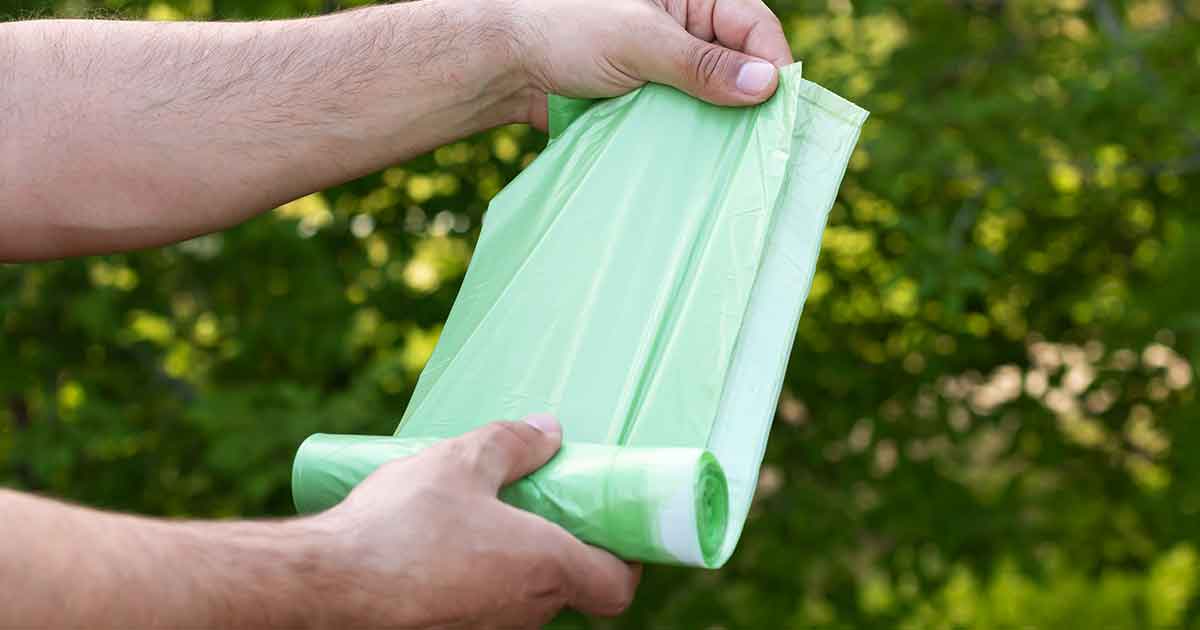
Are Compostable Plastic Bags Safer?
When many of us first learned how harmful traditional plastic bags like Ziplocs are to our health and the environment, switching to compostable or biodegradable alternatives seemed like a no-brainer. If something breaks down faster in the environment and claims to be “eco-friendly,” it must be better for our bodies too, right? It’s an easy assumption, but unfortunately, the truth is a little more complicated. While compostable plastic bags are a better choice for the planet than traditional petroleum-based plastic bags, they are not necessarily safer for our health. In fact, they can still pose some of the same chemical risks as regular plastic, and sometimes even introduce new concerns we don’t often hear about.
Compostable Doesn’t Mean Chemical-Free
One of the biggest misconceptions about compostable plastic bags is that they are entirely natural and free of synthetic ingredients. The reality is that many of these bags are made from a type of bioplastic, which still involves a significant amount of artificial processing. One standard material used is called polybutylene adipate terephthalate, or PBAT. Even though it sounds technical, it’s essential to understand what this means. PBAT is a chemically engineered polymer. It is designed to mimic the qualities of traditional plastic—flexibility, durability, and resilience—while also being able to break down more quickly under industrial composting conditions. However, just because a material can decompose under the right conditions does not mean it is safe for human contact or ingestion. PBAT and other bioplastics can still leach synthetic chemicals into food, especially when exposed to heat, fat, or prolonged storage times. So while your compostable sandwich bag might degrade in a commercial compost facility over several months, it can still release microscopic particles or chemical residues into your food while sitting in your kitchen or lunchbox.
Phthalates and Hormone Disruption: Still a Big Problem
Another primary concern is the presence of chemicals like phthalates in bioplastics. Phthalates are a group of chemicals used to make plastics more flexible and less prone to breaking. They are notorious endocrine disruptors, which can severely interfere with the body’s natural hormone systems. Exposure to phthalates has been linked to reproductive problems, developmental issues in children, metabolic disorders, and even certain cancers. And unfortunately, even “eco-friendly” compostable plastics can contain or release phthalates, depending on how they are manufactured. This is particularly troubling because the potential for chemical migration increases when we store food in plastic, especially oily or acidic foods. That means you could unknowingly expose yourself or your family to harmful substances when you pack a sandwich, store leftovers, or freeze some veggies using a compostable plastic bag. It’s a harsh reality, but it’s better to be informed than to unquestioningly trust a marketing label.
Why Glass Is Still the Gold Standard for Safe Food Storage
Given the limitations and risks of both traditional and compostable plastic bags, what’s the safest move? The answer is simple: switch to glass containers for food storage whenever possible. Glass is inert, meaning it doesn’t react with its contents. It doesn’t leach chemicals into your food, it doesn’t degrade over time, and it’s incredibly durable when appropriately treated. Plus, glass containers are reusable, often lasting for decades if you take care of them. This means fewer purchases over time, less waste heading to landfills, and fewer resources consumed in manufacturing and shipping disposable products. The upfront investment in a good set of glass containers might seem steep, but it’s a smart move when you factor in the savings over the years, not to mention the health benefits. Many glass containers today come with lids made from safer plastics like polypropylene, or even better, silicone, which is far less prone to chemical leaching than traditional plastic.
Protect Your Health and the Planet Without Compromise
It’s easy to get overwhelmed when you start pulling back the curtain on what’s really inside everyday products. One solution that seems better for the planet may not be better for your body. One bag that claims to be compostable still carries hidden risks. But instead of throwing up our hands in frustration, we can use this knowledge to make smarter, more intentional choices. Choosing glass over plastic—whether traditional or compostable—is one of the clearest, most effective actions to protect your family’s health and the environment. It eliminates the middle ground of wondering whether some new “eco-friendly” marketing claim is as safe as it sounds. It simplifies your kitchen, reduces your toxic load, and puts your money behind products that align with your values.
The Bottom Line
Compostable plastic bags are a step in the right direction regarding environmental concerns, but they are not the complete solution if you care about minimizing your chemical exposure. The next time you pack up leftovers, meal-prep for the week, or send snacks with your kids, remember that your choice of container matters. Choose glass. Choose simplicity. Choose a path that’s better for your health and better for the planet—not just in theory but in practice.
References:
- Thompson, R. C., Moore, C. J., vom Saal, F. S., & Swan, S. H. (2009). Plastics, the environment, and human health: Current consensus and future trends. Philosophical Transactions of the Royal Society B: Biological Sciences, 364(1526), 2153–2166. https://doi.org/10.1098/rstb.2009.0053
- Tan, Y., Wen, Z., Hu, Y., Zeng, X., Kosajan, V., Yin, G., & Zhang, T. (2023). Single-use plastic bag alternatives result in higher environmental impacts: Multi-regional analysis in country with uneven waste management. Waste Management, 171, 281–291. https://doi.org/10.1016/j.wasman.2023.08.040
- Iroegbu, A. O. C., Ray, S. S., Mbarane, V., Bordado, J. C., & Sardinha, J. P. (2021). Plastic Pollution: A Perspective on Matters Arising: Challenges and Opportunities. ACS Omega, 6(30), 19343–19355. https://doi.org/10.1021/acsomega.1c02760
Keep updated on latest posts
-

3 Kids’ Clothing Types I’d Think Twice About at Target
Kids’ clothing seems simple until you start looking at what actually goes into making a garment perform a certain way. A T-shirt can be designed…
-
The Cream Cheese Ingredient You May Want to Rethink
Cream cheese seems like one of those foods that should be simple. Milk, cream, salt, maybe a culture, and that’s about it. But flip over…
-
Could Choosing Different Fruits and Vegetables Support Fertility?
When you’re trying to improve fertility, the conversation usually turns to hormones, supplements, sleep, stress, exercise, alcohol, and overall diet. There’s another piece worth considering,…
-
Ricotta Raspberry Toast: An Easy 5-Minute Breakfast
Some mornings you want something that feels a little special without any actual effort. This is that breakfast. Creamy ricotta, sweet-tart raspberries, and a scatter…
One swap a week
Every week, one small change worth making, why it matters, and where to get it. Two minutes, then back to your life.