
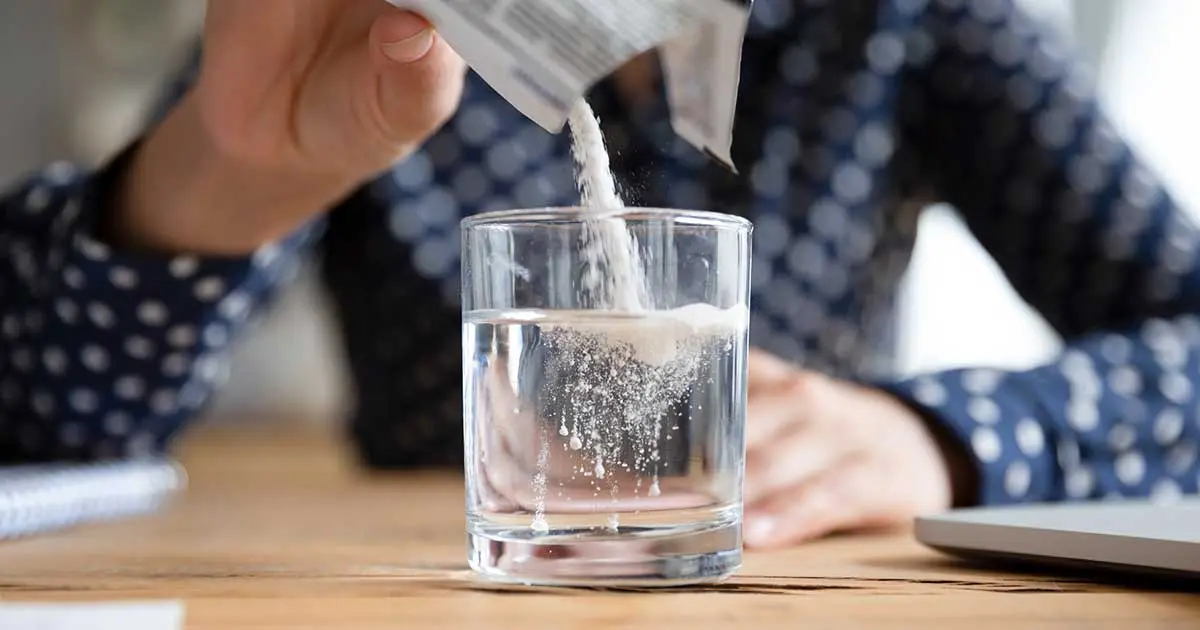
Are Powdered Electrolytes Safe?
Replenishing electrolytes is crucial for optimizing hydration, aiding muscle recovery, and boosting performance. But recent findings suggest that many of these products may do more harm than good. A review conducted by Mamavation tested 40 popular electrolyte mix brands and uncovered some alarming results. While these products promise to enhance your health, the truth is that many contain harmful ingredients that undermine their benefits.[1]
If you’re relying on powdered electrolyte mixes to stay hydrated, it’s worth looking at what’s inside the packet. This blog dives into the findings, discusses the potential risks, and shares a simple, safer alternative you can make at home to meet your hydration and electrolytes needs without compromising your health.
The Problem with Commercial Electrolyte Mixes
The Mamavation review revealed that many powdered electrolyte mixes contain harmful substances, including:
- Elevated Levels of Forever Chemicals (PFAS)
Forever chemicals, or PFAS (per- and poly-fluoroalkyl substances), are synthetic compounds that persist in the environment and the human body for extended periods. They’ve been linked to serious health issues, including:[2]
- Hormone disruption.
- Immune system suppression.
- Increased risk of certain cancers.
- Developmental issues in children.
PFAS in products meant to enhance health is particularly concerning, as even small amounts can accumulate in the body over time.
- Artificial Additives
Many commercial electrolyte mixes are loaded with artificial colors, flavors, and sweeteners. These additives may improve the taste and appearance of the product, but they come with their own set of risks:
- Artificial Sweeteners: Ingredients like aspartame, sucralose, and acesulfame potassium have been linked to digestive issues, metabolic disruptions, and potential long-term health concerns.[3]
- Synthetic Colors: Common dyes, such as Red 40 and Yellow 5, are derived from petroleum and may contribute to hyperactivity in children and allergic reactions in sensitive individuals.[4]
- Chemical Flavors and Preservatives: These ingredients can interfere with gut health and may contain hidden contaminants.[5]
- Questionable Ingredient Quality
Many brands do not disclose the source or quality of their ingredients. Without transparency, it’s impossible to know whether the minerals and electrolytes in the mix come from clean, high-quality sources or if they are contaminated with heavy metals or other toxins.
Why Electrolytes Matter
Before diving into healthier alternatives, it’s important to understand why electrolytes are essential. Electrolytes are minerals that carry an electrical charge and play a critical role in bodily functions, including:
- Maintaining proper hydration by balancing fluid levels inside and outside cells.
- Supporting nerve and muscle function.
- Regulating pH levels.
- Enabling energy production.
Key electrolytes include sodium, potassium, calcium, magnesium, and chloride. During physical activity or periods of illness, the body loses electrolytes through sweat, urine, and other fluids, making it crucial to replenish them to avoid dehydration, fatigue, and cramping.
A Safer Alternative: DIY Electrolyte Mix
If you’re concerned about the ingredients in commercial electrolyte powders, there’s good news: you can make your own electrolyte mix at home. This simple recipe is not only safer but also more cost-effective and free from harmful additives.
Homemade Electrolyte Mix Recipe
- Start with a glass of reverse osmosis-filtered water. This removes contaminants and ensures you’re starting with clean hydration.
- Add a pinch of clean sea salt. Sea salt contains trace minerals that help restore sodium and chloride levels.
- Squeeze in half a 100% organic lemon or add a few tablespoons of 100% organic lemon juice. Lemon provides vitamin C, potassium, and a refreshing flavor without artificial sweeteners.
This basic mix provides the electrolytes your body needs to stay hydrated, support muscle recovery, and maintain balance. It’s free from toxins and can be adjusted to suit your taste preferences.
Boosting Your Electrolyte Intake
If you want to enhance your DIY electrolyte mix or add more variety to your diet, consider incorporating whole foods rich in essential minerals:
- Avocados
Avocados are a powerhouse of nutrients, providing more potassium than a banana and offering a healthy dose of magnesium and calcium. They’re a great addition to any meal or snack, especially when trying to boost electrolyte levels naturally.[6] - Leafy Greens
Vegetables like spinach, kale, and Swiss chard are excellent sources of magnesium and potassium. They’re easy to incorporate into salads, smoothies, or side dishes. - Coconut Water
While it’s best to avoid packaged coconut water with added sugars or flavors, fresh coconut water is a natural source of electrolytes, particularly potassium and magnesium.[7] - Nuts and Seeds
Almonds, sunflower seeds, and pumpkin seeds are rich in magnesium and make for a convenient, nutrient-packed snack. - Bone Broth
Homemade bone broth is not only rich in minerals like calcium, magnesium, and phosphorus but also provides collagen, which supports joint and skin health.
Why Whole Foods and DIY Solutions Are Better
Whole foods and homemade options provide electrolytes in their natural, bioavailable forms. Unlike processed mixes, they come without artificial ingredients or contaminants and often include additional nutrients that support overall health. Homemade solutions, like the DIY electrolyte mix, also allow you to control the quality of ingredients, ensuring that what you’re consuming aligns with your health goals.
Final Thoughts
Powdered electrolyte mixes may seem like a convenient option, but the hidden risks revealed by recent testing suggest they’re not as beneficial as they appear. Between elevated levels of forever chemicals and artificial additives, these products often introduce more harm than help.
By making your own electrolyte mix at home and incorporating electrolyte-rich whole foods into your diet, you can optimize hydration and recovery in a way that’s safe, effective, and aligned with your commitment to a non-toxic lifestyle.
Staying hydrated and replenishing electrolytes doesn’t have to mean sacrificing your health. Simple, clean solutions are within reach—and they might just save you money while keeping toxins out of your routine.
References:
- Segedie, Leah. “Indications of PFAS ‘Forever Chemicals’ & Fluoride in Powdered Electrolytes — Buying Guide.” MAMAVATION, 13 June 2023, https://www.mamavation.com/food/pfas-forever-chemicals-fluoride-powdered-electrolytes.html.
- Perfluoroalkyl and Polyfluoroalkyl Substances (PFAS).” National Institute of Environmental Health Sciences.
- Pang, Michelle D., et al. “The Impact of Artificial Sweeteners on Body Weight Control and Glucose Homeostasis.” Frontiers in Nutrition, vol. 7, Jan. 2021, p. 598340.
- Arnold, L. Eugene, et al. “Artificial Food Colors and Attention-Deficit/Hyperactivity Symptoms: Conclusions to Dye For.” Neurotherapeutics, vol. 9, no. 3, July 2012, pp. 599–609.
- Zhou, Xuewei, et al. “The Impact of Food Additives on the Abundance and Composition of Gut Microbiota.” Molecules, vol. 28, no. 2, Jan. 2023, p. 631.
- Dreher, Mark L., and Adrienne J. Davenport. “Hass Avocado Composition and Potential Health Effects.” Critical Reviews in Food Science and Nutrition, vol. 53, no. 7, May 2013, pp. 738–50.
- O’Brien, Brendan J., et al. “Coconut Water: A Sports Drink Alternative?” Sports, vol. 11, no. 9, Sept. 2023, p. 183.
Keep updated on latest posts
-

Best Coffee Creamers at Target: Cleanest Options
If you are buying coffee creamer at Target, the ingredient list matters more than the pretty packaging on the front of the bottle. I went…
-

3 Ways I Use Thyme for Coughs and Colds Every Fall
When fall rolls around, and coughs, congestion, and sore throats start making their way through the house, I reach for an herb that has been…
-

Can Rosemary Aroma Improve Memory and Focus?
Rosemary is usually thought of as something you throw into a pan with potatoes, chicken, or vegetables. But this familiar herb may have another interesting…
-

Homemade Chicken Feet Bone Broth for Dogs
A collagen-rich, joint-supporting bone broth made with two ingredients — safe, simple, and something your dog will genuinely go crazy for Chicken feet bone broth…
One swap a week
Every week, one small change worth making, why it matters, and where to get it. Two minutes, then back to your life.