
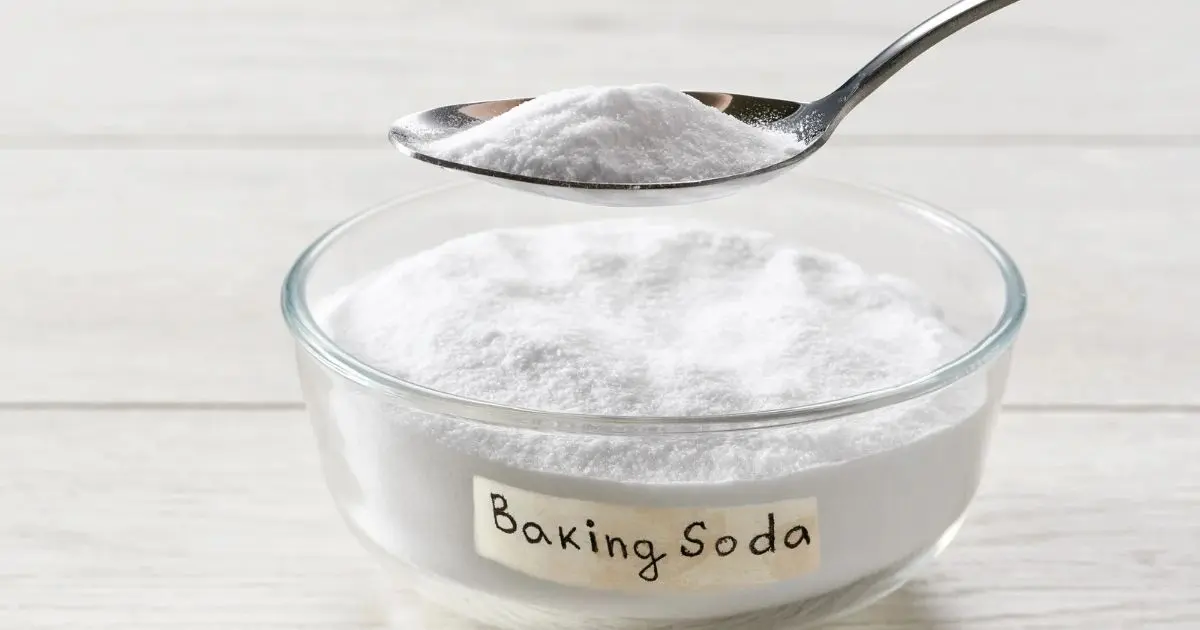
Baking Soda Beyond Baking: 4 Everyday Uses You Might Not Know About
Grab an extra box of baking soda next time you’re at the store, because baking is honestly one of the least interesting things it can do. This inexpensive pantry staple has been used for generations, and its chemistry makes it useful for much more than helping cookies rise. From supporting certain high-intensity workouts to relieving occasional heartburn, sodium bicarbonate has some surprisingly practical applications.
Baking soda is an alkaline compound that works by reacting with acids. That simple property explains several of its everyday uses, including why it’s found in some antacids and why athletes sometimes use it as a performance supplement. It’s also been explored as an ingredient in soothing baths for itchy skin.
Here’s a closer look at four ways baking soda is used beyond the kitchen, what the research says, and a few things to keep in mind before trying it yourself.
Quick Overview: What Can Baking Soda Do?
- Workouts: Sodium bicarbonate can help buffer acid during certain high-intensity exercise efforts, potentially improving performance in some activities.
- Digestion: It works as an antacid by neutralizing stomach acid, making it a treatment for occasional heartburn and acid indigestion.
- Headaches: Some people use half a teaspoon of baking soda in a glass of water as a home remedy to help take the edge off a headache.
- Itchy skin: Adding a cup of baking soda to a warm bath and soaking for 15–20 minutes can offer a calming, soothing reset for irritated skin.
The key is understanding how baking soda works and choosing the right use for the situation.
-
Workouts: Why Some Athletes Use Baking Soda
Sodium bicarbonate is also used in sports nutrition because of its role in the body’s acid-base balance.
During intense exercise, the muscles produce hydrogen ions that increase acidity. Sodium bicarbonate increases the body’s buffering capacity, helping regulate changes in acidity during strenuous efforts. This can support performance in certain activities that involve repeated bursts of high-intensity work.
A 2021 umbrella review published in the Journal of the International Society of Sports Nutrition examined multiple meta-analyses of sodium bicarbonate supplementation. The researchers found evidence of performance benefits for some outcomes, including peak anaerobic power, muscle endurance, and high-intensity intermittent exercise.
If you’re considering it as a supplement, talk with a qualified healthcare professional or sports dietitian about whether it’s appropriate for you. Sodium bicarbonate can cause gastrointestinal side effects, including bloating, nausea, and diarrhea. The amount of sodium involved matters.
-
Digestion: A Classic Remedy for Occasional Heartburn
Ever finish a big meal and feel that familiar burning sensation creeping up your chest? Sodium bicarbonate is an antacid, which means it neutralizes stomach acid and can provide temporary relief from occasional heartburn or acid indigestion.
It’s the same basic acid-neutralizing chemistry that makes baking soda useful in other settings. When sodium bicarbonate reacts with stomach acid, it produces water, salt, and carbon dioxide. That’s why taking it can also cause gas or belching.
Sodium bicarbonate is used in some over-the-counter antacid products, but the amount matters. Use it carefully, and get medical advice if heartburn keeps coming back.
3. Headaches: A Simple Home Remedy Some People Swear By
Some people use it as a home remedy for headaches, mixing half a teaspoon into a glass of water to help take the edge off. It’s one of the lesser-known uses associated with this everyday pantry staple.
Baking soda, or sodium bicarbonate, is an alkaline compound that has been used for generations in a variety of home remedies. While this headache remedy is shared anecdotally, it hasn’t been established as an effective treatment in clinical research.
It’s also worth remembering that baking soda is high in sodium, so drinking it regularly or using too much can cause health problems. If headaches are frequent or severe, it’s best to speak with a healthcare professional rather than rely on a home remedy.
-
Itchy Skin, Sunburn, or Eczema Flares: Try a Soothing Baking Soda Bath
Baking soda is also used in baths as a simple way to soothe uncomfortable, itchy skin. The idea is straightforward: stir about one cup of baking soda into a warm bath and soak for 15–20 minutes for a calming reset.
This traditional home remedy is often used when the skin feels irritated or itchy. Baking soda has also been discussed in dermatology literature for its potential role in soothing certain types of itching, although research on specific conditions varies.
For a more comfortable soak, keep the water warm rather than hot, and pay attention to how your skin responds. If the bath causes more irritation, stop using it. Persistent symptoms or significant skin irritation may need appropriate medical care.
A Few Things to Know Before Using Baking Soda
- Pay attention to the dose. Too much sodium bicarbonate can cause serious electrolyte and acid-base disturbances.
- Remember the sodium. Sodium bicarbonate can be a concern for people who need to limit sodium, including some people with high blood pressure, heart failure, or kidney disease.
- Check for medication interactions. It can affect how some medicines work or are absorbed.
- Don’t use it as a substitute for treatment. Persistent heartburn, recurring headaches, severe itching, and significant skin symptoms deserve appropriate evaluation.
Baking soda is a good example of how one simple compound can have several useful applications. Next time you add a box of baking soda to your grocery cart, remember that there’s more to sodium bicarbonate than baking. Just make sure you’re using it for the right purpose.
Frequently Asked Questions
What is baking soda?
Baking soda is sodium bicarbonate, an alkaline compound used in cooking, cleaning, and certain medical products, including antacids.
Can baking soda improve workout performance?
Sodium bicarbonate supplementation has been shown to improve performance in some high-intensity exercise settings. However, research protocols use specific amounts and timing, and supplementation can cause side effects. It’s always best to get professional guidance before trying it.
Does baking soda help with heartburn?
Sodium bicarbonate neutralizes stomach acid and is used as an antacid for occasional heartburn and acid indigestion. Follow product directions, and speak with a healthcare professional if symptoms are frequent.
Can baking soda help with headaches?
Some people use half a teaspoon of baking soda in a glass of water as a home remedy to help take the edge off a headache. However, always use baking soda with caution because it contains high levels of sodium.
Can a baking soda bath soothe itchy skin?
Adding about one cup of baking soda to a warm bath and soaking for 15–20 minutes is a home remedy some people use to soothe itchy or irritated skin. Baking soda baths have been explored for certain types of itching, though results can vary. Stop if irritation worsens, and seek appropriate care for persistent skin symptoms.
References:
- Grgic, J., Grgic, I., Del Coso, J., Schoenfeld, B. J., & Pedisic, Z. Effects of sodium bicarbonate supplementation on exercise performance: An umbrella review. Journal of the International Society of Sports Nutrition. 2021;18:71.https://pubmed.ncbi.nlm.nih.gov/34794476/
- The Impact of Sodium Bicarbonate on Performance in Response to Exercise Duration in Athletes: A Systematic Review. Sports Medicine – Open. 2019.https://pmc.ncbi.nlm.nih.gov/articles/PMC6544001/
- U.S. National Library of Medicine. Sodium Bicarbonate. MedlinePlus Drug Information.https://medlineplus.gov/druginfo/meds/a682001.html
- Bircher, A. J. Aquagenic pruritus: treatment with sodium bicarbonate and evidence for a seasonal form. Journal of the American Academy of Dermatology. 1989;21(4 Pt 1):817.https://pubmed.ncbi.nlm.nih.gov/2553787/
- Milstone, L. M. Scaly skin and bath pH: rediscovering baking soda. Journal of the American Academy of Dermatology. 2010;62(5):885–886.https://pubmed.ncbi.nlm.nih.gov/20398816/
- Hon, K. L., et al. Bathing in Atopic Dermatitis in Pediatric Age: Why, How and When. Dermatology and Therapy. 2024.https://pmc.ncbi.nlm.nih.gov/articles/PMC10801494/
Keep updated on latest posts
-
Baking Soda Beyond Baking: 4 Everyday Uses You Might Not Know About
Grab an extra box of baking soda next time you’re at the store, because baking is honestly one of the least interesting things it can…
-

3 Target Grocery Items I’d Skip (and the Swaps I’d Grab Instead)
A quick grocery run can turn into a lot of label reading when you’re trying to make more thoughtful choices about what comes home with…
-

Stuffed Delicata Squash with Sausage and Fresh Herbs
A one-pan fall dinner that uses the squash itself as the serving bowl, no peeling required, filled with savory sausage and fresh herbs for a…
-

Grounding and Earthing: Barefoot Walking and the Science
Hugging a tree barefoot might look a little out there, but there’s fascinating science behind reconnecting with the Earth. Grounding, also called earthing, is the…
One swap a week
Every week, one small change worth making, why it matters, and where to get it. Two minutes, then back to your life.