
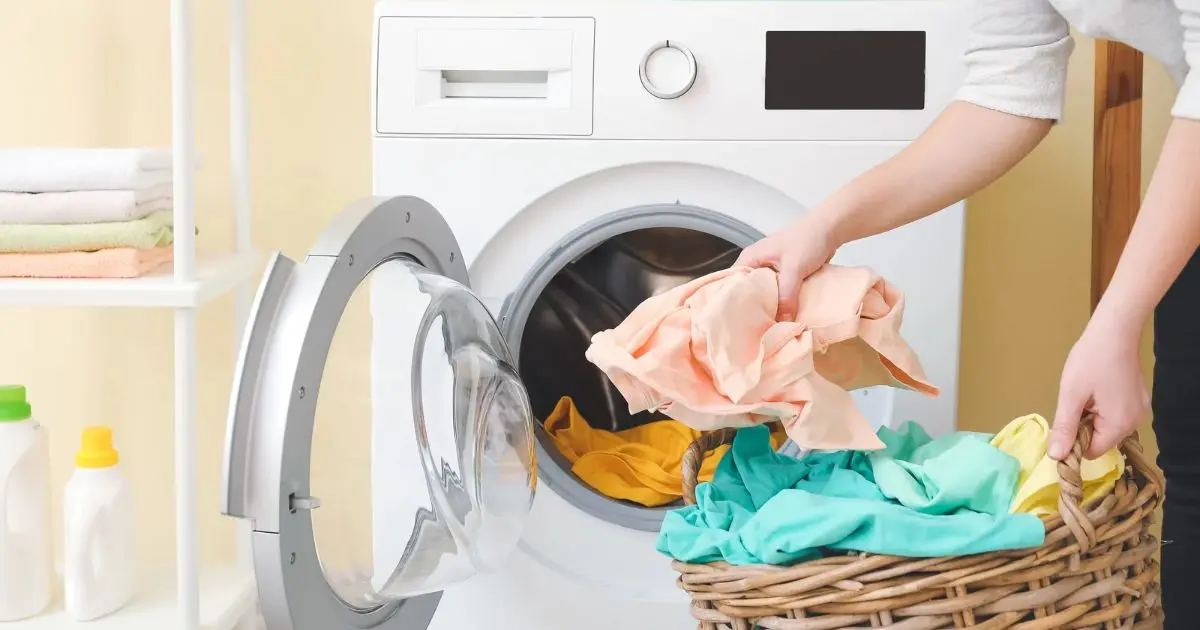
How to Remove Mold From a Washing Machine Safely
Your washing machine is supposed to leave clothes smelling fresh. But if you’ve ever opened the door and noticed a musty smell, you know that doesn’t always happen. Moisture, detergent residue, and hidden buildup can turn the machine itself into a breeding ground for mold and mildew.
Front-loading washers are especially vulnerable because water gets trapped inside the rubber door seal. Add leftover detergent, fabric softener, and a closed door between loads, and you’ve created the damp environment mold loves.
The good news is that you don’t need heavily fragranced cleaning products to address the problem. A few simple cleaning habits can help remove buildup, tackle unpleasant odors, and keep your washer in better condition.
How to Clean Mold From a Washing Machine
If your washer smells musty or has visible buildup, start with these nine steps:
- Empty the washing machine.
- Run a hot cleaning cycle with a washer-safe cleaning product.
- Use baking soda separately for lingering odors when appropriate.
- Scrub the rubber gasket and door seal.
- Remove and clean the detergent drawer.
- Address stubborn mold with a suitable cleaning product.
- Leave the washer door and detergent drawer open to dry.
- Clean the machine regularly.
- Control humidity in the laundry room.
Minor surface buildup can often be handled at home. However, persistent mold, drainage problems, or contamination inside inaccessible components may require professional servicing.
Why Does Mold Grow Inside Washing Machines?
Mold thrives in damp environments, especially when moisture combines with dirt and organic residue. Washing machines regularly collect water, body oils, lint, and leftover laundry products, making certain areas particularly vulnerable.
The rubber gasket on front-loading machines is one of the biggest trouble spots. Its folds can trap moisture long after a wash cycle finishes, particularly when the door stays closed.
Top-loading washers aren’t immune either. Detergent dispensers, drainage components, and other damp areas can also develop buildup.
A musty smell doesn’t always mean visible mold is present. Bacteria, stagnant water, and detergent residue can create similar odors, which is why cleaning the entire machine matters.
Step 1: Empty the Washing Machine
Start by removing everything from the drum, including small items that may have been left behind. An empty washer allows the cleaning cycle to circulate properly without clothing absorbing the water or cleaning product.
Check around the rubber seal for lint, hair, and trapped debris. If you notice standing water after a cycle is complete, there may also be a drainage issue that needs attention.
Step 2: Run a Hot Cleaning Cycle
Hot water can help loosen detergent buildup, oils, and grime inside the washer. Many modern machines have a dedicated tub-clean or self-clean cycle designed for this purpose.
Before adding anything, check your washing machine’s manual. Some manufacturers recommend specific cleaning products and discourage certain ingredients.
White vinegar is often recommended because its acidity can help dissolve mineral deposits. Some household cleaning routines suggest adding two cups to an empty drum and running a hot cycle.
Step 3: Use Baking Soda for Lingering Odors
Baking soda is another common household cleaning ingredient that may help address certain odors. Some routines suggest adding half a cup to an empty drum and running a separate hot cycle.
Baking soda isn’t a substitute for physically removing visible mold or cleaning contaminated components.
Should You Mix Vinegar and Baking Soda?
Mixing vinegar and baking soda creates a bubbling reaction, but the two ingredients also neutralize each other. The bubbles may loosen some debris, but the mixture isn’t automatically a more effective cleaner.
Using each ingredient separately for an appropriate task makes more sense.
Step 4: Clean the Rubber Gasket and Door Seal
If you have a front-loading washer, this is one area you shouldn’t skip. Pull back the rubber folds carefully and inspect the entire seal, especially the bottom where water tends to collect.
Use a soft cloth, warm water, and mild detergent to remove ordinary buildup. An old toothbrush can help reach narrow creases where grime accumulates.
For stubborn spots, some cleaning routines recommend 3% hydrogen peroxide or diluted vinegar. Use these products if the manufacturer confirms they’re compatible with the gasket.
Never mix cleaning chemicals, including hydrogen peroxide and vinegar, in the same container. After cleaning, wipe the seal thoroughly and remove any remaining moisture.
If dark spots remain embedded in the rubber or mold repeatedly returns, the gasket may need professional cleaning or replacement.
Step 5: Remove and Clean the Detergent Drawer
Detergent dispensers collect more residue than most people realize. Liquid detergent and fabric softener can leave sticky deposits that hold moisture and make the compartment difficult to keep clean.
If your drawer is removable, take it out according to the manufacturer’s instructions. Rinse it with warm water and scrub the corners with a soft brush.
Check the compartment behind the drawer as well. Mold and residue can collect inside the housing even when the dispenser looks relatively clean.
Allow everything to dry before putting the drawer back.
Are You Using Too Much Detergent?
Adding extra detergent doesn’t necessarily make laundry cleaner. Excess product can leave residue on clothing and inside the washing machine.
Using the recommended amount helps reduce buildup. Choosing a fragrance-free detergent can also be a practical non-toxic swap for anyone trying to limit unnecessary scented laundry products.
Step 6: Address Stubborn Mold Safely
When mold doesn’t disappear after ordinary cleaning, adding more products isn’t always the answer. Strong chemical combinations can damage washer components and create unnecessary exposure.
Choose a cleaner approved for the affected surface and follow its instructions. If contamination is extensive or keeps returning, professional servicing may be necessary.
Does Tea Tree Oil Remove Mold in a Washing Machine?
Tea tree oil is promoted as a natural mold cleaner because certain laboratory studies have investigated its antifungal properties.
Essential oils can also leave residue and pose risks to pets, particularly cats and dogs. For those reasons, tea tree oil isn’t necessary for an effective washer maintenance routine. Skip this step if you have pets.
Step 7: Leave the Door Open After Every Load
One of the easiest ways to discourage mold growth is to let the machine dry between washes. Leaving the door slightly open allows moisture to evaporate rather than remain trapped inside.
The detergent drawer can also be left partially open to improve drying. Wiping excess water from the gasket takes only a moment and helps prevent moisture from collecting in its folds.
Just make sure the open door doesn’t create a safety hazard for children or pets.
Another helpful habit is removing wet laundry promptly. Leaving damp clothes in the drum for hours can cause unpleasant odors.
Step 8: Clean Your Washing Machine Regularly
Waiting until your washer smells bad usually means buildup has already accumulated. Regular maintenance makes it easier to keep the drum, gasket, and dispenser clean.
A cleaning check every four to eight weeks is a reasonable starting point for many households, although your manufacturer’s recommendations should determine the schedule.
Machines used frequently or exposed to heavy detergent buildup may need more attention.
Don’t Forget the Drain Filter
Some front-loading washers have an accessible drain pump filter that collects lint, hair, and small objects. A clogged filter can contribute to drainage problems and unpleasant odors.
Check your owner’s manual before removing it because water may spill during cleaning. Keeping drainage components clear helps prevent moisture from remaining inside the machine.
Step 9: Control Humidity in the Laundry Room
Sometimes the moisture problem extends beyond the washing machine. Laundry rooms can become humid because of washing cycles, indoor drying racks, plumbing leaks, and inadequate ventilation.
High humidity encourages mold growth on surrounding surfaces, including walls and cabinets. Even a freshly cleaned washer may develop problems again if the room stays consistently damp.
Can a Dehumidifier Help Prevent Mold?
A dehumidifier can help reduce excess moisture in enclosed laundry spaces. The EPA recommends keeping indoor relative humidity below 60%, ideally between 30% and 50%.
A small dehumidifier may be helpful when ventilation is limited, or humidity remains elevated. A hygrometer can help determine whether the room actually needs one.
However, a dehumidifier won’t fix a leaking washer, clogged drain, or damaged gasket. Those problems need to be addressed directly.
Common Washing Machine Cleaning Mistakes
A few everyday habits can make mold and odor problems worse:
- Using more detergent than recommended.
- Leaving the washer door closed between loads.
- Allowing wet laundry to sit inside the drum.
- Forgetting to clean the detergent dispenser.
- Ignoring standing water or drainage problems.
- Using strong fragrances to cover unpleasant odors.
- Mixing incompatible cleaning chemicals.
A washer that smells like perfume isn’t necessarily clean. Removing residue and controlling moisture are more effective than repeatedly masking odors.
Frequently Asked Questions
What Is the Best Way to Remove Mold From a Washing Machine?
Start by cleaning the rubber gasket, detergent drawer, and other accessible areas where moisture collects. Run the manufacturer’s recommended cleaning cycle and dry the machine thoroughly afterward. Persistent mold may require professional servicing.
How Can You Use White Vinegar to Clean Your Washing Machine?
White vinegar is a simple household cleaning option that can help break down mineral deposits, detergent residue, and buildup that contributes to unpleasant odors. Adding two cups to an empty drum and running a hot cycle is a common cleaning method. Check your washer’s manufacturer guidelines before using vinegar, and always keep it separate from bleach or other cleaning chemicals.
Why Does My Washing Machine Still Smell After Cleaning?
Lingering odors may come from trapped moisture, detergent buildup, poor drainage, or contamination in hard-to-reach areas. Check the gasket, dispenser, and drain filter for residue. Persistent odors may indicate a problem requiring servicing.
How Often Should You Clean a Washing Machine?
Cleaning frequency depends on how often the washer is used and the manufacturer’s recommendations. Checking the machine every four to eight weeks is a practical starting point. Clean it sooner if visible buildup or odors develop.
Does Leaving the Washing Machine Door Open Prevent Mold?
Leaving the door open helps the drum and gasket dry between loads, reducing the moisture mold needs to grow. Wiping the seal and allowing the detergent drawer to dry can also help. These habits work best alongside regular cleaning.
Quick Takeaways: A Cleaner Washer Starts With Less Moisture
A musty washing machine doesn’t need stronger fragrance or an endless collection of cleaning products. Most routine maintenance comes down to removing residue, keeping the gasket and dispenser clean, and allowing the machine to dry between loads.
Start with the manufacturer’s recommended cleaning cycle, pay attention to hidden moisture, and keep up with regular maintenance. If mold persists despite these efforts, investigate drainage issues or damaged components.
A few consistent habits can make a noticeable difference in keeping your washer clean and your laundry smelling fresh.
References:
- Osta-Ustarroz P, Theobald AJ, Whitehead KA. Microbial Colonization, Biofilm Formation, and Malodour of Washing Machine Surfaces and Fabrics and the Evolution of Detergents in Response to Consumer Demands and Environmental Concerns. Antibiotics (Basel). 2024;13(12):1227. doi:10.3390/antibiotics13121227. PMID: 39766616.
- Evaluation of Building Washing Machines as an Extreme Environment for Potentially Pathogenic Fungi. 2023. PMID: 38049507.
- Candida and Fusarium Species Known as Opportunistic Human Pathogens From Customer-Accessible Parts of Residential Washing Machines. 2015. PMID: 25749362.
- Whitehead K, Eppinger J, Srinivasan V, Ugalde JA. Microbial Cross Contamination in Household Laundering and Microbial Ecology of Household Washing Machines. Front Microbiol. 2025;16:1667606. doi:10.3389/fmicb.2025.1667606. PMID: 41178963.
Keep updated on latest posts
-
Homemade Wool Dryer Balls
A simple, reusable swap for disposable dryer sheets, made from 100% wool roving with a few drops of essential oil; no fragrance, synthetic coatings, or…
-
How to Remove Mold From a Washing Machine Safely
Your washing machine is supposed to leave clothes smelling fresh. But if you’ve ever opened the door and noticed a musty smell, you know that…
-

Purple Potatoes: Health Benefits and Antioxidants
Most people walk right past purple potatoes at the grocery store because they assume they’re just regular potatoes with a different color. But that deep…
-
Toxic Baby Products at Costco
Shopping for baby products at Costco can seem like a great way to save money, especially when you’re going through diapers, wipes, and formula faster…
One swap a week
Every week, one small change worth making, why it matters, and where to get it. Two minutes, then back to your life.