
Plastic on the Body or Plastic in the Body
When people start thinking about hormone health, the focus usually lands on food choices, supplements, or stress levels. Far fewer people stop to consider the role that everyday materials play in shaping hormone signals. Modern life involves nearly constant contact with plastic, often without conscious awareness of it. Two of the most common and overlooked sources are plastic-derived activewear and plastic water bottles, both of which are marketed as convenient, modern, and harmless. Yet, both are capable of interfering with the endocrine system in different ways.
Why Hormones Are Easily Disrupted
Hormones function at incredibly low concentrations, which makes them efficient messengers but also vulnerable targets. Endocrine-disrupting chemicals don’t need to be present in large amounts to interfere with normal signaling. They can mimic hormones, block receptors, or alter how hormones are metabolized and cleared from the body. Plastics are a known source of many of these disruptors, especially when exposure is frequent and long-term, which is precisely how most people interact with plastic clothing and drinkware.
Plastic Activewear and Full-Body Exposure
Activewear made from polyester, nylon, and spandex is essentially a form of wearable plastic. These fabrics are often praised for their stretch, durability, and moisture-wicking properties; however, these benefits are derived from synthetic chemistry. To achieve performance features, manufacturers treat fabrics with chemical additives such as BPA or BPS analogs, formaldehyde-based finishes, flame retardants, antistatic agents, and anti-wrinkle coatings. These substances are rarely listed on product labels, yet they remain part of the material that comes into direct contact with the skin.
Why Time, Heat, and Sweat Matter
Wearing plastic-based clothing for extended periods changes the exposure equation. Skin is porous, and its permeability increases with heat, friction, and moisture. Exercise, long workdays, travel, and even lounging in tight synthetic clothing create ideal conditions for chemical transfer. When activewear becomes all-day wear, exposure shifts from occasional to continuous. Over months and years, that steady contact can contribute to hormone imbalance and systemic inflammation.
Legal Challenges Highlight a Growing Concern
The issue isn’t theoretical. Lawsuits filed against certain activewear brands point to growing concern about undisclosed chemical content in products marketed as clean or health-focused. While litigation doesn’t prove harm in every case, it reflects increased scrutiny around transparency and consumer exposure. When products sold as wellness tools potentially undermine health, it raises valid questions about how much trust should be placed in marketing alone.
Plastic Water Bottles and Direct Internal Delivery
Plastic water bottles represent a different but equally important exposure route. Even bottles labeled “BPA-free” or “BPS-free” are not chemically inert. Plastics are complex mixtures, and removing one compound often means replacing it with a similar alternative that hasn’t been as thoroughly studied. Over time, these bottles can leach hormone-disrupting chemicals into water, especially when reused, squeezed, heated, or left in warm environments.
Microplastics With Every Sip
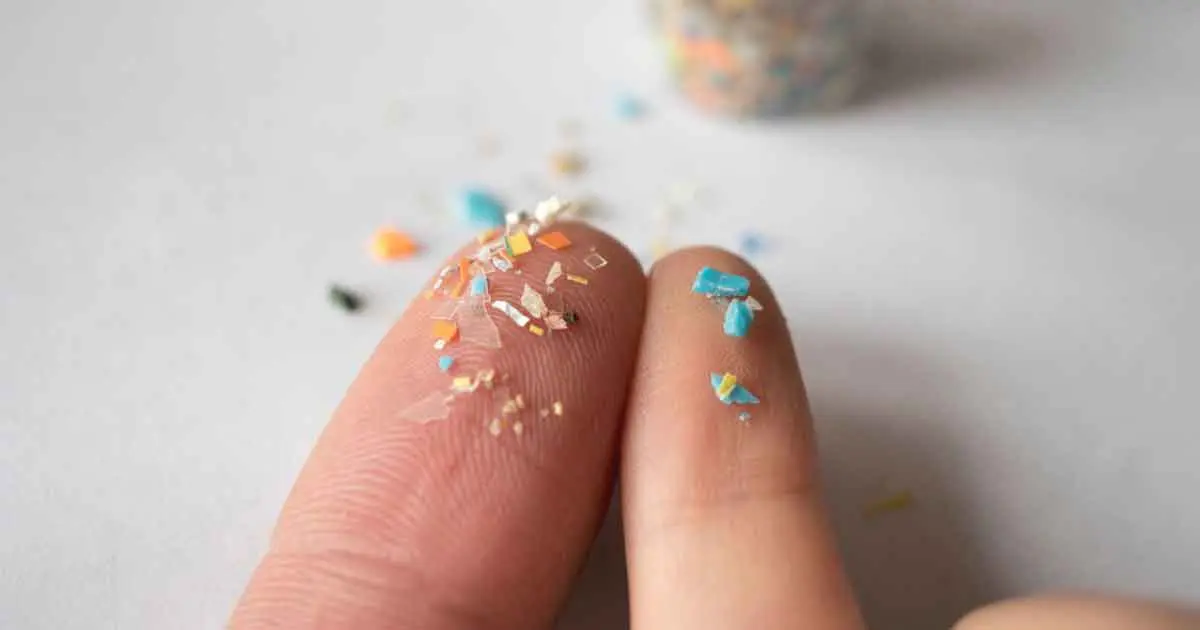
Beyond chemical leaching, plastic bottles shed microplastics and nanoplastics. These particles are small enough to be swallowed and absorbed, and research increasingly shows they do not simply pass through the body. Microplastics have been detected in blood, tissues, and organs, raising concerns about their potential for long-term accumulation. Because fat tissue stores both hormones and toxins, plastic particles lodging there can interfere with normal hormonal regulation.
Links to Broader Health Issues
Emerging research has associated microplastic exposure with increased inflammation, oxidative stress, and potential links to cardiovascular disease and neurodegenerative conditions like Alzheimer’s. While this field is still developing, the trend is clear enough to justify precaution. Reducing direct ingestion of plastic by-products is one of the simplest ways to lower overall toxic burden.
Comparing Long-Term and Short-Term Risk
When weighing plastic clothing against plastic bottles, the difference comes down to exposure pattern. Drinking from plastic delivers contaminants directly into the body in the short term, making it a more immediate concern. Wearing plastic-based clothing creates a slower, ongoing exposure that may be more impactful over the long term, especially when it becomes a daily uniform. Neither exposure exists in isolation, and both contribute to cumulative hormone stress.
The Cumulative Effect of Modern Plastic Living
The real issue isn’t choosing which exposure is worse and ignoring the other; it’s choosing between them. Hormone disruption rarely comes from a single source. It builds from multiple small exposures that compound over time. Clothing, drinkware, food packaging, household dust, and furniture all add to the total load. Reducing even a few primary sources can meaningfully shift the body’s ability to maintain balance.
Choosing Better Fabrics
Switching away from plastic-based activewear doesn’t require eliminating performance or comfort. Natural fibers, such as organic cotton, linen, hemp, and lyocell bamboo, breathe better, reduce chemical contact, and support temperature regulation. They may not dominate trend cycles, but they align better with how the body functions. Even partial replacement of daily-wear items can significantly lower exposure.
Upgrading How You Hydrate
Plastic water bottles are one of the easiest exposures to eliminate. Stainless steel and glass bottles don’t leach endocrine disruptors or shed microplastics. Pairing them with filtered water further reduces contaminants and improves the taste, making consistency easier. This is a slight change with outsized benefits.
A Grounded Non-Toxic Approach
It’s about identifying the most significant sources of exposure and addressing them first. Plastic clothing worn all day and plastic bottles used daily are both high-impact targets. Making thoughtful swaps over time supports hormone health in a practical, sustainable, and common-sense manner, rather than following trends.
References:
- Zhang X, Yu C, Wang P, Yang C. Microplastics and human health: Unraveling the toxicological pathways and implications for public health. Frontiers in Public Health. 2025;13:1567200. doi: 10.3389/fpubh.2025.1567200
Keep updated on latest posts
-

3 Kids’ Clothing Types I’d Think Twice About at Target
Kids’ clothing seems simple until you start looking at what actually goes into making a garment perform a certain way. A T-shirt can be designed…
-

The Cream Cheese Ingredient You May Want to Rethink
Cream cheese seems like one of those foods that should be simple. Milk, cream, salt, maybe a culture, and that’s about it. But flip over…
-

Could Choosing Different Fruits and Vegetables Support Fertility?
When you’re trying to improve fertility, the conversation usually turns to hormones, supplements, sleep, stress, exercise, alcohol, and overall diet. There’s another piece worth considering,…
-

Ricotta Raspberry Toast: An Easy 5-Minute Breakfast
Some mornings you want something that feels a little special without any actual effort. This is that breakfast. Creamy ricotta, sweet-tart raspberries, and a scatter…
One swap a week
Every week, one small change worth making, why it matters, and where to get it. Two minutes, then back to your life.