
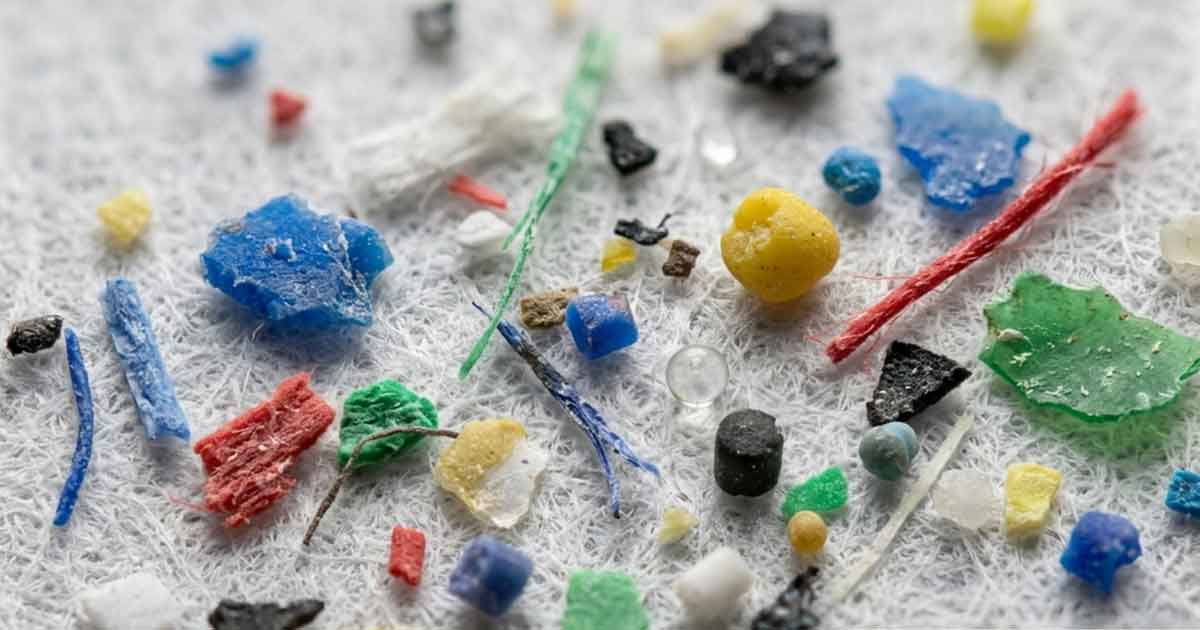
The Biggest Microplastic Sources Hiding in Your Kitchen (Ranked)
Most people think about microplastics in the context of bottled water or plastic straws. But some of the highest daily exposure may come from tools you use multiple times a day: the cutting board, the blender, the kettle.
Thanks to recent research, we also know that many earlier studies underestimated the problem by measuring only larger microplastics, rather than the much smaller nanoplastics now known to exist in far greater numbers. That changes the picture significantly for certain appliances.
This is a guide to identifying the biggest sources of wear and tear so you can make smarter choices as items naturally wear out and need replacement.
What Are Microplastics and Why Do They Matter?
Microplastics are plastic particles smaller than five millimeters. Nanoplastics are smaller still, measured in billionths of a meter, and are now understood to be present in far greater quantities than originally thought.
These particles form when plastic products wear down through friction, heat, sunlight, or repeated use. Researchers have detected them in human blood, lungs, placentas, breast milk, and brain tissue. The long-term health implications are still being studied, but growing evidence links microplastic accumulation to inflammation, oxidative stress, and disruptions in normal cellular function.
The practical response isn’t to eliminate every piece of plastic: it’s to understand which items release the most particles under real-world conditions, and prioritize those when upgrading.
#4: Plastic Cutting Boards
A plastic cutting board seems harmless enough; you’re just chopping vegetables.
The problem is that every knife stroke creates friction against the board’s surface. Those grooves that develop over time aren’t just cosmetic wear: they’re evidence that plastic is being shaved away during normal use.
The research: A 2023 peer-reviewed study published in Environmental Science & Technology estimated that plastic cutting boards can release up to 79 million microplastic particles per year through normal household use. The more scarred the surface, the greater the shedding potential.
Better alternatives:
- Solid hardwood cutting boards (maple or walnut are ideal)
- Bamboo cutting boards
- Wood butcher blocks
Wood develops a smoother wear pattern over time and doesn’t generate plastic particles during food prep. If you use a plastic board specifically for raw meat handling, replace it once it becomes deeply scored rather than continuing to use a heavily damaged surface.
#3: Plastic Coffee Makers
Your morning coffee may be delivering more than caffeine.
Many coffee machines contain plastic tubing, reservoirs, filter baskets, and other components that repeatedly come into contact with hot water during each brew cycle. Most existing research has focused on larger microplastics, but scientists now know nanoplastics are present in far greater numbers and are significantly harder to detect. This means current estimates likely understate total plastic exposure from coffee makers.
The concern isn’t necessarily that every coffee maker is hazardous at current exposure levels. It’s that repeated contact between boiling water and plastic is a logical place to reduce exposure when straightforward alternatives exist.
Better alternatives:
- French press with stainless steel and glass construction
- Pour-over brewers with stainless steel or ceramic drippers
- Glass coffee makers
- Stainless steel percolators
- Electric coffee makers with stainless steel thermal carafes and minimal plastic in the brewing path
#2: Plastic Blenders
This one surprised me more than most.
A peer-reviewed study found that blending ice or frozen fruit in a plastic blender pitcher releases approximately 360 to 780 million microplastic and nanoplastic particles in just 30 seconds.
Why? Ice is abrasive. As frozen ingredients grind against the pitcher’s interior walls at thousands of revolutions per minute, they wear away microscopic amounts of plastic with each use. The harder the ingredients, the greater the abrasion. A pitcher with visible scratches from years of use already shows evidence of this ongoing wear.
Better alternatives:
- Glass blender jars
- Stainless steel blender containers
Many premium blenders now offer stainless steel containers that remove plastic from the blending chamber entirely. If replacing the blender isn’t realistic right now, letting frozen fruit thaw slightly before blending reduces abrasion in the short term. Replacing a heavily scratched pitcher, even before the motor fails, is worth considering.
#1: Plastic Electric Kettles
This is the biggest surprise in the research, and by a significant margin.
A 2025 study from the University of Queensland found that brand-new plastic electric kettles released nearly 3 billion microplastic and nanoplastic particles into a single 250 mL serving during the very first boil.
The numbers dropped dramatically with repeated use, after roughly 150 boils, particle release decreased by more than 99%. That’s encouraging. But it also illustrates how much plastic can be released during the early life of a frequently used appliance. Since kettles heat water that goes directly into tea, coffee, oatmeal, and cooking, the material of the interior is more important than for almost any other kitchen item.
Better alternatives:
- Kettle with a stainless steel interior
- Glass-body kettle
- Stainless steel wherever water contacts the appliance
Important note: some kettles have stainless steel exteriors but still use plastic interiors. Always check the product description for the interior material, not just the outer casing.
Why Heat and Friction Are the Variables That Matter Most
If there’s a pattern here, it’s intentional.
The highest-impact microplastic sources in the kitchen almost always combine:
- Heat
- Friction
- Repeated use
- Direct food or liquid contact
A knife scraping plastic. Ice grinding against a plastic pitcher at high speed. Boiling water is sitting in a plastic kettle. These conditions wear materials down over time and release particles directly into what you eat and drink.
This is why it’s not worth treating every plastic item in your kitchen equally. A plastic lid that rarely touches food under low-friction conditions is a very different concern from a plastic kettle used twice a day with boiling water.
Prioritized Swap List: Highest Impact First
If you’re looking for the most meaningful changes, here’s how to sequence them:
- Replace plastic electric kettles with stainless steel or glass interior models
- Switch to glass or stainless steel blender containers instead of plastic pitchers
- Replace heavily scarred plastic cutting boards with solid hardwood or bamboo
- Upgrade coffee brewing to methods that minimize hot water contact with plastic
- Avoid heating food in plastic containers: microwave in glass or stainless steel
You don’t need to make all five changes today. Even replacing one high-friction, high-heat item meaningfully reduces daily exposure over time.
Frequently Asked Questions
What kitchen items release the most microplastics? Based on current research, plastic electric kettles release the highest volume, a 2025 University of Queensland study found nearly 3 billion microplastic and nanoplastic particles per 250 mL serving during initial use. Plastic blenders come second, with research showing 360 to 780 million particles released in 30 seconds of blending frozen ingredients. Plastic cutting boards rank third, with estimates of up to 79 million particles released annually through normal use. Plastic coffee makers are also significant due to repeated contact with hot water and plastic components.
Are microplastics in kitchen items dangerous? Science is still developing. Researchers have detected microplastics in human blood, lungs, placentas, breast milk, and brain tissue, and growing evidence links their accumulation to inflammation, oxidative stress, and cellular disruption. Long-term health implications at real-world exposure levels are not yet fully established. Most researchers recommend reducing unnecessary exposure where practical, which underpins prioritizing the replacement of high-friction, high-heat plastic kitchen items.
What is the safest cutting board material? Solid hardwood, particularly maple or walnut, is generally considered the safest cutting board material for reducing exposure to plastic particles. Unlike plastic boards, wood develops a smoother wear pattern over time and doesn’t shed plastic particles during cutting. Bamboo is another natural alternative. If plastic boards are used for raw meat handling, they should be replaced once they become heavily scored, rather than continuing to use damaged surfaces.
Do stainless steel or glass blenders really make a difference? Yes, significantly. Research has found that plastic blender pitchers release hundreds of millions of microplastic and nanoplastic particles during a single 30-second blending cycle when processing hard or frozen ingredients. Stainless steel and glass containers eliminate this source of plastic exposure. This makes the blender container one of the highest-value material upgrades available to frequent smoothie or food-processing users.
How do I know if my electric kettle has a plastic interior? Check the product description specifically for interior material, not just the exterior casing. Many kettles have stainless steel bodies but still use plastic for interior components, lids, or filter areas that come into direct contact with water. Look for products that explicitly state “stainless steel interior” or “100% stainless steel water contact surface.” Glass-body kettles are another option where the interior material is immediately visible.
References:
- Zhang X, Yu C, Wang P, Yang C. Microplastics and human health: Unraveling the toxicological pathways and implications for public health. Frontiers in Public Health. 2025;13:1567200. doi: 10.3389/fpubh.2025.1567200
- Snekkevik VK, Cole M, Gomiero A, Haave M, Khan FR, Lusher AL. Beyond the food on your plate: Investigating sources of microplastic contamination in home kitchens. Heliyon. 2024;10(15):e35022. doi: 10.1016/j.heliyon.2024.e35022
- Yee, M. S., Hii, L. W., Looi, C. K., Lim, W. M., Wong, S. F., Kok, Y. Y., Tan, B. K., Wong, C. Y., & Leong, C. O. (2021). Impact of microplastics and nanoplastics on human health. Nanomaterials, 11(2), 496.https://doi.org/10.3390/nano11020496
- Tsochatzis, E. D., Gika, H., Theodoridis, G., Maragou, N., Thomaidis, N., & Corredig, M. (2024). Microplastics and nanoplastics: Exposure and toxicological effects require important analysis considerations. Heliyon, 10(11), e32261.https://doi.org/10.1016/j.heliyon.2024.e32261
Keep updated on latest posts
-
Why We Switched to Copper Water (And What the Science Actually Says)
For years, our kitchen routine was simple. Filtered water in stainless steel bottles and stainless steel cookware; we considered them among the safest material choices…
-
The Biggest Microplastic Sources Hiding in Your Kitchen (Ranked)
Most people think about microplastics in the context of bottled water or plastic straws. But some of the highest daily exposure may come from tools…
-
Homemade Sourdough Uncrustables: Freezer Lunch Swap
There is a reason the sealed, crustless sandwich became a lunchbox legend. It is easy, there is no crust to negotiate, and you can pull…
-
How to Choose Safer School Supplies This Back-to-School Season
Every back-to-school season, I see the same thing: carts overflowing with crayons, markers, notebooks, backpacks, and lunch gear. Most of us grab whatever’s on the…
One swap a week
Every week, one small change worth making, why it matters, and where to get it. Two minutes, then back to your life.