
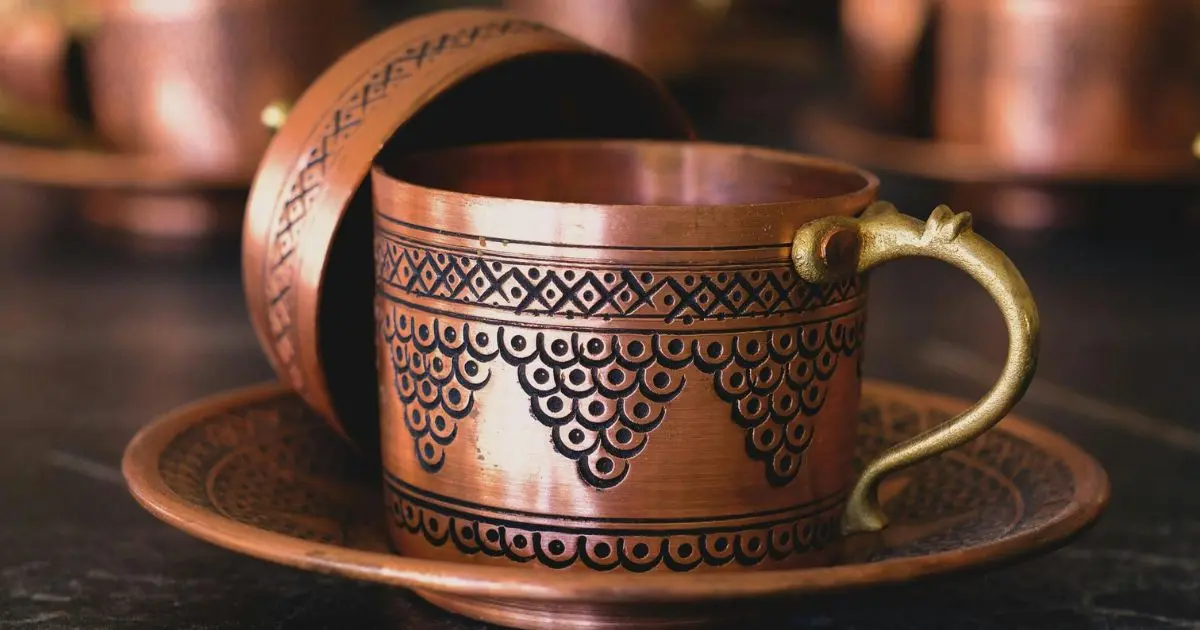
Why We Switched to Copper Water (And What the Science Actually Says)
For years, our kitchen routine was simple. Filtered water in stainless steel bottles and stainless steel cookware; we considered them among the safest material choices for everyday use. I still do.
So when my wife decided she wanted to start storing drinking water in a copper vessel, I was skeptical. Why switch from something that’s working?
The answer had nothing to do with a wellness trend or a viral hack. It started with bloodwork. She’d been dealing with ongoing fatigue and noticeable hair loss. Like most people, we thought iron first. Her labs confirmed she was low. But when we started looking at the actual science behind iron metabolism, something I hadn’t fully appreciated emerged:
Your body doesn’t just need iron. It needs copper to use it.
That one detail changed how I thought about copper entirely.
The Iron-Copper Connection Most People Don’t Know About
When someone hears “low iron,” the conversation usually goes straight to red meat or iron supplements. But iron metabolism is significantly more complex than that.
Your body has to absorb iron, transport it, store it, and release it when needed. Every one of those steps involves multiple nutrients working together, and copper is one of the most important.
Copper is required for a protein called ceruloplasmin, which helps convert iron into a form the body can transport through the bloodstream. Without adequate functional copper, iron can become trapped in storage rather than reaching the tissues that actually need it.
That doesn’t mean every person with low iron has a copper deficiency. It means copper plays a much bigger role in healthy iron metabolism than most wellness conversations acknowledge, and that chasing a single nutrient rarely tells the whole story.
What Copper Actually Does in the Body
Copper is an essential trace mineral involved in far more than iron metabolism. Most people never think about it unless they’re shopping for cookware.
Copper supports:
- Energy production inside cells
- Connective tissue and collagen formation
- Healthy blood vessel function
- Antioxidant defense systems (it’s a component of superoxide dismutase)
- Nervous system function
- Iron metabolism via ceruloplasmin
Because the body requires only small amounts, copper deficiency is uncommon in healthy adults who eat a varied diet. That said, certain digestive conditions, restrictive eating patterns, long-term high-dose zinc supplementation, or specific medical conditions can interfere with copper status.
Important: persistent fatigue, hair loss, or signs of anemia always warrant a proper medical evaluation, not a self-diagnosis based on a blog post. Our experience wasn’t about self-diagnosing. It was about understanding how interconnected nutrition actually is.
Tamra Jal: An Ancient Practice With Modern Research Behind It
Once we started looking at copper more seriously, we kept coming across an Ayurvedic practice called Tamra Jal: storing drinking water overnight in a solid copper vessel and then drinking it in the morning.
This was simply how many households stored water for centuries. Today, researchers have started studying what actually happens during that process.
As water sits in copper, small amounts naturally dissolve into it. That’s basic chemistry. The more interesting question is whether those amounts stay within safe limits.
What the Research Shows About Copper Concentration in Water
A 2022 study published in Applied Water Science measured copper concentrations in water stored in copper vessels over varying time periods.
The findings: measurable copper entered the water within about half a day. Even after storing water for a full week, copper concentrations remained below safety limits set by both the World Health Organization (WHO) and the U.S. Environmental Protection Agency (EPA).
That doesn’t mean leaving water in a copper vessel for a week is necessary or recommended. It simply suggests the traditional overnight method stays comfortably within established drinking-water guidelines. The practice that’s been used for centuries turns out to be well calibrated for safety.
Copper’s Effect on Water Quality: The Antimicrobial Angle
One aspect of copper water that often gets overlooked has nothing to do with nutrition.
Copper has long been recognized for its antimicrobial properties. Hospitals have studied copper surfaces because many bacteria and viruses survive far shorter periods on copper than on plastic or stainless steel.
Researchers have observed a similar effect with stored water. One study found that storing contaminated water overnight in copper vessels effectively eliminated E. coli, a common source of waterborne illness.
This doesn’t mean a copper vessel replaces proper water filtration. If your water isn’t safe to drink, copper storage won’t fix that. But it is notable that a traditional practice also appears to improve microbial quality under certain conditions; sometimes, old habits persist because they quietly solve real problems long before anyone understands the mechanism.
How to Use a Copper Water Vessel Correctly
The details matter here. Getting this wrong either eliminates the benefit or creates unnecessary risk.
Choose solid, uncoated copper. Some decorative copper bottles have stainless steel interiors or protective linings. If water never comes into contact with the copper, nothing happens. Look for solid copper with no interior coating.
Use plain filtered drinking water only. Do not use hot liquids, citrus juice, vinegar, or any acidic drinks. Acid dramatically accelerates copper leaching, pushing concentrations far beyond the safe overnight range.
Let it sit at room temperature overnight. Eight to twelve hours is the traditional window, enough time for beneficial copper transfer without approaching concerning levels, no need to leave it for days.
Drink one to three cups in the morning. This isn’t about replacing all your daily water intake. Most people simply drink one to three cups from the copper vessel in the morning, then switch back to normal filtered water for the rest of the day.
More is not better. Like every essential mineral, copper follows a clear principle: too little isn’t ideal, but too much creates its own problems.
Who Should Not Use Copper Water
This practice is not appropriate for everyone.
People with Wilson’s disease, a rare genetic condition causing copper to accumulate in the body, should avoid it entirely. The same applies to anyone on medications or medical treatment that specifically affects copper metabolism.
If you have any questions about your individual health situation, discuss them with your healthcare provider before starting any new mineral-focused practice. Always check with your doctor based on your own health needs.
What I Actually Like Most About This Habit
The biggest reason I appreciate copper water now isn’t that I expect dramatic health changes from it. It’s the mindset shift it represents.
Instead of asking “what’s the newest supplement I should buy?” it asks “what simple daily habit can I build that supports my health over time?” Filling a copper vessel before bed takes less than a minute. It encourages hydration first thing in the morning. And it reconnects us with a practice that’s been used for centuries, one that, it turns out, is backed by real science explaining why it works.
Frequently Asked Questions
Is it safe to drink water stored in a copper vessel? Yes, when done correctly. A 2022 study published in Applied Water Science found that copper concentrations in water stored overnight in copper vessels remained below safety limits established by both the WHO and the EPA, even after a full week of storage. The key is to use plain filtered water (not acidic drinks), a solid, uncoated copper vessel, and the traditional overnight timeframe of 8–12 hours. People with Wilson’s disease or specific copper-related medical conditions should avoid it and consult their doctor.
What is Tamra Jal? Tamra Jal is a traditional Ayurvedic practice of storing drinking water in a solid copper vessel overnight and consuming it the following morning. The practice has been used for centuries in South Asian households to infuse water with small amounts of copper naturally. Modern research has begun validating why this works: small amounts of copper dissolve safely into the water during storage, and copper’s well-documented antimicrobial properties may also improve water quality under certain conditions.
What is the connection between copper and iron deficiency? Copper is required for the production of ceruloplasmin, a protein that helps convert stored iron into a form the body can transport through the bloodstream. Without adequate copper, iron can remain trapped in storage rather than reaching tissues where it’s needed, which means copper deficiency can functionally contribute to symptoms of iron deficiency even when iron stores aren’t actually depleted. This doesn’t mean everyone with low iron has a copper issue, but it illustrates why addressing iron in isolation sometimes produces incomplete results.
Does copper water kill bacteria? Research has shown that copper has significant antimicrobial properties. Studies have found that storing water in copper vessels can effectively reduce or eliminate E. coli and other bacteria from contaminated water within hours. Hospitals have studied copper surfaces for the same reason: pathogens survive far shorter periods on copper than on plastic or stainless steel. That said, a copper vessel is not a replacement for proper water filtration or treatment if your water source is unsafe.
How much copper does overnight water storage add? The 2022 Applied Water Science study found that measurable copper entered water within approximately 12 hours of storage, with concentrations remaining below WHO and EPA safety thresholds even after a full week. The amounts are trace-level additions that bring copper concentrations within or close to the range of copper naturally present in many municipal water supplies. The overnight method used traditionally appears to be a naturally well-calibrated dose.
Who should not drink copper water? People with Wilson’s disease, a rare genetic disorder that causes copper to accumulate abnormally in the body, should not use copper water vessels. Anyone with copper-related metabolic conditions or those on medications that affect copper metabolism should consult their healthcare provider before trying this practice. As with any mineral-focused health habit, individual health context matters, and a doctor’s guidance is always the right starting point for anyone with existing health conditions.
References:
- Institute of Medicine (US) Panel on Micronutrients. Dietary Reference Intakes for Vitamin A, Vitamin K, Arsenic, Boron, Chromium, Copper, Iodine, Iron, Manganese, Molybdenum, Nickel, Silicon, Vanadium, and Zinc. Washington (DC): National Academies Press (US); 2001. Chapter 7: Copper. Available at:https://www.ncbi.nlm.nih.gov/books/NBK222312/
- Lopez, M. J., Royer, A., & Shah, N. J. (2023). Biochemistry, Ceruloplasmin. In StatPearls [Internet]. StatPearls Publishing.NCBI Bookshelf
Keep updated on latest posts
-

3 Kids’ Clothing Types I’d Think Twice About at Target
Kids’ clothing seems simple until you start looking at what actually goes into making a garment perform a certain way. A T-shirt can be designed…
-

The Cream Cheese Ingredient You May Want to Rethink
Cream cheese seems like one of those foods that should be simple. Milk, cream, salt, maybe a culture, and that’s about it. But flip over…
-

Could Choosing Different Fruits and Vegetables Support Fertility?
When you’re trying to improve fertility, the conversation usually turns to hormones, supplements, sleep, stress, exercise, alcohol, and overall diet. There’s another piece worth considering,…
-

Ricotta Raspberry Toast: An Easy 5-Minute Breakfast
Some mornings you want something that feels a little special without any actual effort. This is that breakfast. Creamy ricotta, sweet-tart raspberries, and a scatter…
One swap a week
Every week, one small change worth making, why it matters, and where to get it. Two minutes, then back to your life.