
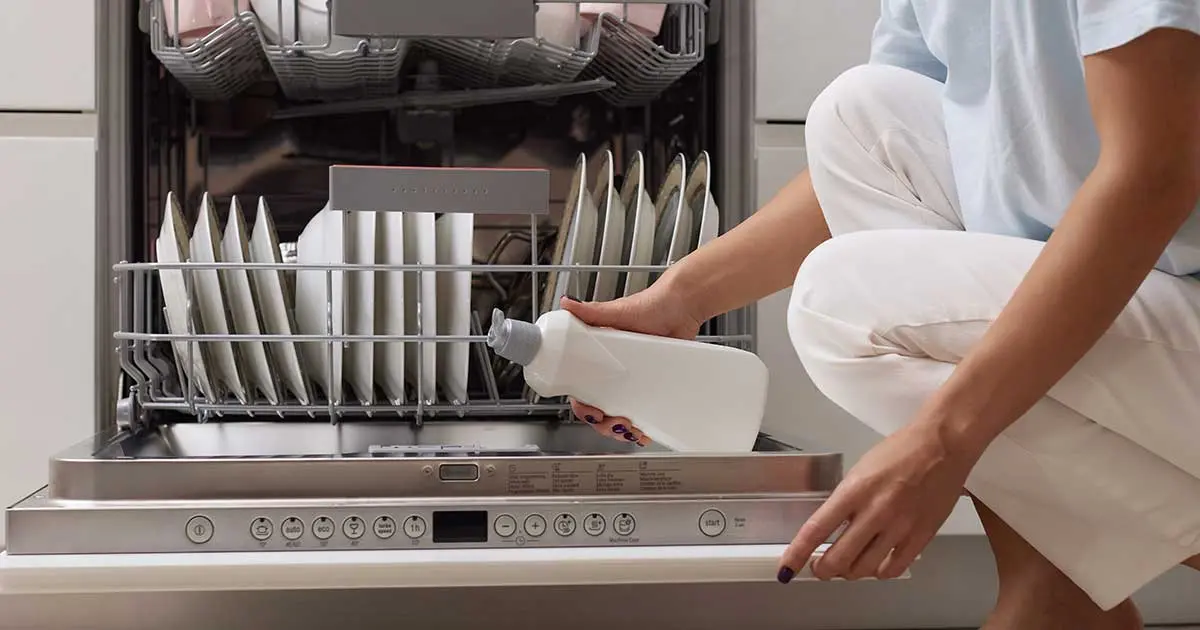
Toxic Rinse Aids: A Hidden Health Risk
Dishwashers have revolutionized how we clean our dishes, making the process faster, more efficient, and more convenient. But what happens when the products we rely on to keep our dishes sparkling clean leave behind harmful residues? Many rinse aids, designed to reduce streaking and water spots, contain toxic chemicals that may do more harm than good—not just to your dishes, but to your health. Let’s explore why you should ditch toxic rinse aids, what’s in them, and how you can make your dishwashing routine safer and more effective.
What’s in Rinse Aids?
Rinse aids are marketed as the ultimate solution to spotless dishes. They work by reducing water’s surface tension, allowing it to slide off dishes more easily and preventing streaks or spots caused by hard water. But to achieve this, most conventional rinse aids rely on a cocktail of chemicals, many of which pose risks to your health.
One of the primary ingredients in rinse aids is ethyl oxalate, a chemical known for its ability to break down and disperse water droplets. While effective for cleaning, studies have shown that ethyl oxalate can leave residues on your dishes that don’t wash away during the rinse cycle. When ingested over time, these residues may damage the epithelial lining of your gut, the critical barrier that protects your body from harmful viruses, bacteria, and toxins. A compromised gut lining can lead to inflammation, gut dysbiosis, and an increased risk of chronic health issues like leaky gut syndrome and autoimmune disorders.
In addition to ethyl oxalate, many rinse aids also contain other harmful chemicals like:
- Artificial fragrances: Linked to allergies, hormone disruption, and respiratory issues.[1]
- Dyes: Synthetic colorants that serve no functional purpose but can introduce unnecessary toxins into your home.[2]
- Preservatives like formaldehyde-releasing agents: Used to extend shelf life but associated with carcinogenic risks.[3]
How Toxic Rinse Aids Affect Your Health
Your gut is one of your body’s most vital systems, serving as a barrier between the outside world and your internal organs. It houses about 70% of your immune system, is critical in nutrient absorption, and is essential for overall health. When rinse aid residues remain on your dishes, you risk introducing harmful chemicals directly into your body with every meal.
The epithelial lining of your gut is particularly vulnerable. This thin layer of cells acts as a protective shield, preventing harmful substances from entering your bloodstream. Toxic residues, like those from ethyl oxalate, can weaken this lining over time, leading to a phenomenon commonly called “leaky gut.” When the gut barrier is compromised, toxins, bacteria, and undigested food particles can enter your bloodstream, triggering inflammation and potentially leading to chronic health conditions.[4]
Better Alternatives to Toxic Rinse Aids
You don’t need to rely on toxic rinse aids to achieve clean, streak-free dishes. With a few simple swaps and practices, you can protect your health while keeping your dishwasher performing at its best.
- Clean Your Dishwasher Regularly
A dirty dishwasher is a breeding ground for bacteria, mold, and mineral buildup, which can affect the cleanliness of your dishes. Cleaning it regularly ensures it operates efficiently and reduces the need for additional cleaning products like rinse aids. Use white vinegar to clean your dishwasher by pouring a cup into the bottom of the machine and running it on a hot, empty cycle. This helps dissolve buildup, remove odors, and improve overall performance. - Use Sodium-Based Detergents
If you have hard water, streaking and spotting are often caused by mineral deposits. Sodium-based detergents can naturally soften the water, helping reduce spots without needing a separate rinse aid. Look for non-toxic, eco-friendly brands that avoid phosphates and artificial additives. - Add White Vinegar to Each Load
White vinegar is a natural, affordable, and highly effective alternative to commercial rinse aids. Add 1–2 tablespoons to the rinse compartment or directly to the bottom of the dishwasher for a streak-free finish. Vinegar works by breaking down mineral deposits, leaving your dishes clean and shiny without harmful residues. If your dishwasher’s manual advises against using vinegar directly, consider placing a small cup of vinegar upright in the top rack as an alternative. - Adjust Your Dishwasher Settings
Modern dishwashers often have settings that can reduce or eliminate the need for rinse aids. Use higher water temperatures to improve cleaning power and ensure proper drying. If your dishwasher has a hard water setting, enable it to address streaking issues caused by minerals. - Air-Dry Your Dishes
Using the air-dry feature or manually opening the dishwasher door after the complete cycle allows dishes to dry without introducing additional chemicals. While it may take slightly longer, air drying is a simple way to avoid relying on rinse aids altogether.
How to Transition to a Non-Toxic Dishwashing Routine
Switching to safer dishwashing practices doesn’t have to be complicated. Start by replacing toxic rinse aids with natural alternatives like vinegar or non-toxic sodium-based detergents. Clean your dishwasher regularly to improve its efficiency and avoid buildup. Over time, these changes will protect your health and save you money by reducing reliance on unnecessary products.
The Bottom Line
Rinse aids may promise spotless dishes, but their toxic residues pose hidden risks to your health, particularly your gut. By removing these harmful products from your routine and adopting safer, non-toxic alternatives, you can protect your family while maintaining a clean kitchen. You can enjoy sparkling dishes without compromising your well-being with simple changes like regular dishwasher maintenance, sodium-based detergents, and natural alternatives like white vinegar. Take control of your health, starting with what touches your food daily.
References:
- Rádis-Baptista, Gandhi. “Do Synthetic Fragrances in Personal Care and Household Products Impact Indoor Air Quality and Pose Health Risks?” Journal of Xenobiotics, vol. 13, no. 1, Mar. 2023, pp. 121–31.
- Ardila-Leal, Leidy D., et al. “A Brief History of Colour, the Environmental Impact of Synthetic Dyes and Removal by Using Laccases.” Molecules, vol. 26, no. 13, June 2021, p. 3813.
- Program, National Toxicology. “Formaldehyde.” 15th Report on Carcinogens [Internet], National Toxicology Program, 2021.
- Ogulur, Ismail, et al. “Gut Epithelial Barrier Damage Caused by Dishwasher Detergents and Rinse Aids.” The Journal of Allergy and Clinical Immunology, vol. 151, no. 2, Feb. 2023, pp.
Keep updated on latest posts
-

3 Kids’ Clothing Types I’d Think Twice About at Target
Kids’ clothing seems simple until you start looking at what actually goes into making a garment perform a certain way. A T-shirt can be designed…
-

The Cream Cheese Ingredient You May Want to Rethink
Cream cheese seems like one of those foods that should be simple. Milk, cream, salt, maybe a culture, and that’s about it. But flip over…
-

Could Choosing Different Fruits and Vegetables Support Fertility?
When you’re trying to improve fertility, the conversation usually turns to hormones, supplements, sleep, stress, exercise, alcohol, and overall diet. There’s another piece worth considering,…
-

Ricotta Raspberry Toast: An Easy 5-Minute Breakfast
Some mornings you want something that feels a little special without any actual effort. This is that breakfast. Creamy ricotta, sweet-tart raspberries, and a scatter…
One swap a week
Every week, one small change worth making, why it matters, and where to get it. Two minutes, then back to your life.