
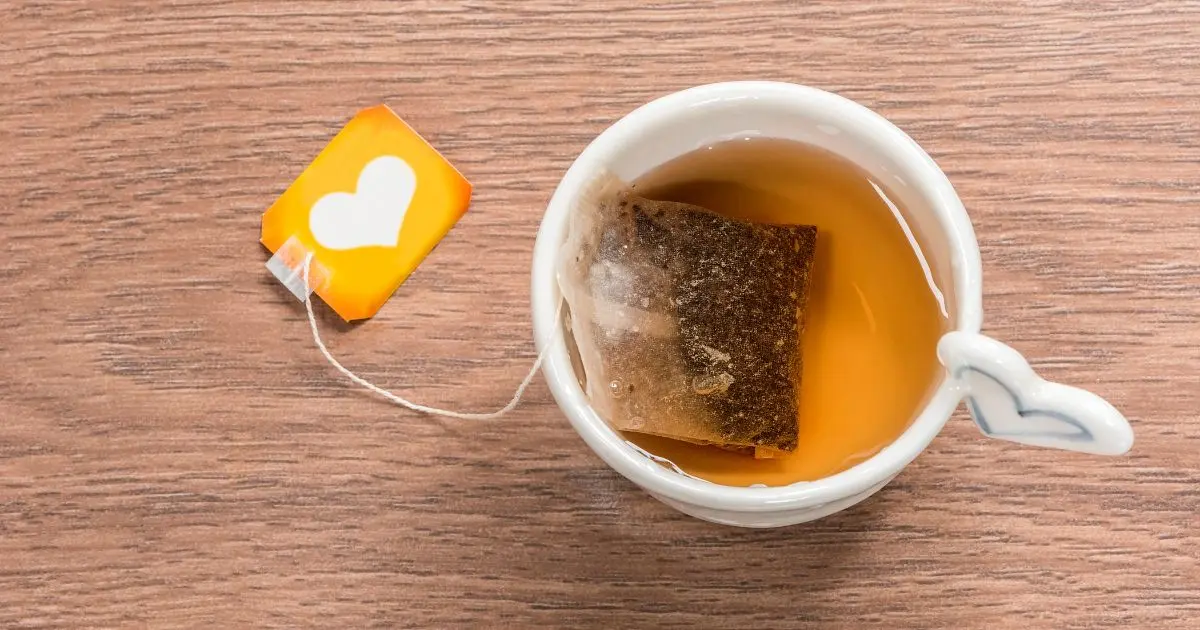
What’s Really in Your Tea Bag? What to Know Before Your Next Cup
A cup of tea seems pretty simple: hot water, tea leaves, and a few minutes to let everything steep. But have you ever stopped to think about what your tea bag is made of? Some tea bags contain plastic fibers or plastic components that can release microplastics and nanoplastics when exposed to hot water. That doesn’t mean every tea bag is a problem, or that drinking tea is something to worry about. It does mean the material deserves a closer look, especially if tea is part of your daily routine. Here’s what I’ve learned about tea bag materials, what the research actually says, and the simple swap I consider when making my next cup.
Quick Overview: What to Know About Tea Bags
- Not all tea bags are made the same way: Some use paper, while others contain nylon, polypropylene, or other plastic components.
- Hot water can release particles from certain tea bags: Studies have detected microplastics and nanoplastics released during brewing, particularly from plastic-containing materials.
- Paper doesn’t automatically mean plastic-free: Some bags combine paper fibers with sealing materials or other components.
- Loose-leaf tea is an easy alternative: A reusable stainless steel infuser or tea strainer lets you brew tea without a disposable tea bag.
What’s Actually in a Tea Bag?
The first thing to understand is that “tea bag” refers to how tea is packaged, not to the material used to make the bag. Traditional tea bags may be made primarily from paper fibers, while some modern pyramid-shaped bags use nylon, polypropylene, or other synthetic materials. Other products use a combination of cellulose fibers and plastic-based components, including materials for sealing the bag.
This matters because two tea bags that look almost identical can have very different compositions. A silky mesh bag, for example, may contain plastic, but appearance alone isn’t enough to identify the material. Likewise, a paper-looking bag isn’t necessarily plastic-free.
Can Tea Bags Release Microplastics Into Your Tea?
Research suggests that certain tea bags can release microplastics and nanoplastics during brewing. In a widely cited 2019 study, researchers found that steeping a single plastic tea bag at 95°C released billions of particles into the water under the experimental conditions tested. The study examined specific nylon and polyethylene terephthalate tea bags, so its findings shouldn’t be applied to every tea bag on the market.
A 2024 review of research on microplastics in tea also identified tea bags as a significant potential source of particle exposure and highlighted differences across materials and analytical methods. Those differences matter because researchers don’t always use the same techniques to collect, identify, and count particles. As a result, reported quantities can vary considerably between studies.
Does Organic or Biodegradable Tea Mean a Safer Tea Bag?
Organic tea can be a good option for shoppers who want to consider how tea leaves are grown. However, organic certification generally refers to agricultural production standards; it doesn’t automatically indicate what material the tea bag is made of. You can have organic tea in a bag that contains plastic components, just as conventional tea may be sold in a plastic-free format.
Biodegradable and compostable labels also deserve a closer look. These terms describe how materials break down under specific conditions, and they don’t automatically indicate that a bag is free of plastic or won’t release particles during brewing. Some products marketed as environmentally friendly use composite materials, which can make their actual composition less obvious.
If avoiding plastic in your tea bag is a priority, look for explicit information about the entire bag, including its mesh, seams, and sealing materials. If the manufacturer doesn’t disclose those details, don’t assume the product is plastic-free simply because the tea itself is organic or the packaging looks like paper.
The Simple Swap: Try Loose-Leaf Tea
One of the easiest ways to avoid disposable tea bags altogether is to switch to loose-leaf tea. You don’t need an elaborate tea setup or expensive equipment. A reusable stainless steel infuser, a simple tea strainer, and your favorite loose-leaf blend are enough to get started.
Loose-leaf tea also gives you control over how much tea you use and makes it easy to experiment with different varieties. You can prepare a single cup in a mug or make a larger pot to share. When you’re finished, empty the leaves into your compost or food-waste collection if your local system accepts them, and rinse the infuser.
This swap won’t eliminate every possible source of microplastics in your daily life, and loose-leaf tea itself can be contaminated during production, processing, or packaging. But it removes the disposable tea bag as one potential source of particles, and the reusable infuser can last for years with basic care.
If loose-leaf tea isn’t convenient for you, there’s no need to abandon tea bags entirely. Instead, look for brands that clearly disclose their bag materials and choose an option that fits your preferences and routine.
How to Choose a Better Tea Bag
If you prefer the convenience of tea bags, a few quick checks can help you make a more informed purchase.
Check the bag material. Look for specific details about whether the bag is made from paper, nylon, polypropylene, or another material. When avoiding plastic, verify that the entire bag, including its seals, aligns with that preference.
Don’t rely on appearance alone. A silky pyramid bag may contain plastic, but so can some products that appear more paper-like. Packaging claims and manufacturer disclosures are more useful than visual guesses.
Separate the tea from the packaging. Organic certification, sourcing information, and ingredient quality are worth considering, but they don’t automatically determine the bag’s composition.
Keep the bigger picture in mind. Tea can still be part of an enjoyable daily routine. Choosing a different brewing method is one practical step to reduce your exposure to potential microplastics.
A Small Change for Your Next Cup
I still think tea should be one of those simple things you can enjoy without overthinking it. But once you know that some tea bags contain plastic and that certain materials can release particles into hot water, it’s worth checking what you’re using. For me, loose-leaf tea and a reusable infuser are an easy alternative that lets me enjoy the same daily ritual with less disposable packaging. If you’re not ready to switch, start by checking the material of your favorite tea bag. Sometimes the most useful change is simply knowing what you’re buying.
Frequently Asked Questions About Tea Bags
Do all tea bags contain plastic?
No. Tea bags vary by manufacturer and material. Some are made primarily from paper fibers, while others contain nylon, polypropylene, or composite materials. Check the manufacturer’s material disclosures to avoid plastic.
Can microplastics from tea bags affect your health?
Some studies have demonstrated that certain tea bags release microplastics and nanoplastics during brewing. However, the health effects of typical dietary exposure to these particles are not yet fully understood. Evidence of particle release should not be confused with proof that drinking tea prepared in a particular bag causes illness.
Are paper tea bags plastic-free?
Not necessarily. Some paper-based bags use additional materials for sealing or strength. If you want to avoid plastic, look for confirmation that the entire bag, including its seams and seals, is plastic-free.
Is loose-leaf tea a better option?
Loose-leaf tea brewed with a reusable stainless steel infuser eliminates the need for a disposable tea bag. It’s a practical alternative if you want to reduce packaging waste or avoid potential particle release from tea-bag materials.
Does organic tea mean the tea bag is safer?
Not automatically. Organic certification addresses agricultural production standards, not necessarily the material used to make the bag. Check both the tea’s certification and the packaging information.
References:
- Hernandez LM, Xu EG, Larsson HC, Tahara R, Maisuria VB, Tufenkji N. Plastic Teabags Release Billions of Microparticles and Nanoparticles into Tea. Environmental Science & Technology. 2019;53(21):12300–12310. Available at:https://pubmed.ncbi.nlm.nih.gov/31552738/
- Microplastics and nanoplastics in tea: Sources, characteristics, and potential impacts. Food Chemistry. 2024. Available at:https://pubmed.ncbi.nlm.nih.gov/39608112/
- Sanei ME, et al. Tea bags as a hidden source of micro- and nanoplastics: a systematic review for food safety. Current Research in Food Science. 2026;12:101425. Available at:https://pubmed.ncbi.nlm.nih.gov/42099858/
Keep updated on latest posts
-
What’s Really in Your Tea Bag? What to Know Before Your Next Cup
A cup of tea seems pretty simple: hot water, tea leaves, and a few minutes to let everything steep. But have you ever stopped to…
-
Dark Chocolate this Halloween: Ingredients, Safety, and Smarter Swaps
Halloween is the time of year when chocolate seems to be everywhere, from trick-or-treat bags and party bowls to the seasonal treats lining grocery store…
-
Best Organic Coffee at Costco: 4 Brands Compared
I recently compared four organic coffees at Costco, and the one I chose wasn’t the brand I expected. It was also the cheapest bag on…
-
Heirloom Pumpkin Scones
A bakery-style pumpkin scone made with stone-ground heirloom wheat flour, free of bleach, bromate, and conventional additives, for a cozy fall bake you can feel…
One swap a week
Every week, one small change worth making, why it matters, and where to get it. Two minutes, then back to your life.