
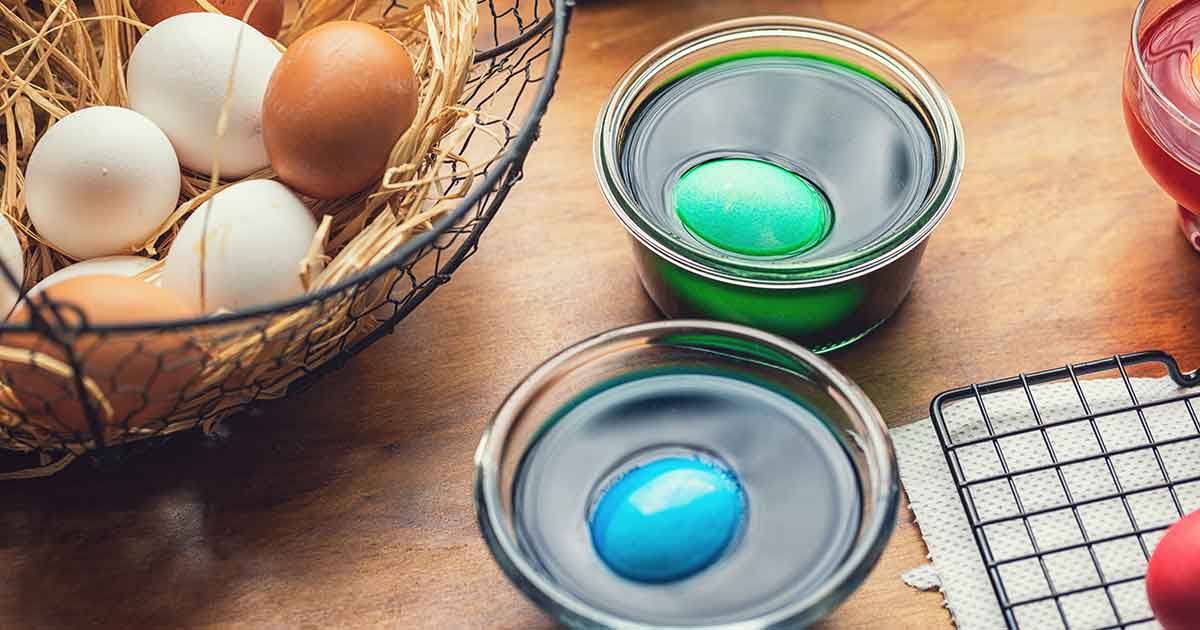
Homemade Natural Easter Egg Dye Recipe
Coloring Easter eggs is a cherished tradition in many families, symbolizing the joy of spring and bringing together loved ones for fun and creativity. However, many store-bought dyes contain artificial colors and chemicals you might prefer to avoid, especially if you’re concerned about children’s exposure to toxins.
Luckily, nature offers a beautiful array of vibrant colors that are completely safe, non-toxic, and simple to use. This Easter, skip the chemical dyes and enjoy a relaxing, family-friendly activity by creating homemade egg dyes using ingredients from your own kitchen like beets, turmeric, cabbage, spinach, and onion skins. The results are charmingly pastel-colored eggs you can feel great about displaying (and even eating)!
Ingredients:
- White eggs (pasture-raised or organic recommended)
- White vinegar
- Water
- Glass jars or bowls
- Spoons for handling eggs
- Towels or drying racks
Natural Dye Ingredients by Color:
- Pink/Red: 2 cups chopped fresh beets
- Yellow: 2 tablespoons turmeric powder
- Blue: 3 cups shredded purple cabbage
- Green: 3 cups fresh spinach leaves
- Orange/Brown: Skins from 4-6 yellow onions
Instructions:
Step 1: Hard-Boil Your Eggs
- Place eggs gently into a saucepan, cover with cold water, and bring to a boil.
- Remove from heat, cover, and let eggs sit for 10-12 minutes.
- Cool eggs immediately in cold water, then dry gently.
Step 2: Make the Natural Dyes
Prepare separate baths for each color:
Pink/Red (Beets):
- Simmer beets in 3 cups water for 15-20 minutes.
- Strain into a bowl, then mix in 2 tablespoons white vinegar.
Yellow (Turmeric):
- Bring 3 cups water and turmeric powder to a boil.
- Simmer gently for 10 minutes, remove from heat, and add vinegar.
Blue (Purple Cabbage):
- Simmer cabbage in 3 cups water for 20 minutes.
- Strain and stir in vinegar.
Green (Spinach):
- Simmer spinach in 3 cups water for 20 minutes.
- Strain and mix in vinegar.
Orange/Brown (Onion Skins):
- Simmer onion skins in 3 cups water for 20 minutes.
- Strain and add vinegar.
Step 3: Dye Your Eggs
- Allow dye baths to cool to room temperature.
- Place eggs gently into dye and refrigerate, soaking at least 2-4 hours or overnight for more vibrant colors.
- Gently rotate eggs occasionally to color evenly.
Step 4: Dry and Enjoy
- Remove eggs carefully and place them onto towels or drying racks.
- Once dry, gently polish with coconut or olive oil for added shine (optional).
Helpful Tips:
- Longer soaking yields richer, deeper colors.
- Natural dyes produce lovely pastel shades, perfect for springtime celebrations.
- To avoid staining hands, use gloves when handling eggs dyed with beet or turmeric.
Gather your loved ones and enjoy creating these naturally vibrant, non-toxic Easter eggs that celebrate both family tradition and healthful living. Happy Easter!
Keep updated on latest posts
-

3 Kids’ Clothing Types I’d Think Twice About at Target
Kids’ clothing seems simple until you start looking at what actually goes into making a garment perform a certain way. A T-shirt can be designed…
-

The Cream Cheese Ingredient You May Want to Rethink
Cream cheese seems like one of those foods that should be simple. Milk, cream, salt, maybe a culture, and that’s about it. But flip over…
-
Could Choosing Different Fruits and Vegetables Support Fertility?
When you’re trying to improve fertility, the conversation usually turns to hormones, supplements, sleep, stress, exercise, alcohol, and overall diet. There’s another piece worth considering,…
-

Ricotta Raspberry Toast: An Easy 5-Minute Breakfast
Some mornings you want something that feels a little special without any actual effort. This is that breakfast. Creamy ricotta, sweet-tart raspberries, and a scatter…
One swap a week
Every week, one small change worth making, why it matters, and where to get it. Two minutes, then back to your life.