
Non-Toxic Pet Care: 7 Simple Ways to Reduce Everyday Exposures
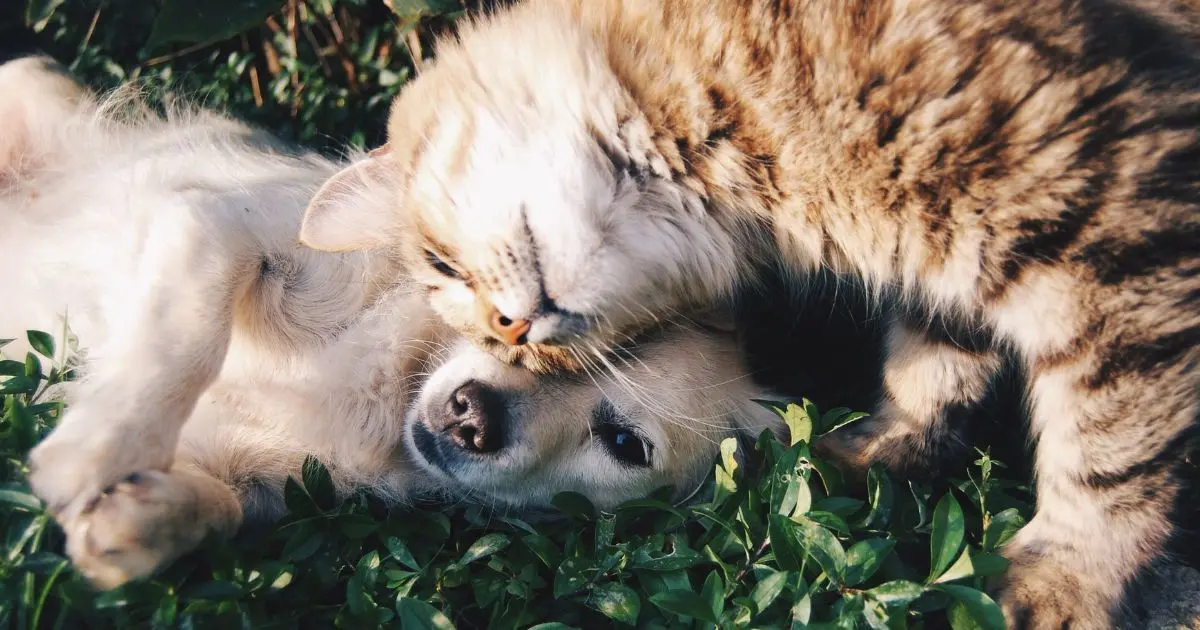
Non-toxic pet care starts with something simple: paying attention to what your pets eat, drink from, sleep on, walk through, and come into contact with every day. Dogs and cats are closer to the ground than we are; they explore their surroundings with their noses and mouths, and they regularly lick their paws and coats.
Today, I focus on repeated exposures first because those are the things our animals encounter day after day. Here are seven simple ways to create a lower-toxin environment for your pets.
-
Avoid Treated Lawns When Possible
Lawn chemicals are one exposure worth taking seriously. Dogs walk directly across grass and soil, which means residues can end up on their paws and fur before being brought indoors or ingested during grooming.
Research has also investigated associations between residential exposure to herbicides and disease in dogs. One study published in the Journal of the National Cancer Institute found an association between owners’ use of the herbicide 2,4-D and canine malignant lymphoma. Later research has continued to examine possible links between residential lawn chemicals and canine cancers.
If you manage your lawn, consider minimizing the use of synthetic herbicides and pesticides. If you don’t control the environment, parks, sidewalks, shared spaces, or a neighbor’s yard, wiping your dog’s paws when you get home is an easy precaution.
-
Choose Stainless Steel Pet Bowls Instead of Plastic
One of the easiest non-toxic pet care swaps is replacing plastic food and water bowls with stainless steel.
Plastic can become scratched with everyday use, creating small crevices that are harder to clean thoroughly. Depending on the type of plastic and its condition, there may also be concerns about chemical migration from food-contact materials.
I prefer stainless steel because it’s durable, doesn’t hold odors easily, and is simple to wash thoroughly. Whatever material you choose, wash food and water bowls regularly to prevent food residue and biofilm from accumulating.
-
Look for a Simple, Fragrance-Free Pet Shampoo
A pet shampoo doesn’t need a strong artificial fragrance to get your dog clean.
I look for products made specifically for pets with relatively short ingredient lists and no artificial fragrance. Fragrances and certain grooming ingredients can be irritating for some animals, particularly those with sensitive skin.
That doesn’t mean “natural” automatically equals safe. Essential oils and plant-derived ingredients can also be inappropriate for certain pets, especially cats, so always choose products formulated specifically for the animal you’re using them on.
Bathing frequency matters too. Unless your veterinarian recommends otherwise, how often your pet needs a bath depends on factors such as species, coat, lifestyle, and skin health.
-
Choose Pet Treats With Simple Ingredients
If you’re handing out treats every day, the ingredient list matters.
I prefer treats made with recognizable ingredients, without unnecessary artificial colors or fillers. Vital Essentials freeze-dried treats are one option in our treat jar, and the brand offers simple, animal-based, single-ingredient treats.
Freeze-drying removes moisture while avoiding some of the intense heat involved in other processing methods. But regardless of the brand, the easiest rule is to flip the bag over and read what’s actually inside.
A pet treat shouldn’t need an ingredient list you have to spend ten minutes decoding.
-
Support Your Pet’s Gut Health
The gut does more than digest food. The gastrointestinal tract interacts closely with the immune system, which is one reason probiotics are being studied in veterinary health.
Probonix makes a liquid pet probiotic that can be added directly to food, making it an easy option for pets that don’t do well with pills.
Probiotic products aren’t all the same, and different strains and formulations may have different effects. If your pet has persistent digestive symptoms, itching, vomiting, diarrhea, or other health concerns, don’t use a probiotic as a substitute for veterinary care. Talk with your veterinarian about whether a probiotic makes sense for your individual animal.
-
Pay Attention to Pet Bedding Materials
Your pet may spend hours every day sleeping with its body and face pressed against the same bed, so bedding is another repeated exposure worth considering.
We use an East Perry pet bed made with natural sheepskin. The brand emphasizes natural materials and its approach to sourcing and tanning, which is what initially caught my attention.
Whatever you choose, look at the materials rather than just how the bed looks. I prefer bedding without strong chemical odors or unnecessary treatments, and that can be kept relatively clean.
Natural materials aren’t automatically perfect. The point is simply to know what your pet spends hours lying on every day.
-
Skip the Fillers and Choose Air-Dried or Raw Food
Many conventional options rely heavily on fillers such as corn and soy, as well as rendered byproducts, to create an inexpensive, shelf-stable product. They’re also often coated with added fats and flavoring to make the finished kibble more appealing to pets.
That’s a long way from the kind of food I want in my dog’s bowl.
I prefer air-dried or organic raw options made with real meat and whole ingredients. Air-dried foods offer the convenience of shelf-stable products while avoiding some of the heavy processing involved in conventional kibble, and raw diets keep the focus on recognizable, minimally processed ingredients.
The easiest way to evaluate your pet’s food is to turn the package around and read the ingredient list. Look at how much real meat and whole food are actually there versus corn, soy, rendered byproducts, fillers, and added flavoring.
For me, the principle is simple: prioritize actual food over a heavily processed filler product. Since this is something your pet eats every single day, upgrading what’s in the bowl is one of the most meaningful changes you can make.
How Can You Create a Lower-Toxin Home for Your Pets?
Start with the exposures that happen most often.
Ask yourself:
- What does my pet eat every day?
- What do they drink from?
- What surfaces do they walk across?
- What products regularly touch their skin and coat?
- What treats are they eating?
- Where do they sleep?
- What household or lawn chemicals are they regularly exposed to?
Then start with a few practical changes: avoid recently treated grass when possible, wipe paws after walks, wash bowls regularly, replace heavily scratched plastic bowls, read grooming labels, simplify treats, and take a closer look at your pet’s food.
Our pets can’t read ingredient labels or decide what gets sprayed on the lawn. We make those choices for them. Focusing on simple, repeated exposures is one of the most practical ways to create a cleaner everyday environment for the animals sharing our homes.
Frequently Asked Questions About Non-Toxic Pet Care
What does non-toxic pet care mean?
Non-toxic pet care means reducing unnecessary exposure to potentially irritating or harmful substances in the products and environments pets encounter regularly. Common areas to consider include lawn chemicals, food and water bowls, grooming products, treats, bedding, and household cleaners.
Are stainless steel bowls better than plastic for pets?
Stainless steel is a practical choice for pet bowls because it is durable, easy to clean, and scratch-resistant compared with many plastics. Bowls should still be washed frequently because food residue, saliva, and biofilm can accumulate regardless of the material.
Should I wipe my dog’s paws after walking outside?
Wiping your dog’s paws can help remove dirt and residues picked up outdoors, especially after walking through areas that may have been treated with lawn chemicals. It can also reduce the amount of outdoor material tracked into your home.
Are fragrance-free shampoos better for dogs?
Fragrance-free pet shampoos can be a useful choice for reducing unnecessary fragrance exposure, particularly for animals with sensitive skin. Choose a shampoo formulated specifically for your pet’s species, and consult your veterinarian if your pet has recurring skin problems.
Why Choose Air-Dried or Raw Food Over Conventional Kibble?
Many conventional kibble products rely on fillers like corn and soy, rendered byproducts, and added fats and flavoring to create a cheap, shelf-stable product that pets will eat. Air-dried and organic raw foods focus instead on real meat and whole ingredients with less heavy processing. When choosing pet food, look for recognizable ingredients and prioritize actual food over heavily processed fillers.
What is the easiest non-toxic pet swap?
Switching a heavily scratched plastic food or water bowl for a washable stainless steel bowl is one of the simplest changes. Reducing unnecessary lawn chemical exposure and choosing simpler grooming products and treats are other practical places to start.
References:
- Li, Z. M., Robinson, M., & Kannan, K. (2022). An assessment of exposure to several classes of pesticides in pet dogs and cats from New York, United States. Environment International, 169, 107526.https://doi.org/10.1016/j.envint.2022.107526
- Miller, M.D., Steinmaus, C., Golub, M.S., Castorina, R., Thilakartne, R., Bradman, A., & Marty, M.A. (2022). Potential impacts of synthetic food dyes on activity and attention in children: a review of the human and animal evidence. Environmental Health, 21(1), 45.https://doi.org/10.1186/s12940-022-00849-9
- Lee, Y., Cho, J., Sohn, J., & Kim, C. (2023). Health Effects of Microplastic Exposures: Current Issues and Perspectives in South Korea. Yonsei Medical Journal, 64(5), 301–308.https://doi.org/10.3349/ymj.2023.0048
- Rádis-Baptista, G. (2023). Do synthetic fragrances in personal care and household products impact indoor air quality and pose health risks? Journal of Xenobiotics, 13(1), 121–131.https://doi.org/10.3390/jox13010010
Keep updated on latest posts
-

Homemade Chicken Feet Bone Broth for Dogs
A collagen-rich, joint-supporting bone broth made with two ingredients — safe, simple, and something your dog will genuinely go crazy for Chicken feet bone broth…
-
Non-Toxic Pet Care: 7 Simple Ways to Reduce Everyday Exposures
Non-toxic pet care starts with something simple: paying attention to what your pets eat, drink from, sleep on, walk through, and come into contact with…
-
Non-Toxic Cleaning: The Old Way vs the New Way to Clean Your Home
For decades, we have been taught that a clean home should smell like chemicals. Spray the counters, disinfect the bathroom, wipe everything down, and finish…
-
Safer Food Storage: What to Use Instead of Plastic
For most people, food storage is automatic. Cover the leftovers with plastic wrap. Transfer lunch into a plastic container. Grab a bag from the drawer….
One swap a week
Every week, one small change worth making, why it matters, and where to get it. Two minutes, then back to your life.