
Non-Toxic Solutions
Is Your Avocado Oil Really Avocado Oil? What a New UC Davis Study Found
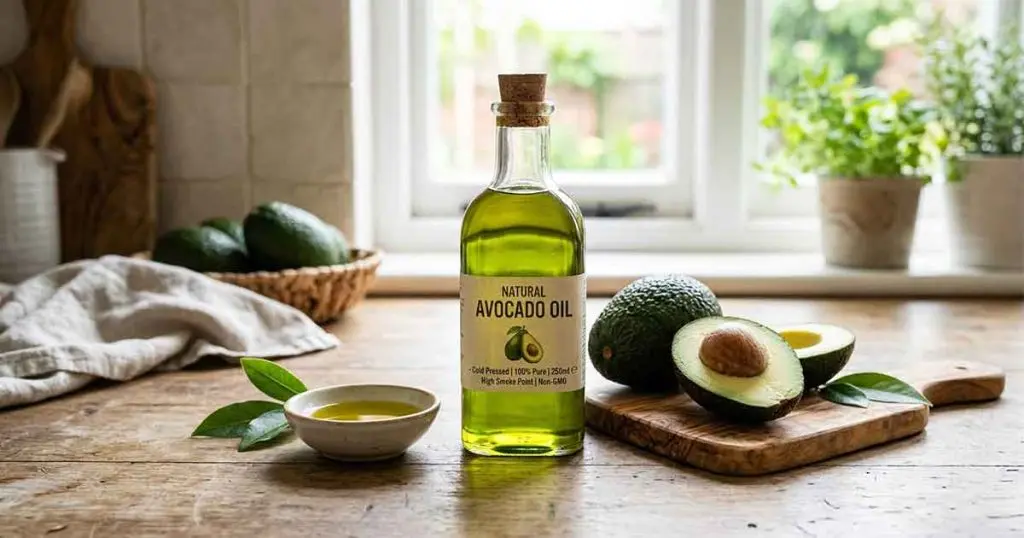
If you’ve been buying chips, mayonnaise, or salad dressing made with avocado oil because you’re trying to avoid seed oils, there’s a new reason to look more closely at the label. A 2026 study from researchers at the University of California, Davis found that 48 of 54 packaged foods labeled as containing avocado oil showed…
Read MoreA Non-Toxic Bathroom Makeover: Simple Swaps for a Cleaner Space

The bathroom is easy to overlook when creating a lower-toxin home. Products seem ordinary, the room is small, and nothing feels urgent. But bathrooms are warm, humid, and enclosed, and many of the products inside come into contact with your skin or the air you breathe every day. You don’t need a renovation or a…
Read MoreFour Bathroom Products at Target I Would Skip as an Environmental Scientist

The bathroom is where convenience quietly takes over. We reach for whatever is familiar, whatever is on sale, or whatever has the most recognizable packaging, without necessarily thinking about what’s actually in the products we use on our skin, in our mouths, or around our bodies every day. That doesn’t mean every conventional bathroom product…
Read MoreThe Clothing Materials I Avoid for a Lower-Toxin Wardrobe

Most people think about food when they hear “toxic exposure.” Pesticides, additives, cookware, cleaning products, and drinking water. Clothing rarely makes the list, even though we spend most of our lives surrounded by it. The average person wears clothing for hours at a time, often with fabric pressed directly against the skin. We sleep in…
Read MoreCostco Laundry Products Worth Skipping (And What to Use Instead)
Laundry products deserve particular attention because what you use to wash your clothes can leave residues on fabric, contribute fragrances and chemical compounds to indoor air, and affect what you and your household are exposed to throughout the day. None of this requires replacing everything in your laundry room immediately. A more practical approach is…
Read MoreBPA-Free Doesn’t Mean Chemical-Free: What’s on Your Receipt?

That little receipt you grab after buying groceries, filling up your car, or picking up coffee probably isn’t something you think twice about. You take it, put it in your wallet, or throw it away. Here’s something worth knowing: some thermal paper receipts contain bisphenol chemicals that can transfer directly to your skin. And if…
Read MoreHow to Pack a Cleaner School Lunch: Non-Toxic Swaps That Actually Make a Difference
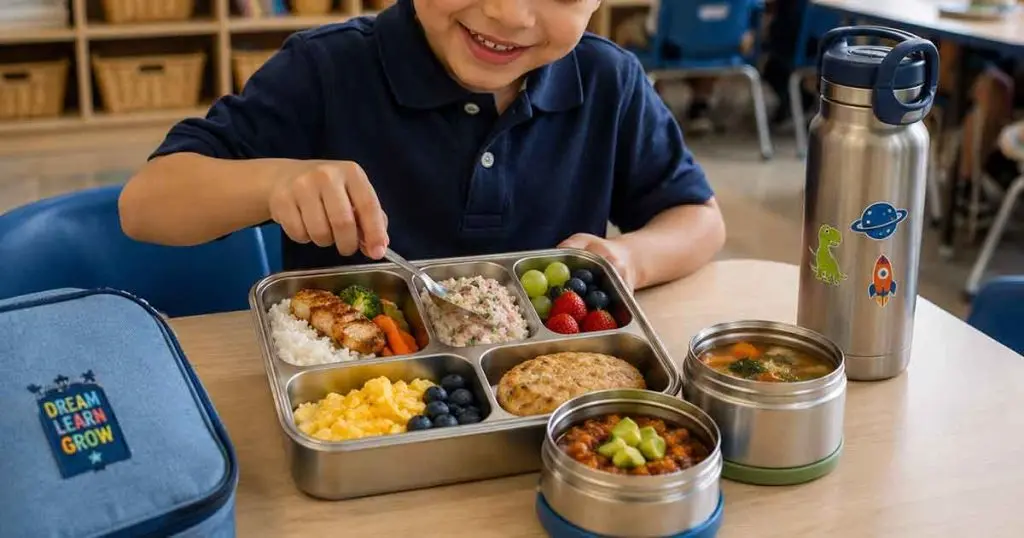
Packing a school lunch seems simple: food in a container, drink, snack, done. But when you start looking at what that food actually touches for several hours a day, five days a week, the lunchbox becomes one of the easiest places to make meaningful, non-toxic swaps. A few durable, reusable changes can replace the plastic-heavy…
Read MoreBest Healthy Costco Finds: 3 Non-Toxic Foods Worth Buying
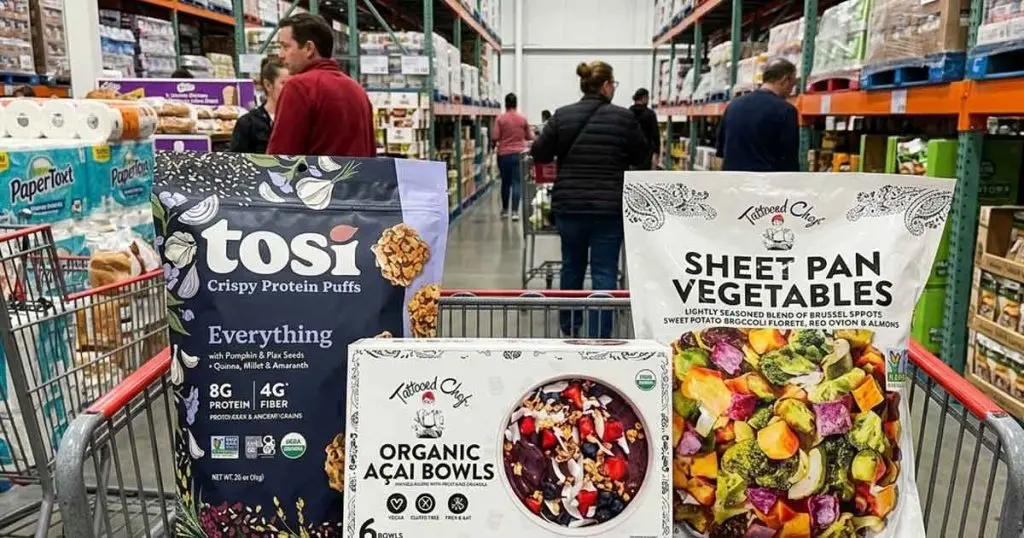
Looking for healthy Costco finds with clean ingredients? You’re not alone. Every month, Costco introduces dozens of new snacks, frozen meals, and convenience foods claiming to be healthier, higher in protein, or made with better ingredients. The problem is that “new” doesn’t necessarily mean healthy. As an Environmental Scientist, I read every ingredient label before…
Read MoreWhy We Switched to Copper Water (And What the Science Actually Says)

For years, our kitchen routine was simple. Filtered water in stainless steel bottles and stainless steel cookware; we considered them among the safest material choices for everyday use. I still do. So when my wife decided she wanted to start storing drinking water in a copper vessel, I was skeptical. Why switch from something that’s…
Read MoreThe Biggest Microplastic Sources Hiding in Your Kitchen (Ranked)
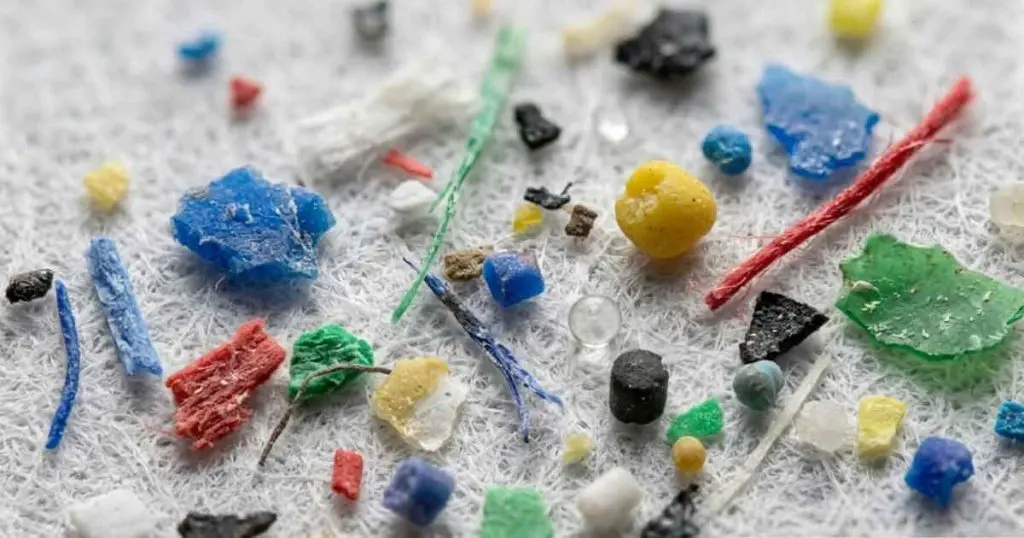
Most people think about microplastics in the context of bottled water or plastic straws. But some of the highest daily exposure may come from tools you use multiple times a day: the cutting board, the blender, the kettle. Thanks to recent research, we also know that many earlier studies underestimated the problem by measuring only…
Read More